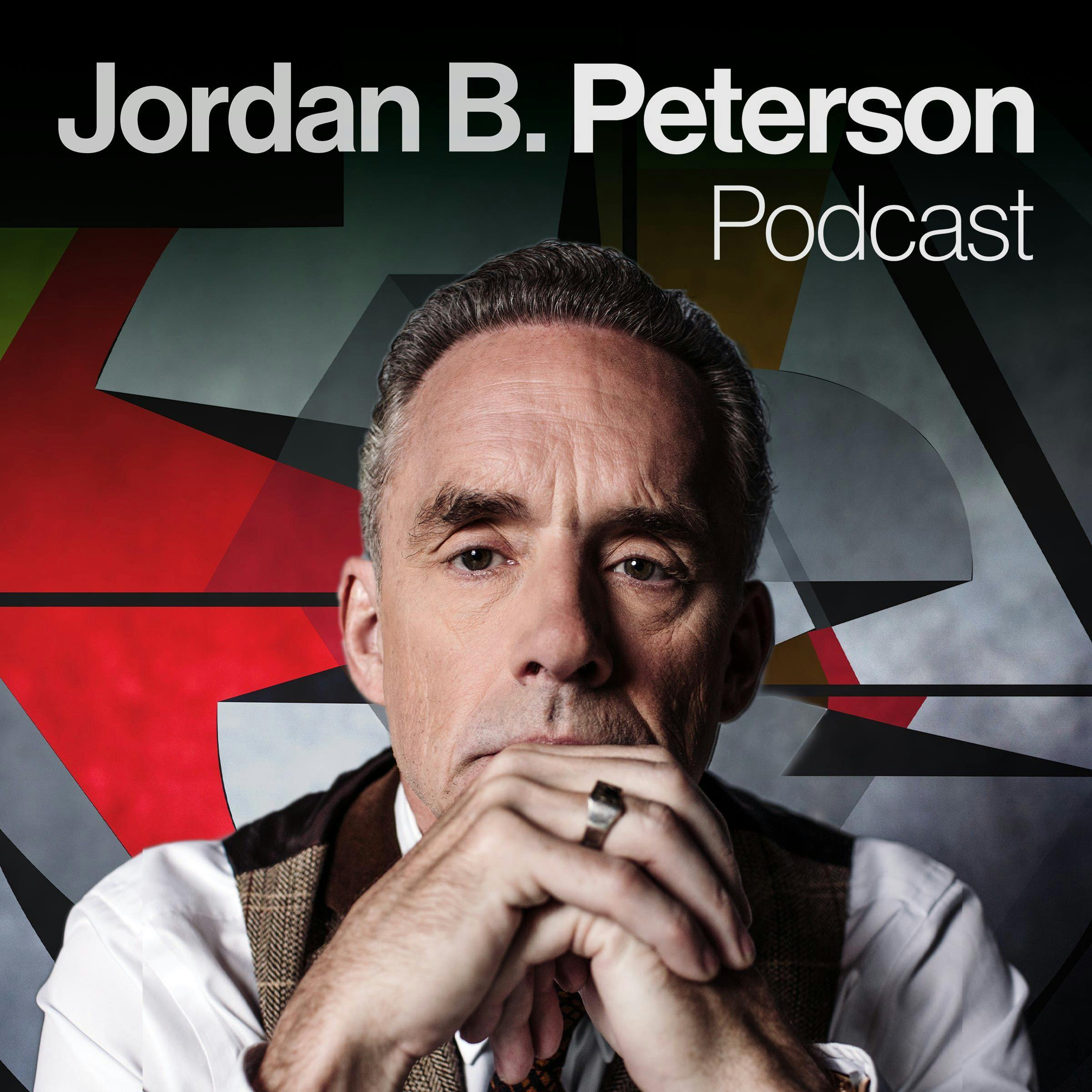
The Jordan B. Peterson Podcast occupies the space between advice line, lecture hall, and cultural argument. It is rarely content to answer only the question asked. A caller’s concern about schooling becomes a wider case about what education is for, why literature matters, and how children might be prepared for ideological pressure. A question about a father’s role with an infant becomes a discussion of work, exhaustion, practical care, play, and the negotiation required inside a young family. The show is direct. It can be severe. It often treats responsibility as the first serious category, and then tests every answer against that standard. Recent Answer the Call episodes use live questions as the organizing device, with Michaela Fuller joining the conversation as her dad gives most of the extended responses. The format gives the show an intimate surface. Underneath, it behaves like a moral seminar, repeatedly widening from household conflict to conscience, resentment, suffering, pride, prayer, and the stories that hold a person together. Grief receives the same treatment. In an episode on stress and tragedy, the advice turns toward time, gratitude, catastrophic loss, and the obligation not to collapse under pain. Family conflict is handled with similar pressure, especially around resentment, guilt, children’s responsibility, and the difference between blaming a person and analyzing a situation. The show also returns to children’s literature as serious symbolic material. Hansel and Gretel, Snow White, Pinocchio, The Lion King, and There’s No Such Thing as a Dragon are treated less as entertainment than as compact moral dramas about scarcity, fear, pride, development, and parental failure. Political episodes add another register. The conversation with Christine Anderson frames Germany, the EU, the WEF, sovereignty, and democratic decline in stark terms, with controversy treated as part of the subject rather than an incidental risk. The pacing is measured, but the arguments accumulate. Points are often restated from several angles until the shape of the claim is unmistakable. The show suits people who want advice connected to first principles, not merely tips. Its appeal is the insistence that private life, public institutions, and old stories are not separate subjects. They are different entrances into the same question: what kind of order makes a life bearable, responsible, and true.