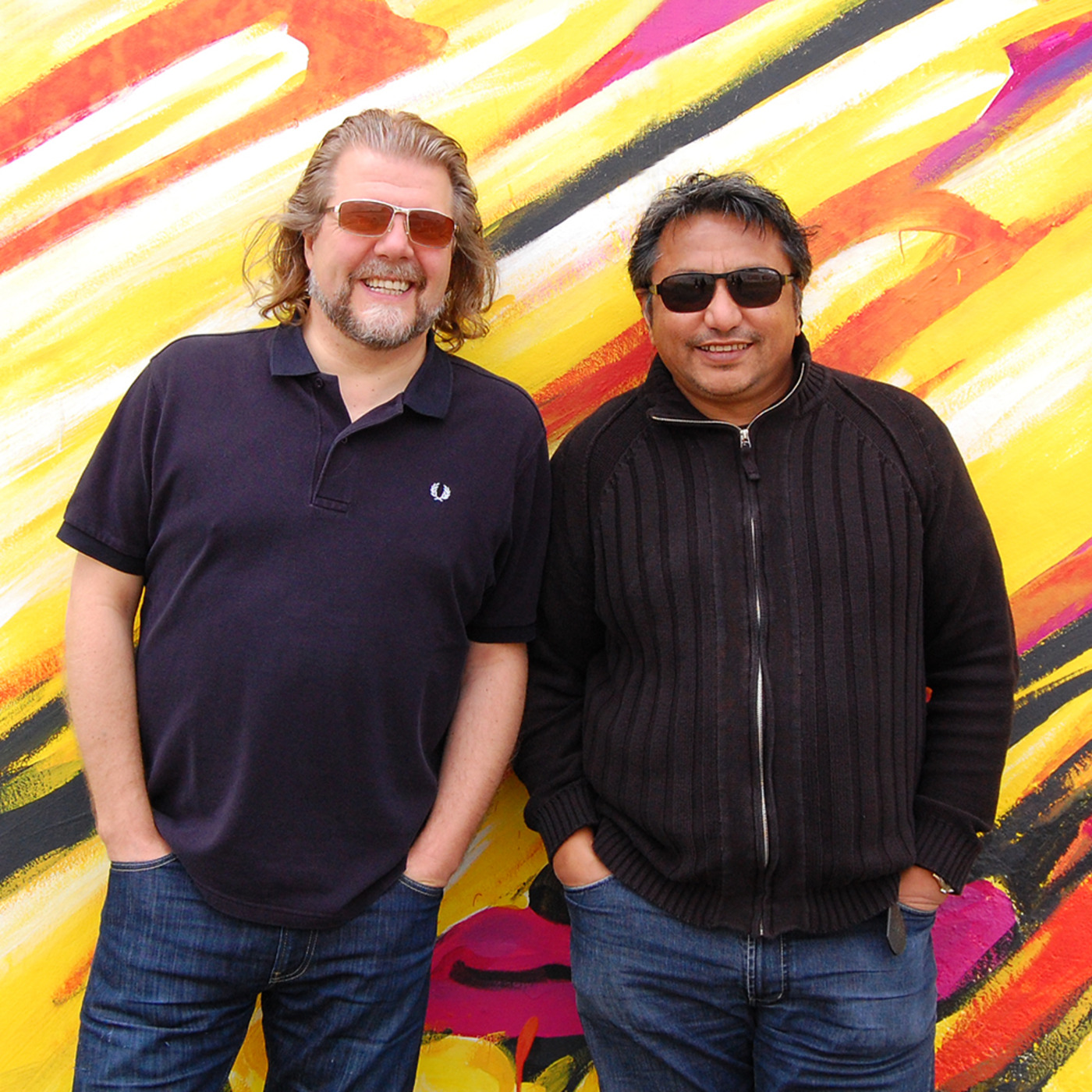
The Jake Feinberg Show is a long-running music interview series with the texture of oral history and the velocity of a live room conversation. It does not approach musicians as promotional guests passing through a clean segment. It treats them as carriers of scenes, families, bandstands, road stories, and hard-won ways of hearing. The show’s center of gravity is jazz history and musician-to-musician memory, but the conversations spill naturally into R&B, funk, blues, country, rock, folk lineage, and instrumental improvisation. Names matter here. So do places. Music scenes, school districts, dances, studios, bars, and road routes all become part of the musical map. A typical exchange might begin with leadership on the bandstand, then move into depression, family loss, spiritual presence, and the pressure to keep creating without pretending everything is fine. Another might start with the ride cymbal and end up inside questions of sound, touch, blues feel, and how jazz keeps informing other music even when nobody calls it jazz. The series likes musicians who have lineage but still have to earn their own voice. It is drawn to people who play live, teach, arrange, tour, raise families, remember elders, and keep looking for an honest sound. The interviewer pushes quickly, sometimes intensely, after names, influences, side players, scenes, and the difference between imitation and individuality. That impatience gives the show its shape. It can feel messy. It can also feel unusually alive. The strongest moments arrive when technical music talk and life talk become the same subject: how to listen, how to survive, how to honor the people who came before, and how to keep moving without sanding off the truth. For listeners who want tidy career summaries, it may feel sprawling. For listeners who care about the cracks between records, the under-documented players, and the human weather behind the music, it offers a dense, affectionate archive.