Second-order thinking shows how quick fixes can create harder problems later.
Phil McKinney frames the episode around second-order thinking with a clear, practical point: a fix that solves the first problem can quietly create a harder one.
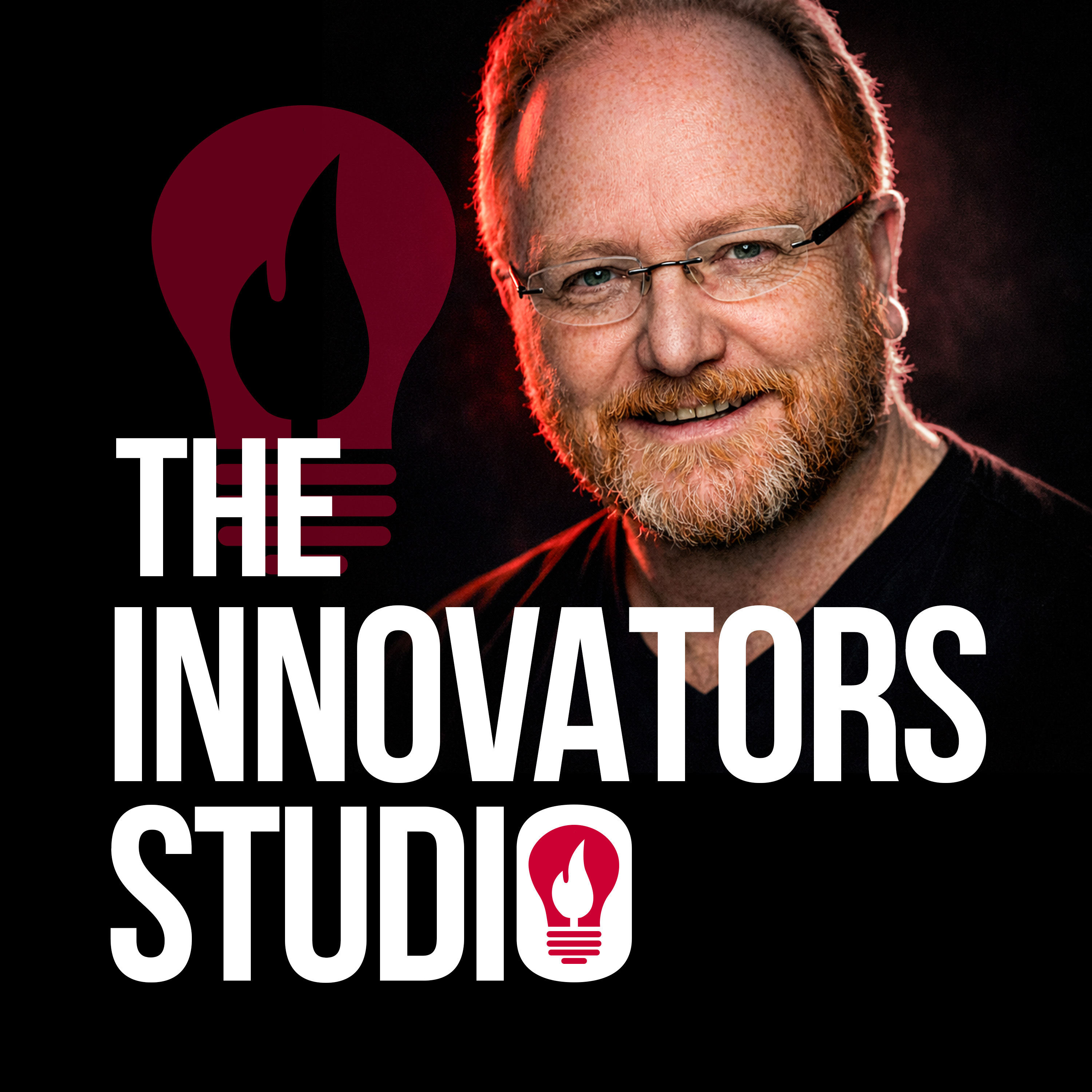
500 episodes listed below
Innovation decisions, stripped to the evidence.
The Innovators Studio with Phil McKinney treats innovation as a discipline of choices, incentives, and evidence. Recent episodes move from HP R&D battles and misleading Wall Street benchmarks to practical systems for clearer thinking under pressure.
PRESS PLAY
The Innovators Studio with Phil McKinney is a business decision show about the real mechanics of innovation inside organizations. It does not treat innovation as a mood, a brainstorm, or a slide-deck virtue. It treats it as a chain of decisions that can create future advantage or quietly burn money. Recent episodes focus heavily on R&D measurement, especially the weakness of using R&D as a percentage of revenue as a proxy for whether innovation spending works. The HP material gives the show its texture. Phil McKinney recounts pressure around Mark Hurd, Acer comparisons, Building 25 on Page Mill in Palo Alto, and the difficulty of arguing against a familiar metric when better evidence is not yet on the table. The show keeps returning to a core problem: the numbers that boards, CEOs, analysts, and shareholders expect may not be the numbers that reveal the truth. That makes the episodes feel practical rather than academic. They are case files with operating consequences. One thread follows the search through HP financial records, division by division and project by project, for a better way to understand innovation investment. Another looks at how confidential government R&D data could answer questions that public reporting leaves blurry. The decision-skills episodes widen the lens. They cover second-order consequences, incentive misalignment, stakeholder responses, daily journaling, high-resolution thinking, and one-page systems for protecting judgment under pressure. The examples are built for operators: rushed hiring, surge pricing, AI assistance that weakens unaided skill, and innovation initiatives that collapse when leaders lack their own framework. The style is plainspoken, assertive, and structured. Short claims lead into longer explanations, then into frameworks listeners can apply. It is not a casual founder chat or a trend roundup. It is a show for people who want to recognize decision landmines before they step on them.
Made for: Built for executives, product leaders, innovation teams, board-facing operators, and founders who make resource decisions under pressure. It also fits business listeners who want sharper thinking about metrics, incentives, and long-term consequences.
What sets it apart: The show combines firsthand HP decision stories with practical systems for evaluating innovation choices. Its edge is the insistence that popular metrics can be dangerously incomplete unless leaders know what signal they are actually measuring.
Forty years of billion-dollar innovation decisions. The real stories, the hard calls, and the patterns that repeat across every organization that's ever tried to build something new. Phil McKinney shares what those decisions actually look like.Phil was HP's CTO when Fast Company named it one of the most innovative companies in the world three years running. He co-founded a company and took it public. Now he runs CableLabs, the R&D engine behind the global broadband industry.This isn't theory. It's what happened. And what you can see coming if you know what to look for.Running since 2005, originally as The Killer Innovations Show, now The Innovators Studio. Tens of millions of downloads. Full…
Short reviews from the PlayNext desk, based on the episodes we processed.
Second-order thinking shows how quick fixes can create harder problems later.
Phil McKinney frames the episode around second-order thinking with a clear, practical point: a fix that solves the first problem can quietly create a harder one.
A practical lateral-thinking toolkit for anyone who wants better answers without brute force.
Phil McKinney treats lateral thinking as a method, not a mood. The episode starts with a software engineer pulling the word beehive from a dictionary and, within hours, building an algorithm that saved his company millions.

Business leaders, market lessons, real operating stories.
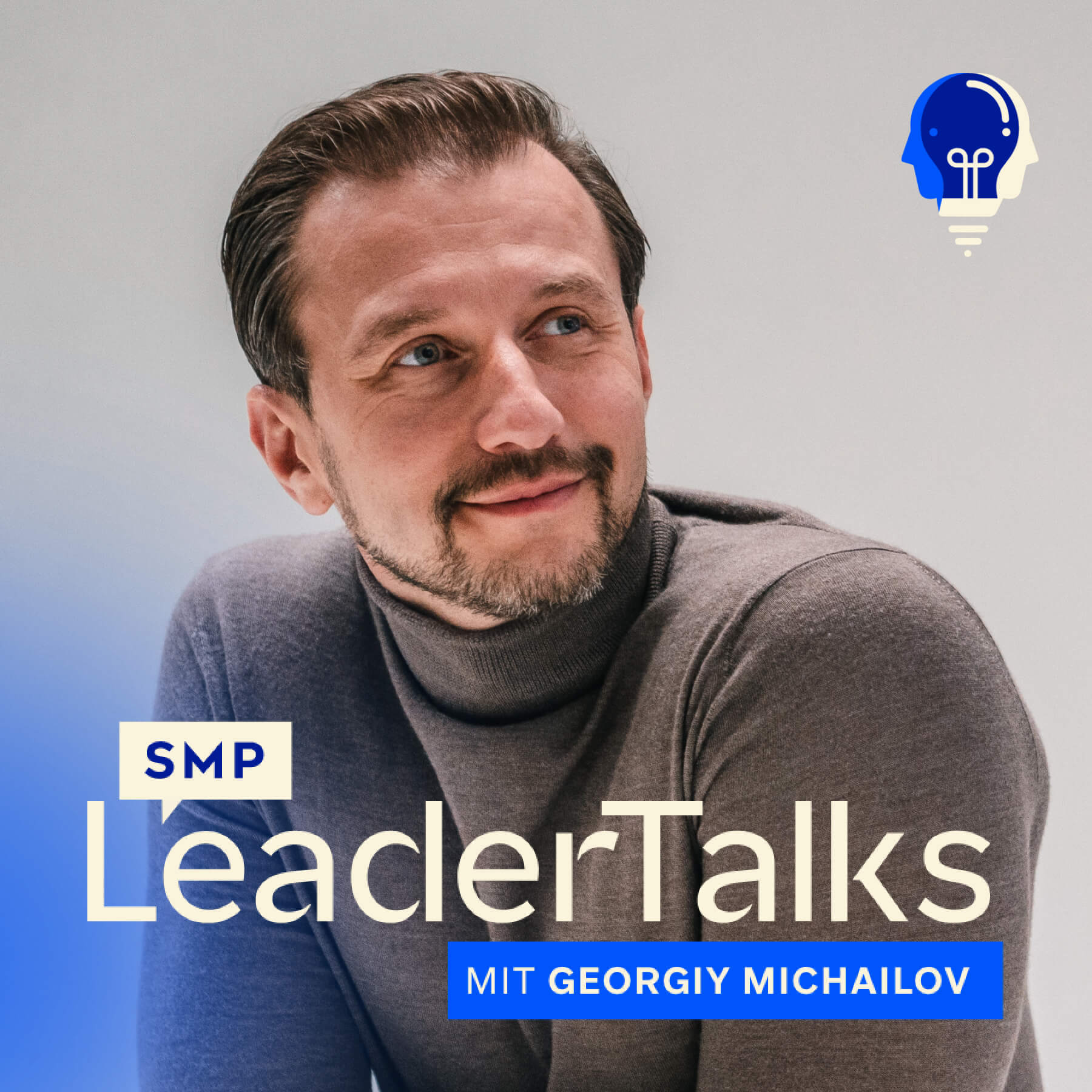
Leadership thinking under real pressure.

Calmer leadership, clearer teams, stronger trust.


This episode explores second-order thinking, using examples like AI in healthcare and business decisions to illustrate how solving immediate problems can create more damaging unintended consequences.
Phil McKinney presents a four-level framework for mastering lateral thinking skills.
This episode explores why highly talented employees might inadvertently sabotage business decisions through psychological traps, using a real-world HP case study to illustrate the problem and offering practical techniques to uncover the truth and prevent costly mistakes.
Phil McKinney explores second-order thinking, the skill of anticipating unintended consequences beyond immediate solutions.
This episode reveals how public companies' R&D spending numbers are misleading due to outdated accounting standards, explores a hidden federal database with accurate data, and shares insights from the host's experience at HP to estimate true R&D investment.
This episode explores the alternative innovation metric used by Bill Hewlett and Dave Packard at HP, contrasting it with the standard R&D-as-percentage-of-revenue measure that dominates the tech industry.
This episode explores a critical R&D decision mistake made by HP CEO Mark Hurd in 2005, using it as a case study to teach patterns in innovation investment that can determine organizational success or failure.
This episode teaches how to build systems to protect your thinking under pressure, using four concrete strategies and a one-page system, with insights from the Ulysses story.
This episode teaches how to build systems to protect your thinking under pressure, using four concrete strategies and a one-page system, with insights from the Ulysses story.
This episode discusses how daily journaling can help innovation leaders develop their own thinking skills instead of relying on external frameworks.
Phil McKinney shares a systematic framework called high-resolution thinking to help listeners train themselves to spot opportunities others miss, based on his personal experience that generated billions for HP.
Phil McKinney shares a systematic framework called high-resolution thinking to help listeners train themselves to spot opportunities others miss, based on his personal experience at HP.