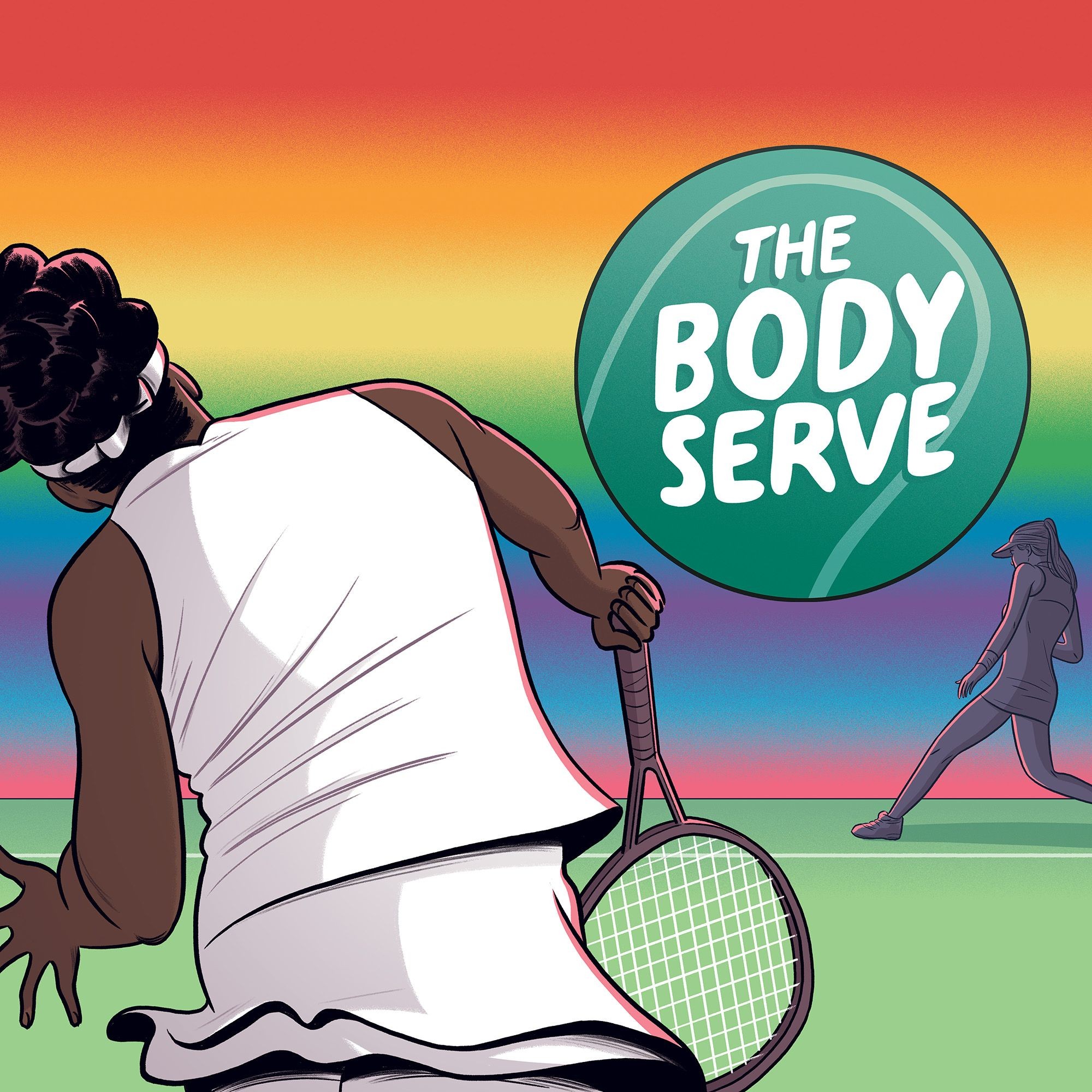
The Body Serve is a tennis show for people who follow the tours closely enough to care about the argument after the scoreline. It is fast, conversational, and allergic to sterile recap. Episodes can open with birthday logistics, travel delays, Downton Abbey, or a stray joke about Branson, then move straight into Monte Carlo, the US Open, Roland Garros, or the Billie Jean King Cup. The shift is part of the point. Tennis is not presented as a sealed-off box of forehands and rankings points. It is a sport full of memory, media incentives, bad online behavior, institutional naming choices, player branding, political theater, and fans keeping receipts. The show tracks the ATP and WTA together, with enough confidence to compare rivalry arcs, serve mechanics, clay-court questions, team competitions, and slam pressure without smoothing out the disagreement. Carlos and Sinner become more than a head-to-head. Coco’s summer form, coaching changes, Miu Miu campaign, and hair controversy become a way to talk about scrutiny and race. Sabalenka defending in New York sits beside a complaint about the atmosphere around the men’s final. Victoria Mboko’s Montreal title, Naomi Osaka’s seeding, and Canadian tennis history get treated as live stories rather than footnotes. Rafael Nadal’s absence from Roland Garros still carries emotional weather, but the show is willing to say tennis has already moved on. The Body Serve works because it lets banter do useful work. The jokes are not filler; they reveal taste, skepticism, loyalty, irritation, and the odd little memories that make tennis fandom feel lived-in. It can be petty, warm, sharp, and analytical in the same segment. The result is a show that respects match texture while refusing to pretend the sport exists outside culture. Fans who want polished press-box distance may find it too reactive. Fans who want tennis talk with personality, politics, and actual tour knowledge will understand the rhythm quickly.