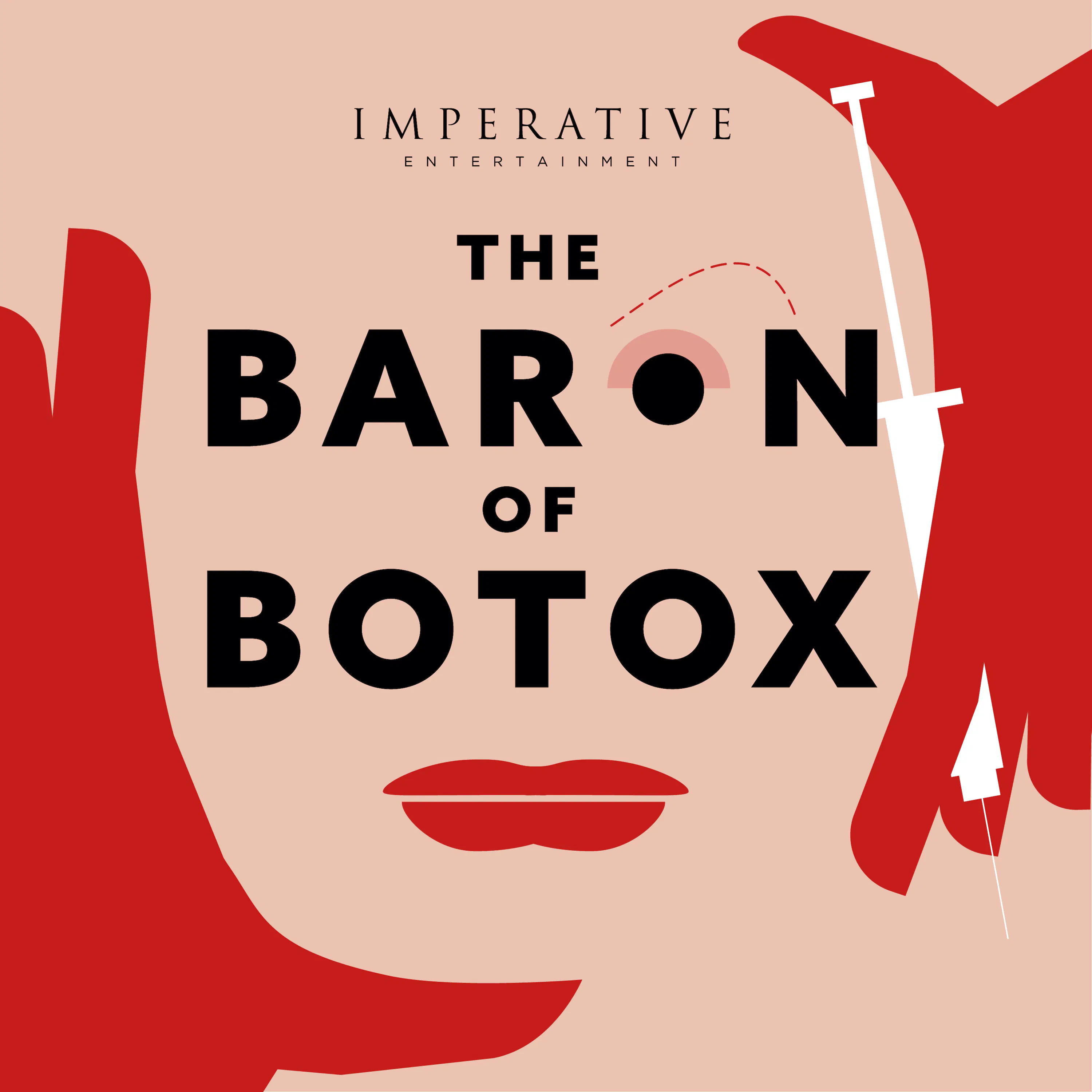
The Baron of Botox is an investigative series about Dr. Fredric Brandt, but it is also about the culture that made his work feel inevitable. It begins with faces. Not faces as identity alone, but faces as projects, investments, anxieties, and public evidence. Brandt appears through Miami, New York, dermatology rooms, fashion-world memory, magazine chatter, art collecting, yoga practice, and the strange intimacy of being known for altering other people’s appearances. The series keeps one eye on glamour and the other on loneliness. That tension gives it its force. It can linger over an oversized faux fur jacket, a New York walk, a swollen lip, a white sun hat, or a table covered in jewelry, then turn those details into an argument about status and pain. The story does not treat beauty culture as frivolous. It treats it as a system of longing, money, discipline, shame, and promise. Dr. Brandt’s death sits at the center, but the show resists a clean explanation. The public story around Unbreakable Kimmy Schmidt, Martin Short’s parody, Tina Fey’s name in the headlines, and gossip about illness or murder becomes part of the evidence, not the answer. The series is especially careful when it turns toward suicide. Kelly McBride’s appearance as a media ethicist makes that care explicit, pressing on the danger of spectacle and single-cause explanations. Jane Marie’s reflections on beauty editing widen the frame again, showing how ordinary language can teach readers to experience their bodies as unfinished assignments. Daphne Merkin’s memories place Brandt’s childhood and temperament inside a more private emotional history. The result is less a mystery than a moral portrait. It asks how a person becomes famous for control while living amid forces that cannot be controlled. It asks what public mockery does to someone already exposed. It asks why an industry built on small corrections can leave such large wounds. The pacing is deliberate, with interview voices interrupting the polish whenever certainty starts to look too easy. For listeners drawn to true crime, it offers gravity without lurid momentum. For listeners interested in beauty, celebrity, media ethics, and grief, it offers a richer and more uncomfortable map.