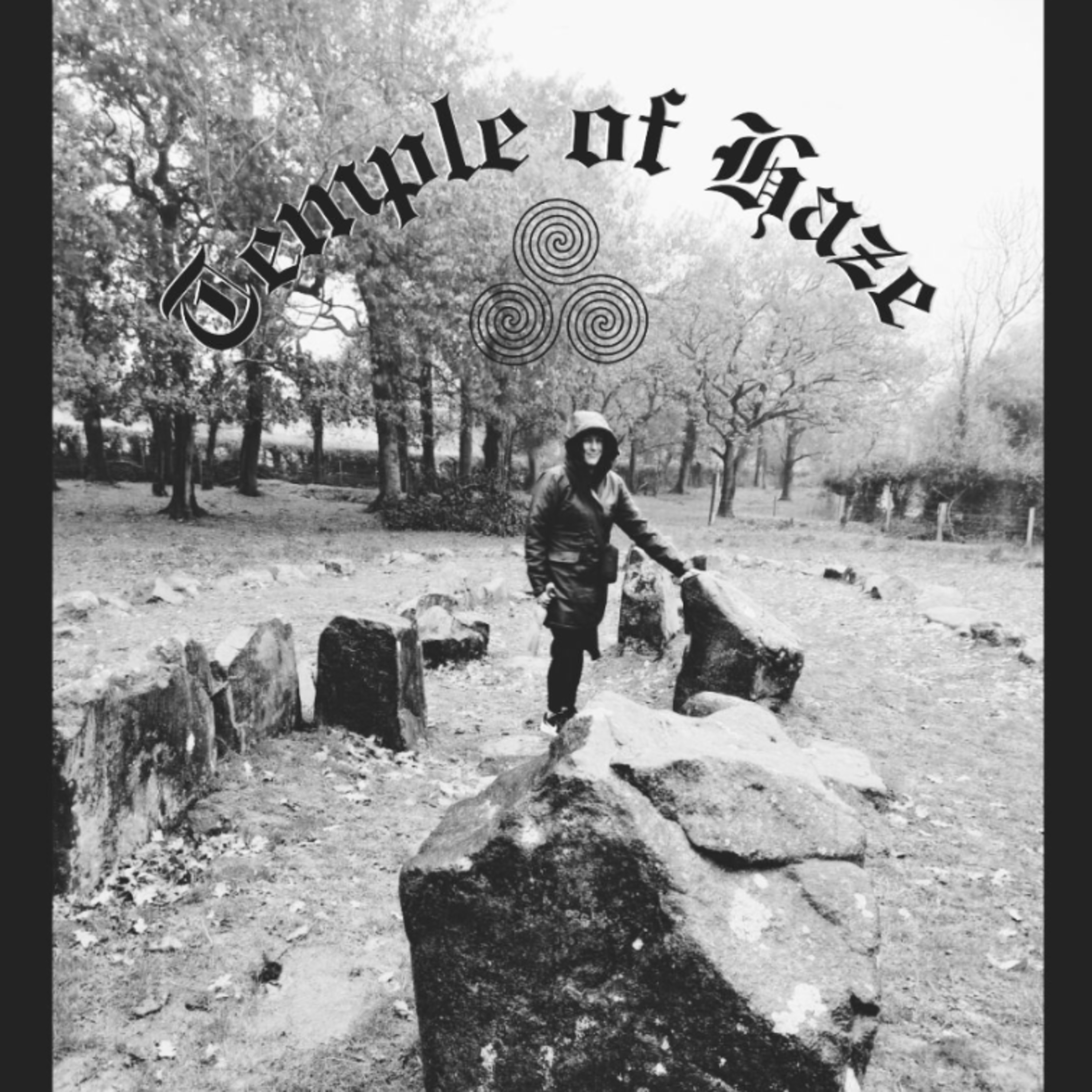
Temple of Haze runs on an image it returns to constantly: a hearth, a cup of tea, a seat kept free. Hazel, a witch, opens by greeting beautiful witches and souls, then sets out what she wants to look at. Sometimes there are notes. Sometimes there is a cheerful self-interruption to get back on track. The result is closer to a long conversation than a lecture. Episodes fall into a few clear shapes. Seasonal ones follow the Celtic Wheel of the Year, and the Ostara instalment covers the spring equinox as the second sabbat, one of eight, tied to renewal, fertility and the balance of light and dark, with a card pulled from a seasons of the witch oracle deck. Teaching episodes take a single idea and stay with it. One draws a line between ritual a person chooses and ritual imposed at an age when consent was not possible, discussing the Catholic Church directly and arguing that chosen ritual supports sovereignty and integration while imposed ritual becomes a structure of external control. Another sits with abandonment wounds, describing how they can arrive quietly rather than in a single blow, how parentification and emotionally unpredictable parenting feed them, and how nature offers a form of presence that never withdraws. Affirmations and journal prompts follow, along with an oracle message. Personal episodes are candid. An account of a driving instructor who shouted at her becomes a worked example of trusting intuition rather than settling, and Hazel does not soften her language about it. Guest episodes run under the Cauldron Conversations banner. Crystal the Cottage Witch, who has a YouTube channel and describes twenty-nine years of practising witchcraft and studying the occult, returns for a second chapter and talks about residential cases and how religious conditioning can push someone to read an ordinary spirit as demonic. Kelly Ann Maddox, described as a chaos witch, author, activist and artist, traces being identified as witchy by her mother as a child, growing up in an Irish Catholic immigrant family without being raised Catholic, and receiving tarot decks from two different women before she turned sixteen. Irish surfaces throughout, in greetings, thanks and the goodbyes that close each episode. The tone stays consistent across all of it: unhurried, plainly spoken, occasionally sweary, with a stated preference for moving at whatever pace a listener's body and mind can hold. Listeners are pointed toward one-to-one work and the YouTube version, but the episodes stand alone.