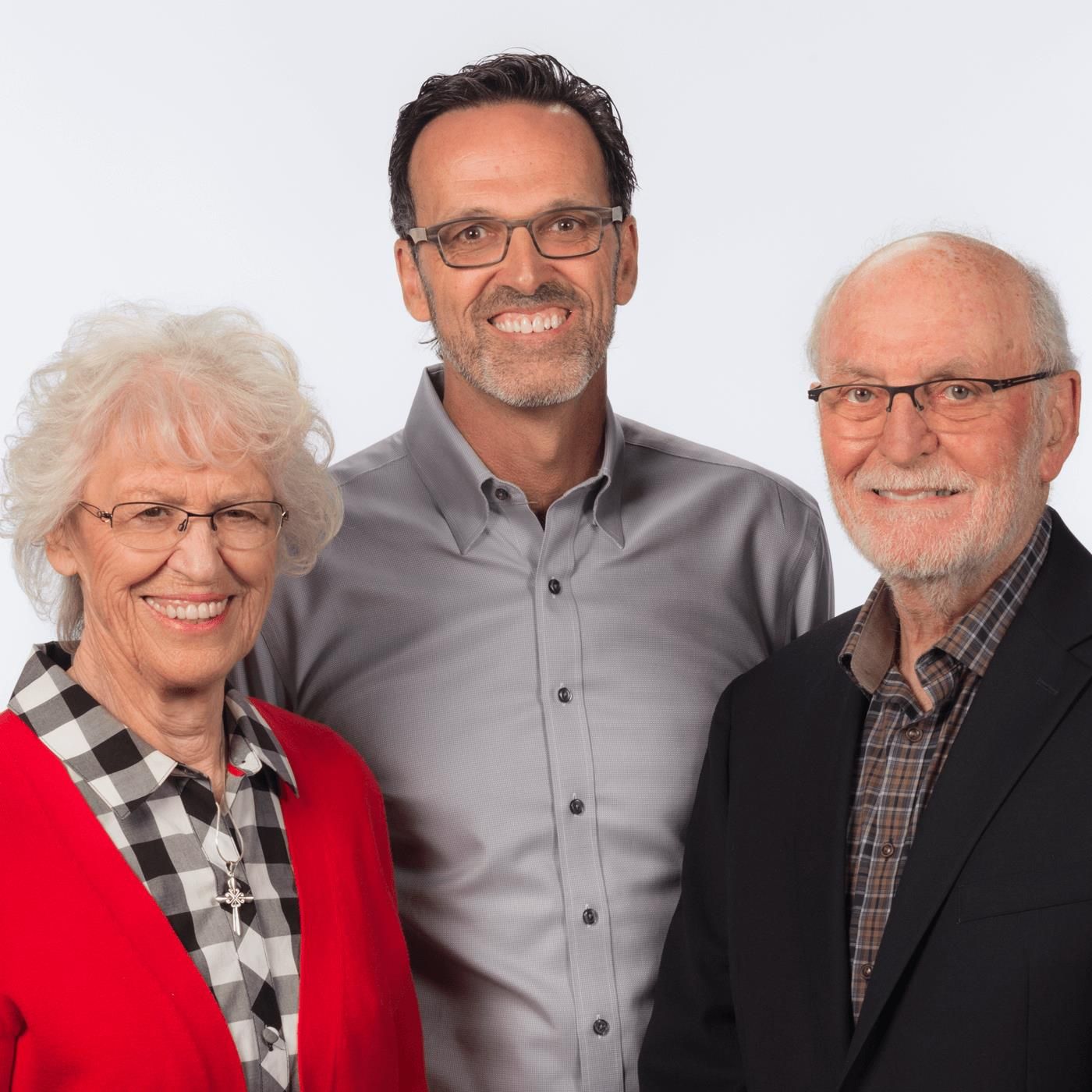
Telling the Truth is a Christian teaching program with the feel of radio pulpit instruction. It is not built around banter. The recent episodes are messages from Jill Briscoe and Stuart Briscoe, framed by ministry announcements and resource appeals. Jill Briscoe's Finding God series supplies much of the emotional center. She works through Esther, Moses, and Habakkuk to ask how faith behaves when life feels dark, dry, delayed, or stalled. The questions are plain and persistent. Where is God when he cannot be felt? What does waiting do to trust? How does a desert season become more than a detour? Her teaching often turns biblical narrative into an immediate human scene, with frightened children, desert exile, impossible circumstances, and repeated cries of how long. Stuart Briscoe's recent messages bring a firmer argumentative edge. In Knowing God Personally, he moves through 2 Corinthians with attention to trials, carelessness, humility, and the moral strain of compromise. He can be candid about passages he has avoided, old associations he has resisted, and the difficulty of applying familiar texts without flattening them. Together, the Briscoes give the show a traditional but personal shape. Scripture is the anchor. Practical faith is the destination. The program assumes a Christian audience that cares about doctrine but also wants help when belief meets fatigue, temptation, or delay. Its pacing is measured, sometimes repetitive, and intentionally oral. It gives room for Old Testament background, New Testament argument, remembered ministry settings, and illustration. The surrounding donation copy can feel more promotional than the teaching itself, but the core material remains warm, serious, and text-driven. Telling the Truth is best understood as steady Bible exposition for people who want spiritual endurance explained through Scripture rather than through trends.