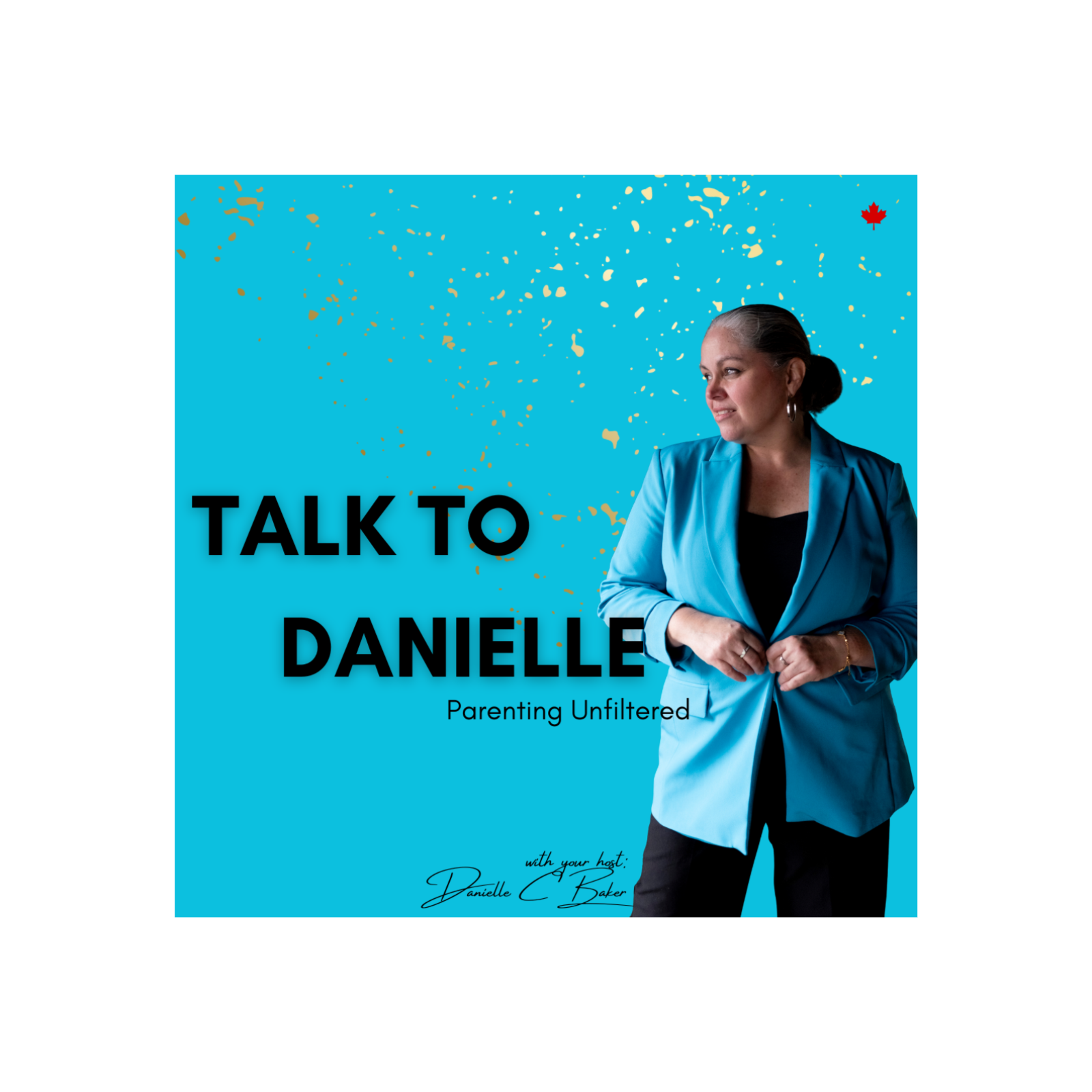
Talk To Danielle is a parenting show with its feet in real family stress. It does not treat parenting as a neat checklist. Danielle C. Baker returns again and again to the gap between what children need and what adults, schools, and families are prepared to give. That gap can be painful. The strongest episodes sit with autism parent burnout, school systems that refuse support, teachers who need better tools, and the social judgment that leaves caregivers isolated. The show can be tender, but it is not soft on avoidance. Danielle often frames the work as a call to put ego and pride aside, especially when a child’s needs are being missed. Solo episodes carry that directness. Guest episodes add texture through lived experience, coaching language, and practical reframes. Jill Wright brings ideas around time, energy, glimmers, and small pockets of attention that can change a day. Vickie Chartrand helps hold a sharper conversation about autism support and what happens when schools stop trying. Gayathri Vamsi brings the language of asking for help and changing one family at a time. Bill Amirault connects purpose and rebuilding to the questions parents are already carrying. Cameron Allen brings neuroscience, biofeedback, and family energy into the home. Denise Frenette widens the lens toward how people were parented, how they parent now, and what it means to want more. The pace is measured. The conversations often sound like people thinking together in real time, with pauses, agreement, and emotional recognition left intact. That looseness is part of the point. The show is less interested in polished answers than in making parents and educators face what is actually happening. Its best moments turn frustration into a question about support, strategy, and responsibility.