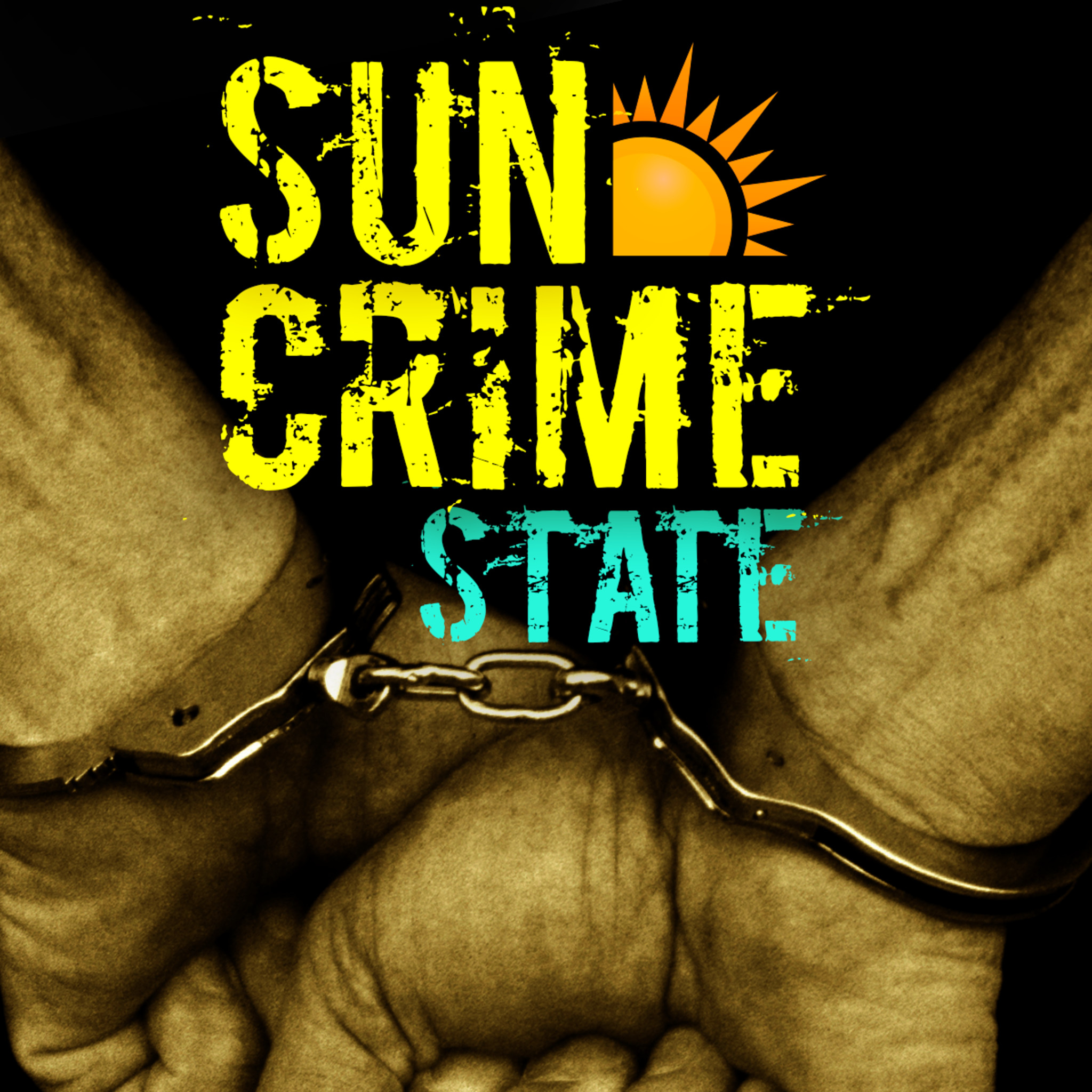
Sun Crime State Podcast follows Florida crime stories through a reporter's lens, with emphasis on cases that changed families, towns, investigations, and public memory. The show is specific by design. It names the road, the town, the victim, the agency, the suspect, the trial, and the lingering question. Recent episodes move from nationally known figures such as Aileen Wuornos and Gary Ray Bowles to regional cold cases involving Susan Perkins, Lillian Martin, Joshua Bryant, Rick Merrill, Dory Collier, Laralee Spear, and Mark Fike. Another episode tracks the George Trofimoff espionage case, showing that the show's definition of crime is not limited to murder scenes. The common thread is Florida as a place where criminal cases become civic stories. A Daytona Beach shooting alters the public meaning of spring break. A Deltona disappearance leaves detectives with answers they may never get. A Hernando County double murder is carried for decades by relatives still asking for justice. The series often brings in people who stood near the case rather than relying only on summary. Volusia County Sheriff Mike Chitwood appears in the Daytona serial killer discussion. Vicki Sachery recalls covering the Trofimoff trial. Alicia Caldwell describes the Martin and Bryant disappearance. Kelly Davidson speaks about Rick Merrill. Sergeant A.J. Pagliari discusses the Laralee Spear case. Those voices give the show a layered texture: official record, newsroom memory, investigative pressure, and private loss. The writing and narration stay direct, sometimes blunt, and usually anchored in chronology. It can be graphic in subject matter without needing theatrical language. That restraint is part of its value. Sun Crime State Podcast suits a listener who wants case-driven Florida true crime with reporting bones, not gothic atmosphere. It is especially strong for stories where the aftermath matters as much as the crime itself: arrests after years of uncertainty, executions after long trials, and cold cases where the public record still has gaps. The result is grim, local, and unusually grounded.