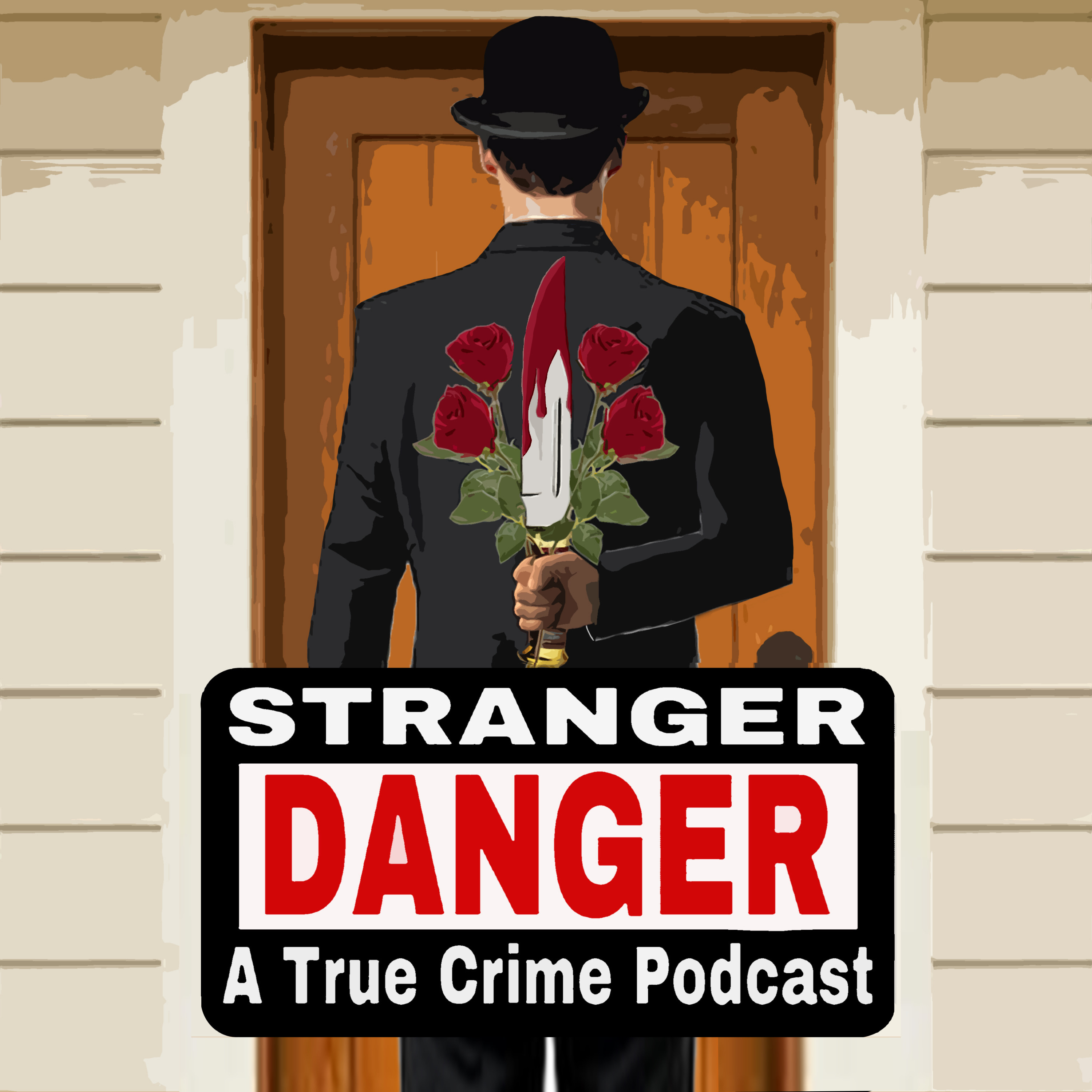
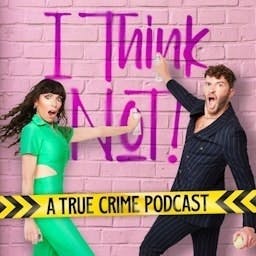
Stranger Danger is a true-crime case discussion show with a casual, reactive style. Brie and Fatina give the episodes the feeling of a private conversation that happens to turn toward crimes, interrogations, fugitives, and the awful patterns that become visible after the fact. The openings are domestic and current. They talk about toddlers, Halloween decorations, holiday food, Christmas lights, documentaries, birthdays, reunions, and the strange pull of true-crime media. Then the story changes weight. A case may begin with relationship red flags, a shattered door, a cold interrogation, a fugitive, or a name that suddenly turns an ordinary life into something much darker. The show is not clinically polished, and that is part of its shape. One voice often brings the case while the other supplies genuine shock, follow-up questions, disbelief, and the kind of uneasy humor people use when the material becomes almost too much to hold. Recent episodes move through domestic violence, murder, child abuse, assisted suicide, missing-person threads, and criminal behavior that raises uncomfortable questions about remorse and intent. The show pays attention to warning signs. It notices people seeing bruises, family members making impossible hospital decisions, people sitting too calmly near disaster, and suspects whose reactions do not match the scale of what happened. It can be blunt. It can be irreverent. It also pauses to warn listeners when a subject is especially heavy, particularly around abuse and violence. The format rewards listeners who like true crime with personality left in: tangents, recommendations, jokes, reactions, and the repeated sense that the speakers are processing the case as people rather than performing distance. There is a recurring tension between fascination and revulsion. That tension gives the show its momentum. It follows the case details, but it also keeps circling the human questions underneath them: what someone ignored, what someone survived, what someone failed to feel, and what others only understood too late. The result is conversational true crime with a sharp edge and a familiar refrain of caution. It is grim, chatty, personal, and often unsettling in the same hour.