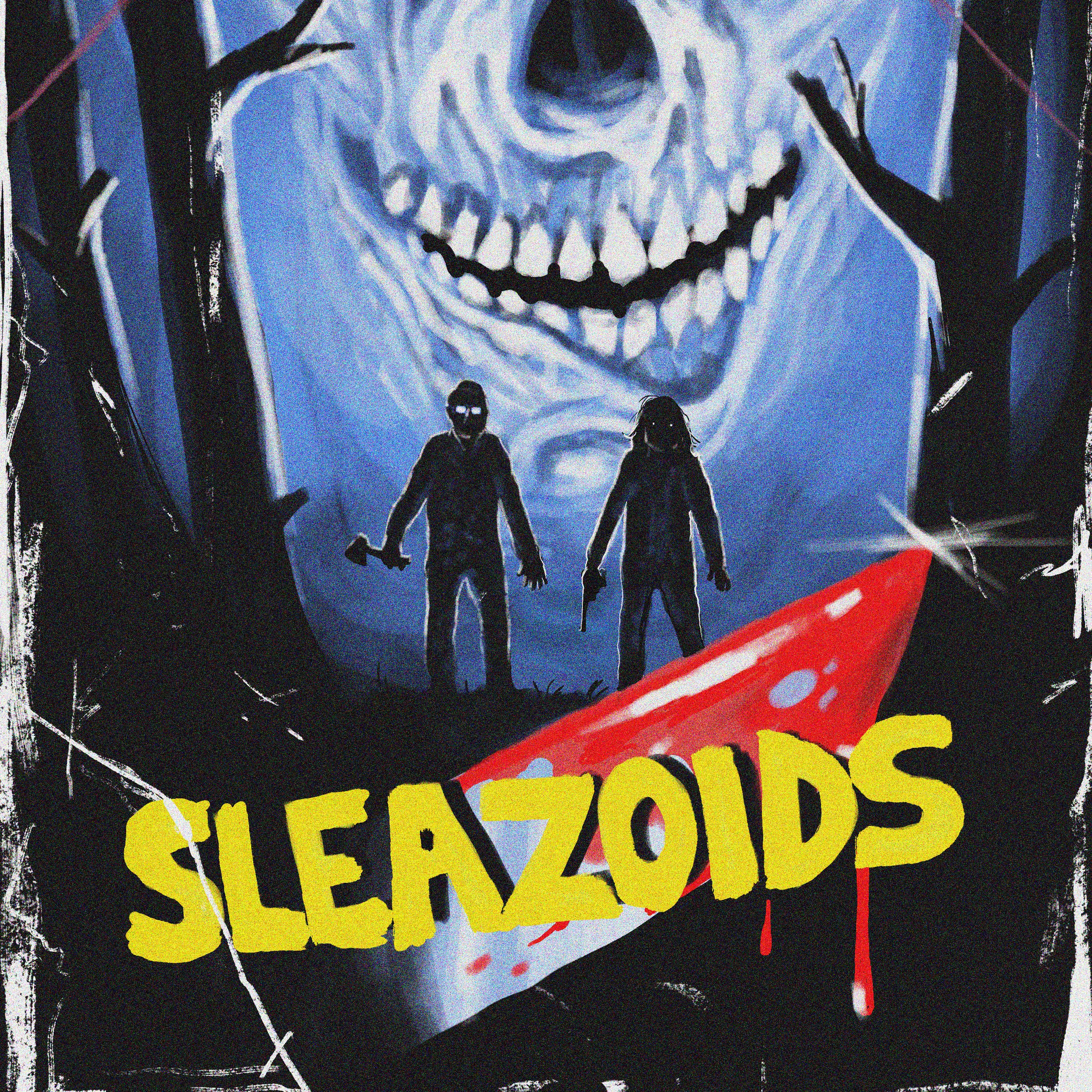
SLEAZOIDS approaches film history from the grimy side entrance. The show’s organizing pleasure is the double feature, pairing movies through shared subjects, genres, filmmakers, actors, franchises, or stranger lines of influence. Its center of gravity is 20th-century genre cinema, but the conversation is not locked in nostalgia. Monsters, gothic horror, splatter, sexploitation, anime adaptations, action blockbusters, and new-release horror all become part of the same rolling argument about taste and craft. The show can be loose. It is also frequently precise. A discussion of The Mummy turns into a close look at makeup effects, expressionist lighting, and early mobile-camera technique. A conversation about The Rock lingers on Ed Harris’s unusually emotional villain and the heavy theatrical weather of Michael Bay’s style. Please Don't Touch Me! becomes a way to talk through dated sexual politics, sympathy, autonomy, and whose pain a film chooses to prioritize. Bride of Frankenstein opens onto James Whale’s attraction to theatrical mad scientists and distorted close-ups. Even when the movies are outrageous, the analysis tends to ask what the film is doing, how it is staged, and where its perspective gets shaky. That gives the show its shape. It likes sleaze, but it does not treat sleaze as an excuse to stop thinking. The tone is conversational, fast, and sometimes irreverent, with an archive-minded habit of ratings, rankings, bonus episodes, and side transmissions. Guest episodes add extra texture, including Perry Ruhland on X: The Movie and James O'Barr's The Crow, Trevor Henderson on Anthropophagous and The Slayer, and Christian Gudegast on the Den of Thieves films. The Christian Gudegast interview shows another mode: practical talk about heist-film sound, crime-world texture, sequels, genre layering, and tough-guy filmmaking craft. Across the feed, SLEAZOIDS keeps returning to the friction between high canon and low reputation. It respects formal technique. It also respects a ridiculous premise when the movie earns it. The result is film criticism for viewers who want scholarship, enthusiasm, and blunt genre appetite in the same conversation.