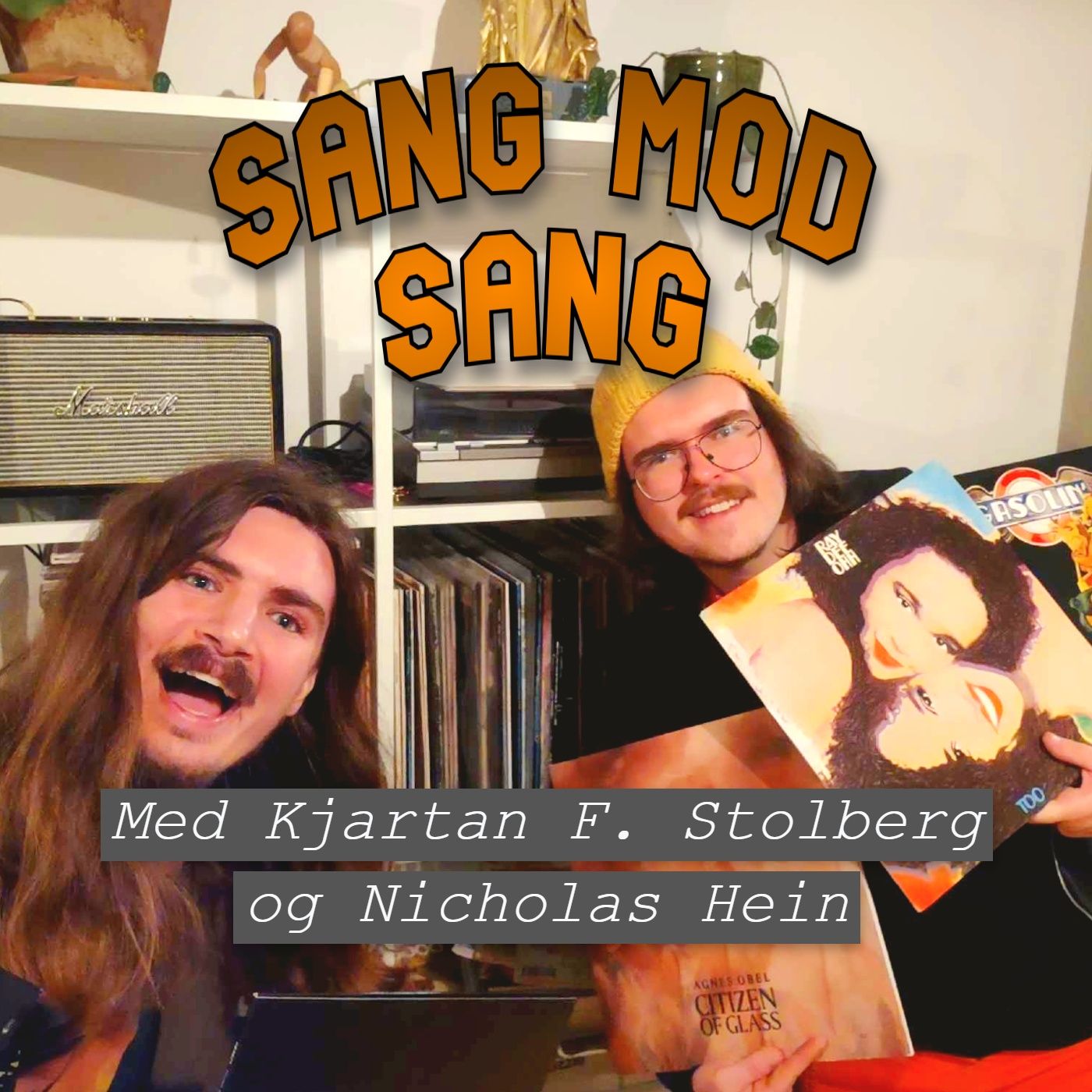
Sang mod sang is a Danish song-versus-song show where musical taste becomes a lively contest. The premise is simple: two related tracks meet, the speakers test them against each other, and the listeners eventually matter to the outcome. The path there is anything but tidy. A children’s MGP episode can turn into a discussion of public service, market logic, autotune, Walter Benjamin, and whether child-written pop has changed because the technology finally made it possible. A pair of songs called “Danmark” can open onto parliamentary-election mood, nationalism, hippie poetry, The Simpsons, The Fall, and rhythmic vocal delivery. The show likes the song as an object, but it likes the world around the song just as much. That gives the episodes their restless charm. One minute the conversation is about country rhythms and Avicii-style uplift; the next it is about Morgan Wallen, Shaboozey, bluegrass, or the uneasy Danish version of Americana. Grand Prix songs bring out questions of spectacle, memory, and what Eurovision has become over time. Children’s punk and children’s metal bring in DIY energy, AI, cooking, touring, and the idea of inspiring young people to make music. The Kato episode sharpens the format by putting an artist against himself and following the story into DJ culture, credit, visibility, and collaboration. The bonus episode loosens the bracket structure for favorite albums, songs, and concerts, but keeps the same habit of moving from strong preference to wider musical context. Sang mod sang is not polished distance. It is informed, quick-moving conversation with plenty of detours, blunt verdicts, and affectionate disagreement. The show works because the comparisons are rarely only about which song is better. They become arguments about genre, technology, politics, taste, and the strange afterlife of Danish pop moments.