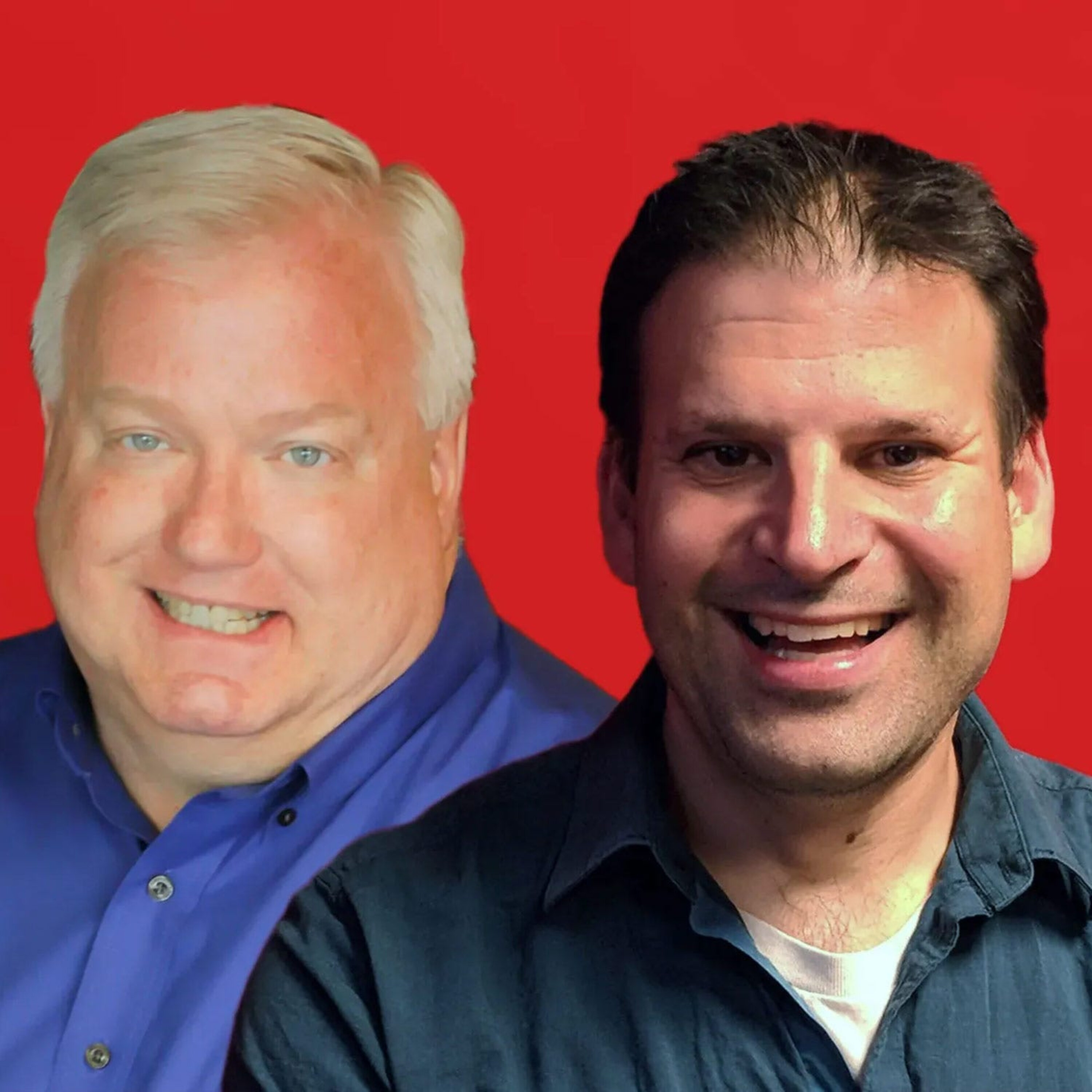
On 97.1 The Ticket, the Wojo and Rieger show is built on friction between two hosts who treat agreement as a dead end. The format is loose by design. A take gets thrown out, the other host pokes a hole in it, and the two of them chase the argument through examples, exaggerations and callbacks before landing back where they started. Silence is basically absent. The material is Michigan sports and Michigan weather and whatever else the pair can turn into a disagreement. After the Lions lost the NFC championship game, the show spent real time on whether fans could bring themselves to watch the Super Bowl at all, and whether the bye week between the conference title games and the Super Bowl exists to let heartbroken fans recover. The Jameson Williams gambling suspension became an argument about proportion and hypocrisy: six games versus one, the league's own relationship with betting operators, and how a bet on an app gets traced back to a player in the first place. When the conversation turned to Miggy late in his career, one host pushed back hard on anyone letting recent seasons overwrite the rest of his career, framing that view as short-sighted rather than honest. Michigan football supplies a running thread. The prolonged question of whether Harbaugh stays or leaves for Denver gets pulled apart from every angle, including what Santa Ono's public support was actually meant to accomplish and what a program owes its best coach since Lloyd Carr. Not all of it is sports. An episode about winter getting shorter in Michigan spirals into golf tee times in February, the fate of snowplow work, an earlier Tigers opening day, and a bit about a compressed month the hosts call Harbuary. Callers and the ticket text line are part of the mechanism rather than a segment tacked on. Listener opinions get read out, argued with and used as evidence, but the hosts keep control of the frame. Jeff Rieger also carries solo interview segments, including one with Richard Rip Hamilton talking through his NCAA tournament picks, the coaching and talent behind Gonzaga, and the memory of hitting the big shot against Washington in 1998 with Jamal Mashburn and Ray Allen highlights running in his head beforehand. The vocabulary is plain and local, heavy on rhetorical questions and quick corrections. The mood swings from dry to genuinely worked up and back inside a single answer. It is opinionated without being formal, messy without being unfollowable, and it never pretends the outcome of a Lions season is a small thing. Listeners who want polished, evenly paced sports analysis will find this too jagged. Listeners who want the argument itself will not.