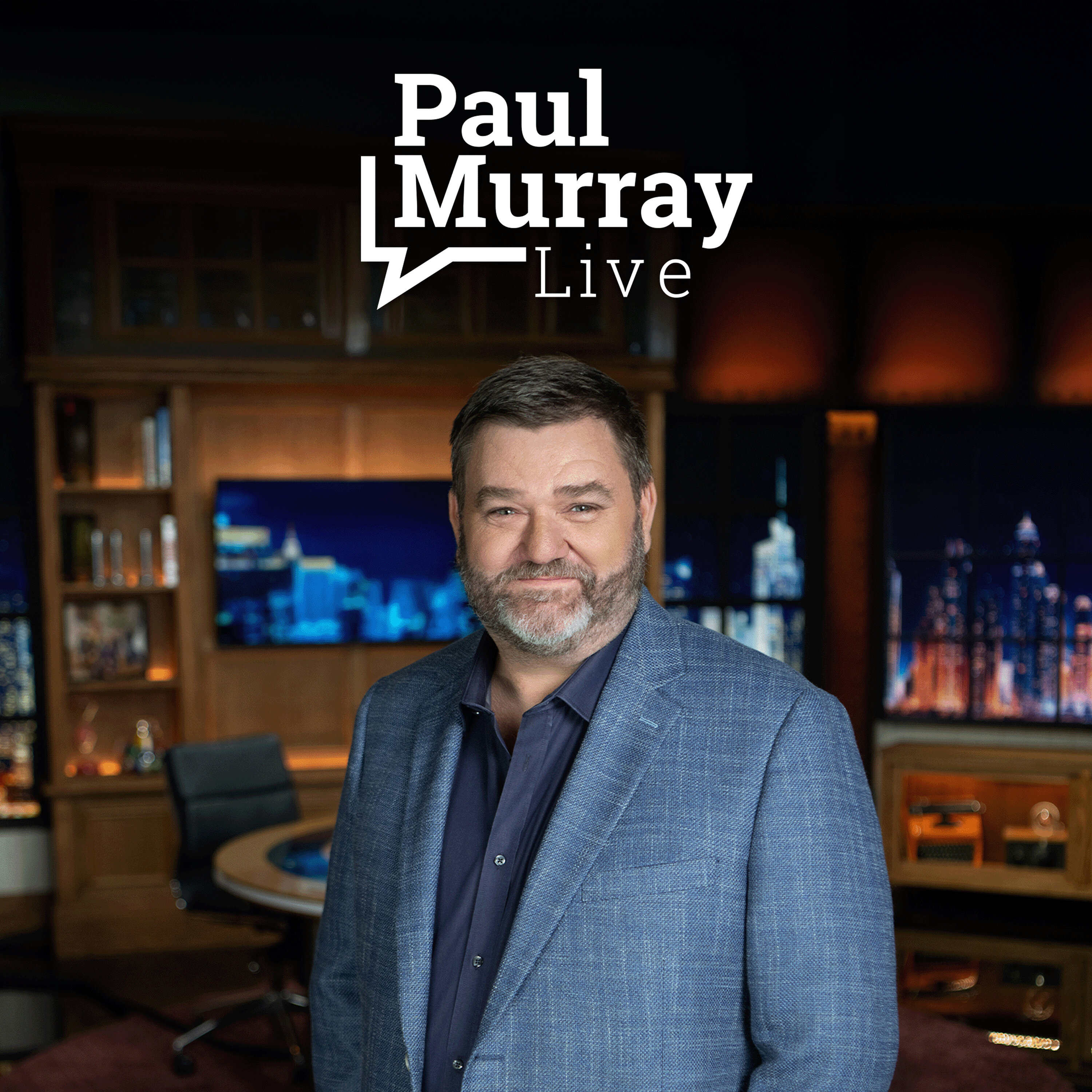
Paul Murray Live is a high-speed Australian politics program that treats the news cycle as a fight over common sense, credibility, and control. It is anchored around pointed monologue, then widened by panels, guests, clips, and live-news interruptions. The show’s recent run focuses heavily on Anthony Albanese, Labor, the Coalition, One Nation, Victorian politics, migration, housing, fuel security, taxation, and government accountability. It does not pretend to float above the argument. It picks a side, names the target, and keeps returning to the same pressure point until the case is impossible to miss. A podcast interview misstep becomes a question about prime-ministerial judgment. A poll becomes a map of political danger. A social-media video by a Labor figure becomes evidence of waste, vanity, and insulation from ordinary taxpayers. The program is often sarcastic, but the sarcasm sits beside genuinely grave material. Recent episodes move through police investigations involving a child, allegations around Victoria’s big build, anti-Semitism online, war-crimes charges, fuel shortages affecting medical flights, and pressure on families trying to buy homes. That mix gives the show its jagged rhythm. One minute it is mocking Canberra media habits or awkward political clips; the next it is pressing a government, platform, or institution over consequences that reach beyond television argument. Fill-in presenters including Danica DiGiorgio and Caleb Bond appear in its episodes, keeping the format direct and confrontational. Guests and panel figures such as Jess Wilson, Daniel Wild, Lee Hanson, Matt Canavan, Nick Rees, Mark Dolan, Garth Hamilton, Anne Webster, and Michael Shoebridge point the show toward state politics, defence, energy, protest, international affairs, and culture-war flashpoints. The result is not a balanced seminar. It is a nightly editorial program for people who prefer politics framed as accountability, hypocrisy, and momentum. Its natural audience is already plugged into Australian conservative media and wants its headlines filtered through impatience, ridicule, and forceful interpretation. The show’s recurring trick is speed: it can roll from a breaking international arrival to a royal commission argument, then back to domestic polling or a closing jab, without losing its combative line.