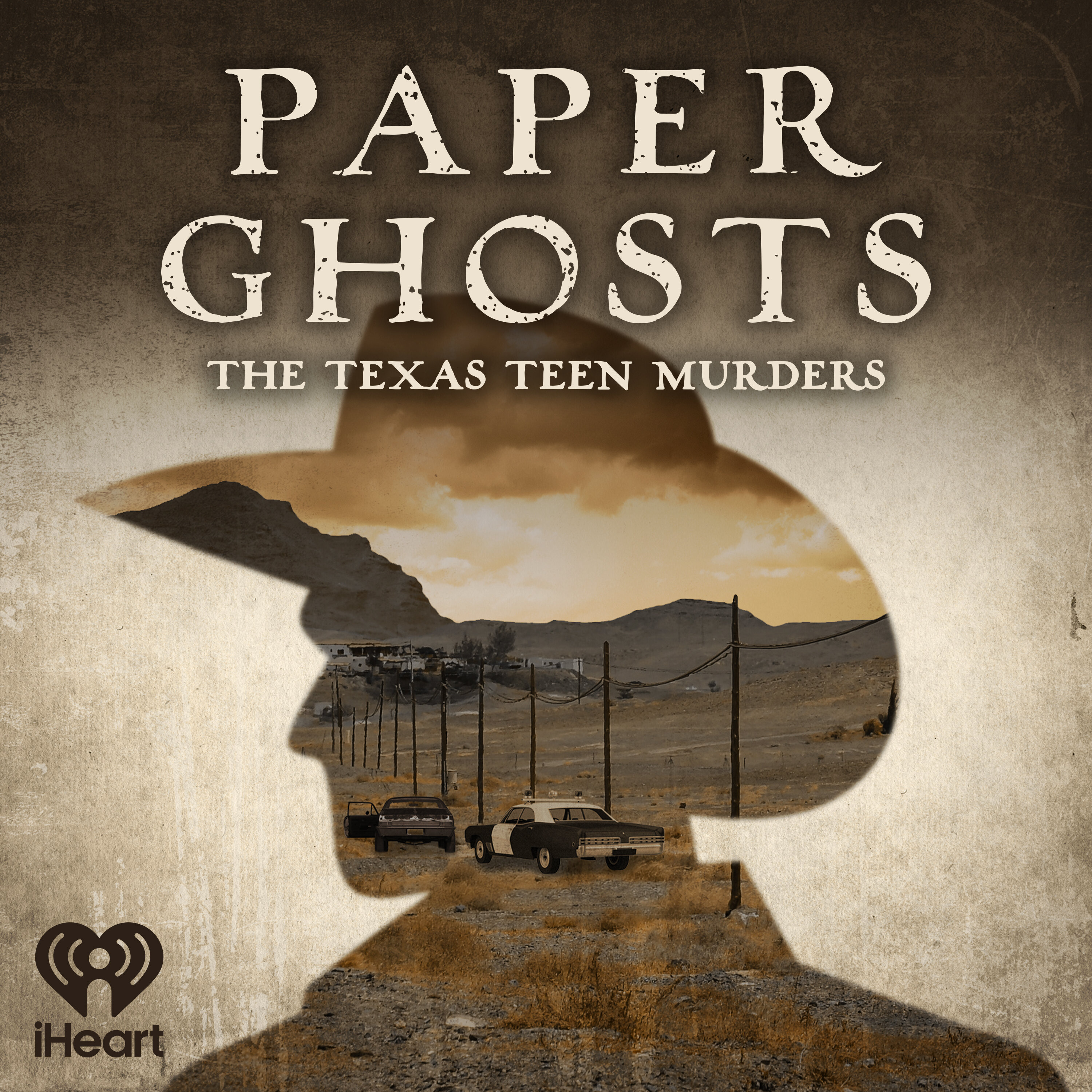
Paper Ghosts is a scripted cold-case investigation that treats an unsolved murder as a living wound. The Texas episodes center on Vincent and Shelly, two teenagers whose deaths in Weatherford left behind more than a crime scene; they left families without answers, witnesses looking over their shoulders, and a town thick with rumor. The reporting is driven by files, interviews, geography, and contradiction. It asks what happened on Tintop Road and Piss Hill, but it also asks why the official record seems so thin in places where memory is vivid. That tension gives the series its force. A witness remembers scratches. An autopsy report does not. A car is found with blood still visible. A father’s search becomes another question. Suspects surface through old drug circles, family connections, courthouse habits, and the kind of small-town power that people describe carefully, as if the past can still punish them. Paper Ghosts does not race from clue to clue. It circles back, tests one theory against another, and shows how easy it is for a case to harden around the wrong person when investigators become attached to a name. Ricky Green, Adkins, Wendy Robinson, Ronnie Cauliflower, and other threads widen the story without turning it into a neat web. Some connections hold. Others break under scrutiny. That restraint matters. The show is most compelling when it lets someone speak from grief or fear, then returns to the paperwork and asks what was missed, minimized, or never written down at all. Its moral center is not spectacle. It is the cost of procedural failure. Families endure it. Witnesses endure it too. For listeners drawn to unresolved cases, flawed investigations, and the long afterlife of violence, Paper Ghosts offers a careful, severe account of what happens when a town’s worst night is never allowed to end.