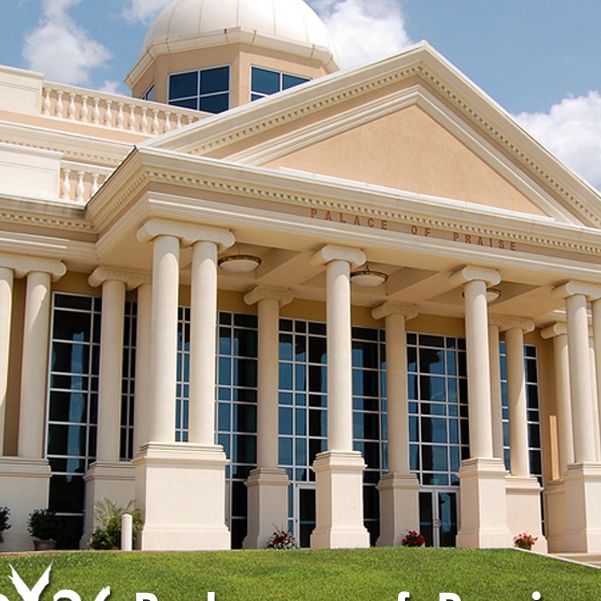
Palace of Praise Services is a church-sermon feed with a strong pulpit identity and little interest in sounding like a polished studio show. It captures the shape of worship services as they happen. Songs, greetings, Bible readings, prayers, announcements, and congregation-facing remarks all sit beside the sermon instead of being edited into a distant summary. The result is immediate. Speakers move quickly from scripture into application, often asking the room to recognize its own doubt, need, discouragement, or readiness. The preaching is rooted in Christian doctrine and urgent appeal. Psalm 37 becomes a question about desire and the Lord’s will. Matthew’s wheat and tares become a call to hear the word correctly. Palm Sunday opens into the messianic kingship of Jesus, the cross, resurrection, ascension, and redemption. Thomas’s doubt becomes a sermon about Jesus returning for the one whose faith has been shaken. The show also keeps the church in view. There are prayer requests for people going through surgery, reflections on a death in the family, mentions of videos, drama, parking-lot worship, youth ministry, old hymns, southern gospel events, and testimony work in the foyer. Those details matter because they keep the theology embodied. A sermon can turn from a broke young adult waiting on grandparents for lunch into a lesson about waiting to be fed. Another can move from walking quietly in a father’s footsteps while hunting to following the footsteps of Jesus. The register is accessible, emotional, and repetitive in the way live preaching often is. It is not detached analysis. It is exhortation, memory, doctrine, prayer, and invitation braided together for people who already understand church language and for those being called back toward it. The show’s recurring force is its insistence that faith has to become visible in ordinary choices: testimony, prayer, worship, perseverance, and trust when discouragement sets in.