A blunt look at the quiet aftermath of leaving a narcissist.
Orchid Brown frames the episode around what comes after the narcissist is gone, and the strongest moments are the ones that linger on the disorientation that can follow.
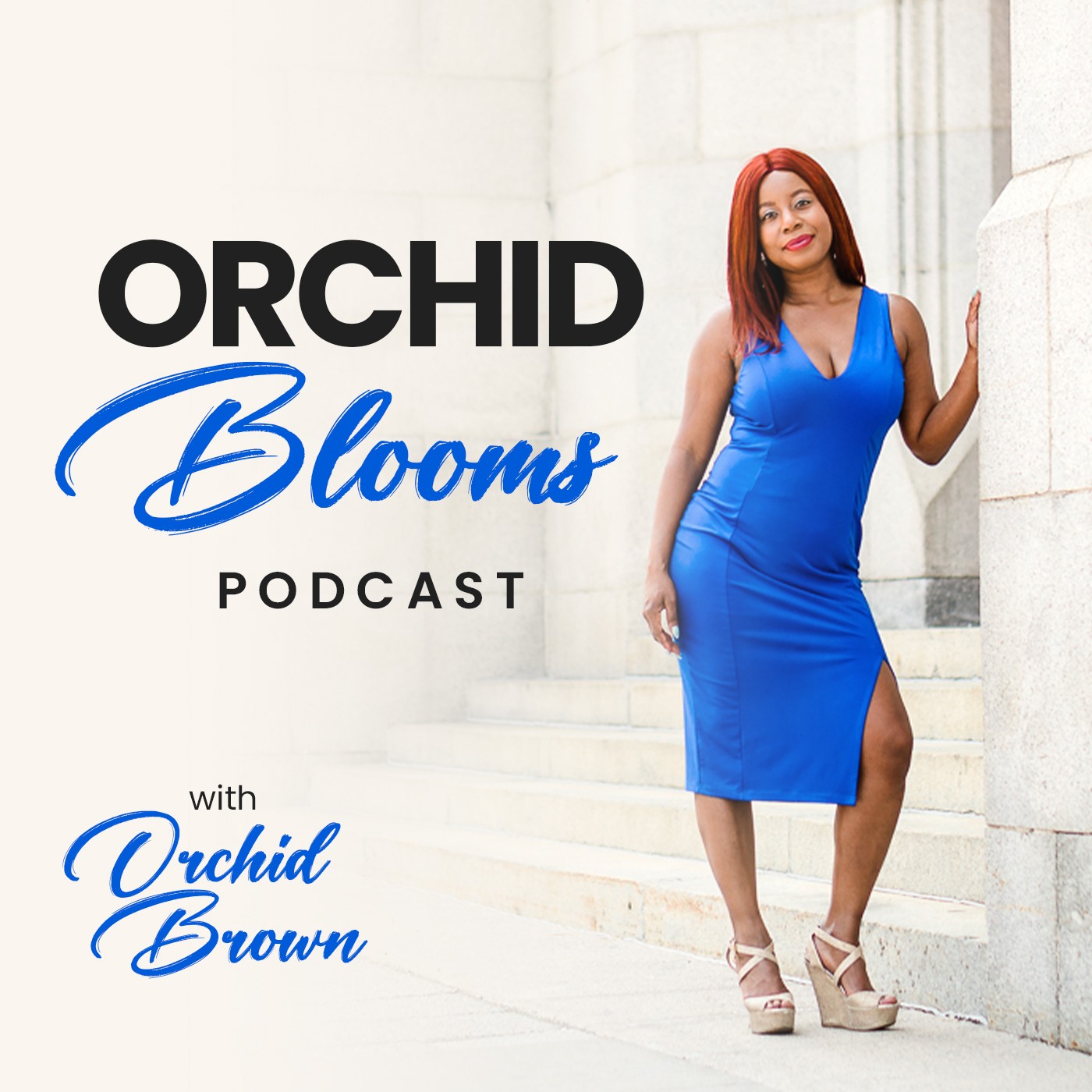
Orchid Brown
161 episodes listed below
Plainspoken clarity after emotional chaos.
Orchid Blooms Podcast turns personal experience into direct lessons about narcissistic relationships, bad choices, workplace power, and self-worth. Orchid Brown speaks in story-led reflections that move from confession to blunt takeaway.
PRESS PLAY
Orchid Blooms Podcast is a self-awareness show shaped by Orchid Brown's personal monologues. It is direct. The show returns often to narcissistic relationships, not as a vague label, but as a lived pattern of confusion, escape, discard, silence, and recovery. Episodes ask what happens after the relationship is over, when the person is gone but the emotional fog is still present. The advice is practical and blunt. Boundaries, actions, self-esteem, access, accountability, and the cost of hoping someone changes all become recurring tests of clarity. Orchid Brown also brings that same lens into the workplace. Praise without a raise becomes a story about free labor, loyalty tests, moving goalposts, and the difference between being valued and being used. Management is separated from leadership. Titles are separated from power. The show is especially interested in the way status can fool people into thinking they have authority, wisdom, or character when they may only have a position. It also makes room for cultural memory. Episodes on reggae and Rastafarian men draw from growing up in Jamaica, where music, streets, homes, roadside presence, and everyday observation are treated as part of emotional education. Black History Month and racism laundering add a sharper social register, especially around professional environments where naming harm can become difficult before the harm actually stops. The show does not hide its point of view. It repeats key ideas until they land, moves between story and lesson, and treats clarity as something listeners have to practice, not just understand. The production feels conversational. That directness is part of its identity. It is best for people who want encouragement with pressure behind it, especially around narcissistic relationships, workplace exploitation, family or friendship betrayal, and the hard decision to stop choosing what already proved costly. Orchid Blooms Podcast offers a plainspoken route back to self-respect, one pattern at a time.
Made for: For listeners drawn to direct self-awareness talk about narcissistic relationships, boundaries, workplace power, cultural memory, and rebuilding self-respect. It fits people who prefer personal storytelling over clinical wellness language.
What sets it apart: The show connects narcissistic relationships, workplace status, racism, Jamaica, reggae, Rastafarian men, and self-worth through one consistent lens: patterns reveal themselves through actions. Orchid Brown's delivery is direct, repetitive by design, and grounded in lived interpretation rather than detached advice.
Orchid Blooms Podcast focused on individual who are aiming for self-awareness, wellbeing and sustainable mental health. With shared experience and storytelling about the challenges of life. our goal is to become bloomers in our own right.
Orchid Brown turns workplace praise and bad boundaries into the pep talk your group chat cannot finish.
Press play if you want
Short reviews from the PlayNext desk, based on the episodes we processed.
A blunt look at the quiet aftermath of leaving a narcissist.
Orchid Brown frames the episode around what comes after the narcissist is gone, and the strongest moments are the ones that linger on the disorientation that can follow.
A blunt reminder that the cost often arrives after the warning signs, not before.
Orchid Brown keeps the focus on what it costs to choose the wrong person, or the wrong crowd, and she does not rush past the early signs. Her point is plain: people often give hope more credit than what is actually happening, then stay too long when something already feels off.
Praise is not pay, and the episode never lets that point drift.
Orchid Bloom's podcast opens with an outrageous story, but the point is plain enough: free labor has a way of getting dressed up as opportunity. The episode keeps circling back to the same hard truth.
A faith-forward year-end reflection on God's favor, wider vision, and the detours that shape a dream.
Orchid Brown ends the year with a faith-forward reflection that keeps God's favor grounded in daily life instead of turning it into a slogan. The episode moves through memory, spiritual reflection, and plain advice about transitions, healing, alignment, and growth, and that…
A plainspoken warning about jealousy and the company people keep.
Spirit of Jealousy is a direct, personal meditation on envy and jealousy. Brown ties the subject to memories from Jamaica and Canada, then moves through family tension and a childhood recollection to show how jealousy can shape the way people treat one another.

Jonquilyn Hill chases one listener question per episode to the experts who can answer it.
Three hosts and psychologist Dr Emily talk vulnerability, therapy, and imperfection with guests.

Fearne Cotton interviews guests like Boy George and Bryony Gordon about mental health and identity.

Dr. Joy Harden Bradford pairs therapy insight with Black TV recaps, maternal health, and history.

After escape, the connection can still make noise.
Orchid Brown lays out the cost of choosing the wrong person or people.
Orchid Brown uses an extended curbside parable to explain why "praise without the raise" leaves workers doing more labor for no salary increase or promotion.
This episode explores the misconception that job titles automatically confer power, distinguishing between title, authority, power, and status in workplace and social contexts.
This episode explores the distinction between management as a formal role and leadership as a capacity, questioning whether people pursue management positions for leadership or status.
The host shares personal experiences growing up in Jamaica, where reggae music was an integral part of daily life and cultural identity.
Host Orchid Brown shares personal observations and cultural proximity to Rastafarians in Jamaica, exploring their joy and groundedness.
Host Orchid Brown discusses racism laundering and the difficulty Black people face in naming racism in professional settings, connecting to Black History Month.
This episode continues the discussion from a previous podcast called 'Character Assassination', exploring how character assassination relates to identity assignment and gender envy without identity.
The host discusses character assassination as a strategic tool to destroy credibility through gossip and rumors.
The host discusses why she broadened her episode from Black women to all people of color in the workplace, sharing stories of shared experiences across races.
The host introduces the concept of 'soft life' and explores why it can feel uncomfortable for those who learned survival before safety.
Orchid Brown closes out 2025 talking about God's favor in real time, not the kind people only mention after the win.
Host Orchid Brown discusses dealing with envy and jealousy from a married boss at work, sharing personal experiences and strategies for maintaining mental health.
Two years in Jamaica, Orchid Brown says a group of friends turned on her because they were "beefing me over you."
The host discusses 'handlers' as spiritual entities that support energy vampires and narcs, drawing on the concept of monitoring spirits.
Host Orchid Brown discusses empathy burnout, its prevalence post-COVID, and shares personal experiences to help listeners reclaim their mental health.
Host Orchid Brown celebrates Canadian election results, discusses political changes, and criticizes a separatist figure.
Host Orchid Brown discusses transactional relationships and how trauma influences partner selection, encouraging self-awareness and healing.
The host introduces four blog posts about categorizing people in your life to understand relationships and emotional dynamics, particularly in the context of narcissistic parenting.
Host Orchid Brown explores the concept of 'father wombs' through personal stories and contrasts it with 'mother wombs', focusing on spiritual and relational dynamics.
The host explores the concept of 'mother wound' and its psychological impact on self-worth and relationships.
Host Orchid Brown shares her personal experience as a child of a narcissistic parent, exploring the role of ancestral trauma and the challenge of maintaining love while setting boundaries.
This episode explores ancestral trauma, also known as intergenerational or generational trauma, discussing how past trauma can be passed down through families and affect descendants' mental and emotional well-being.
Host Orchid Brown discusses the political and societal impact of Donald Trump's return to power, criticizing the state of American politics.
Host Orchid Brown uses the historical concept of 'house slaves' as a metaphor to explore modern interpersonal dynamics and unconscious behaviors in relationships.
Host Orchid Brown discusses the weaponization of black history, defining the concept and exploring its manifestations in media and the legal system.
The host discusses deliverance from the struggles of 2024, emphasizing spiritual warfare and finding strength through faith.