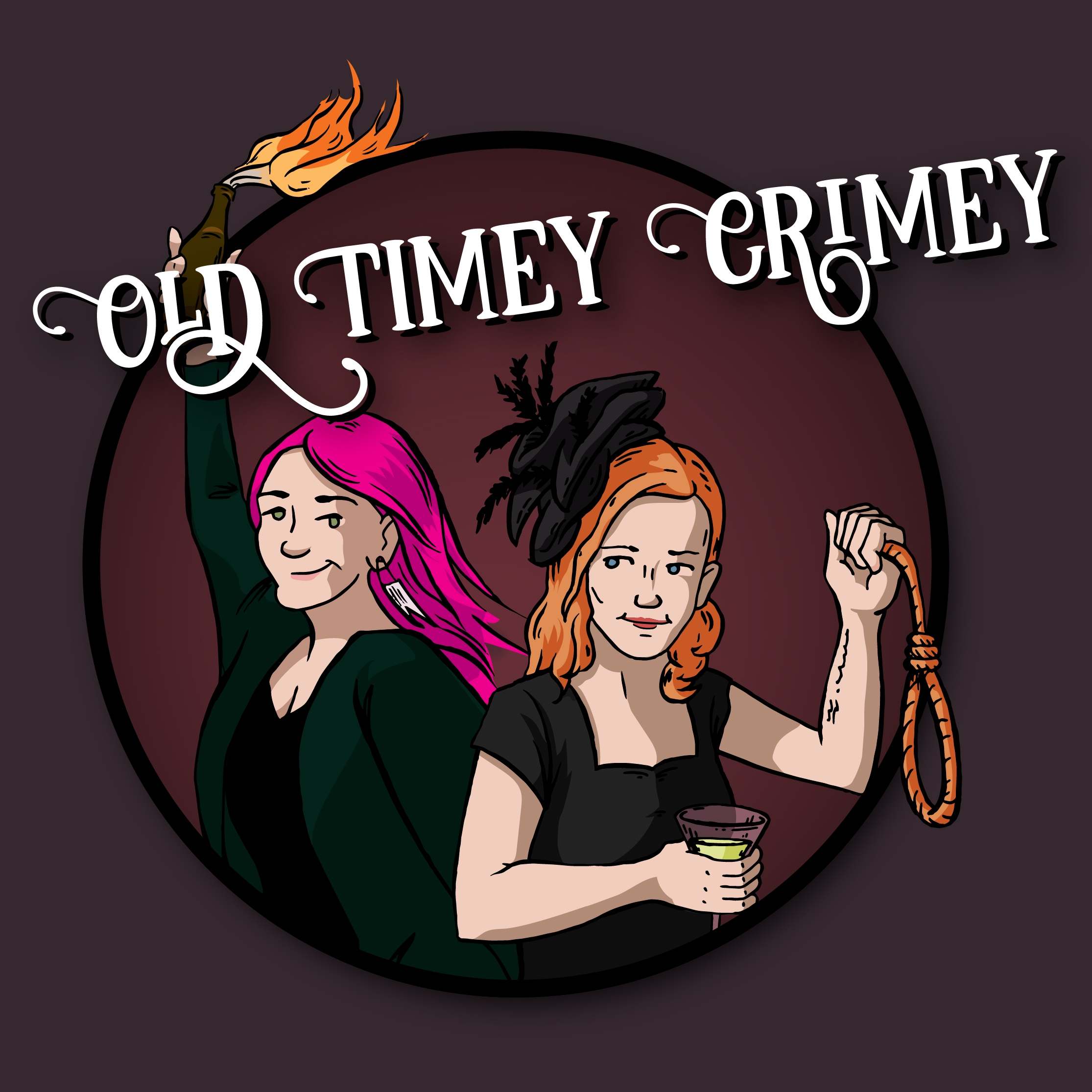
Old Timey Crimey turns historical true crime into a conversation at the research table. The show is built from old newspaper accounts, genealogy records, cemetery listings, and the stubborn problem of what those sources leave out. Recent episodes center heavily on the Murders on Lover’s Lane, a multi-part run of cases involving cars, dark roads, couples, strange witnesses, and suspects who sometimes dissolve under scrutiny. The pace is loose. The research is not. Christy and Amber move through names, towns, vehicles, weapons, courtship histories, missing records, and police theories while constantly checking what can actually be supported. That makes the show feel less like a closed-case recap and more like historical reconstruction in progress. A suspect’s wardrobe can become a whole debate. A bloody handkerchief, an oil container, a razor blade, or a raincoat can reopen a question that newspapers seem eager to drop. The speakers’ frustration with the record is part of the texture: fingerprints go nowhere, guns fail to settle anything, departments appear to wrangle, and people vanish from coverage just when they become interesting. The tone cuts against the grimness. There are jokes about breakfast-food terminology, odd old manners, embalming fluid, parking brakes, and the absurd specificity of newspaper prose. The humor is blunt, but the show keeps returning to victims, timelines, and evidence. It also makes room for wider historical cases, including Ada LeBoeuf, Nancy Eagleson, Robert Irwin, and a possible series of Aurora killings. Those episodes show the same habits: chasing seasonal patterns, testing records against each other, and admitting when a mystery may not resolve. Old Timey Crimey works because it does not pretend the past is tidy. The show treats historical murder as a pile of clippings, contradictions, names spelled several ways, and leads that may or may not mean anything. It is funny without becoming casual about death. It is skeptical without becoming clinical. For listeners who enjoy true crime with archival texture, side roads, and visible source work, it has a distinctive rhythm.