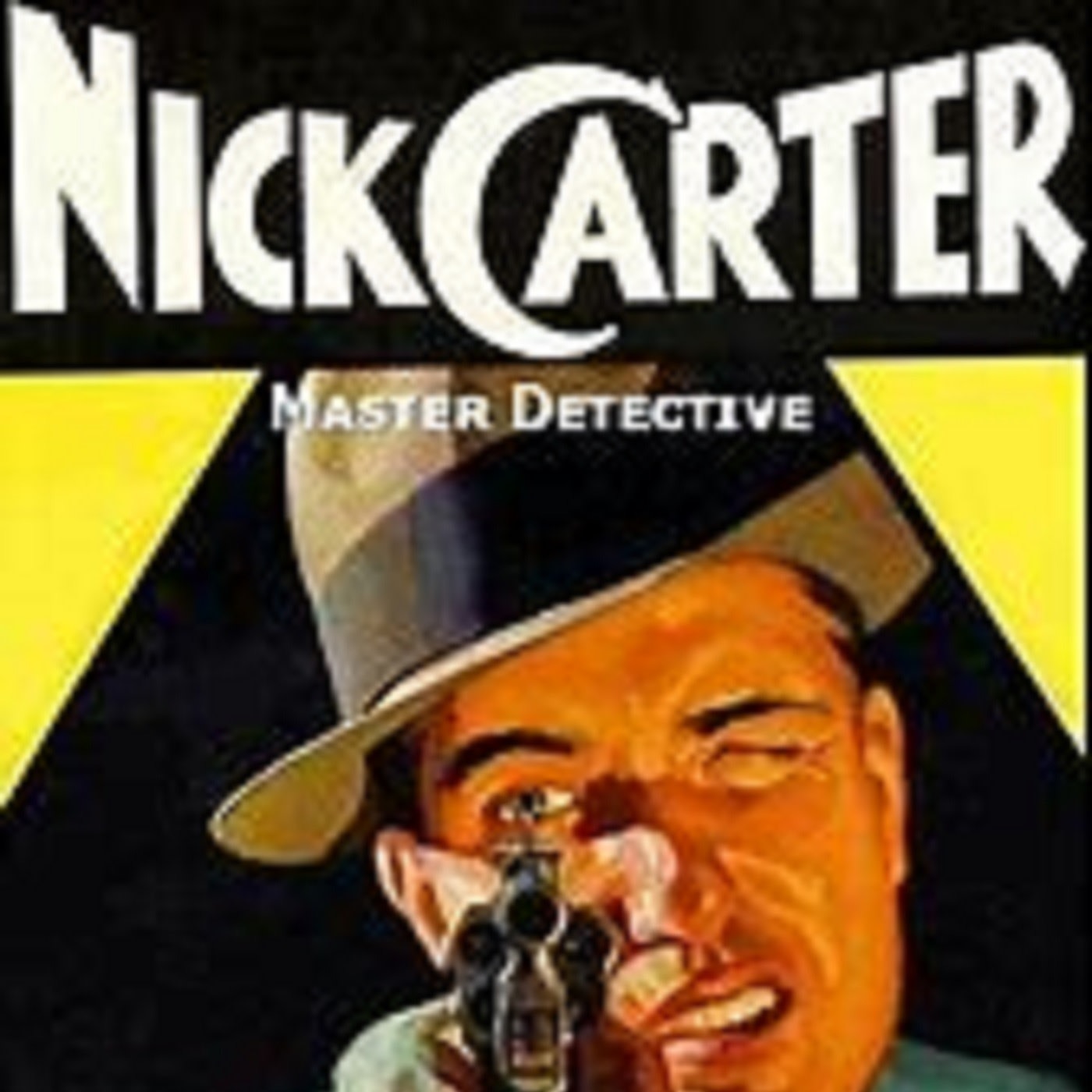
Nick Carter Master Detective is classic radio crime drama with the snap of a pulp magazine and the efficiency of a compact mystery. The show wastes little time getting to trouble. A shoplifting complaint leads to expensive mink coats and a suspicious rooming house. A protected witness is forced into a car before she can testify. A wedding nightmare folds into a roadside crash. A hotel publicity stunt becomes a murder scene, complete with a sword, a missing diamond, and a false Maharaja. The series lives in urgent rooms: police cars, cellars, dressing rooms, hotel suites, cheap hallways, and offices where frightened clients arrive already cornered. Nick Carter is presented as the steady center. He notices the odd absence, the overplayed alibi, the fingerprint that proves too much, or the story that cannot survive one more question. The supporting pattern is just as important. Sergeant Matheson brings official force and homicide-squad pressure, while Patsy Bowen often pushes the investigation closer to risk than Nick would prefer. The tone is brisk. People bark, stall, bluff, and panic. Criminals are racketeers, gangsters, desperate performers, and suspects with convenient explanations. Victims and witnesses often arrive under threat, injured, hidden, or already dead. The plotting leans on tangible evidence rather than mood: registered letters, suitcases, scars, fake robberies, hotel rooms, weapons, and testimony that could send someone to the electric chair. That gives the show a sturdy procedural feel even when the situations are theatrical. Its pleasures are old-fashioned in the best sense: clean reversals, sudden peril, dramatic narration, and clues that reward close listening. The sponsor-era framing and period language place it firmly in vintage broadcast culture. Modern listeners may also notice abrupt archive packaging, with some episodes carrying unrelated contemporary ad material around the original drama. Beneath that, the core appeal is consistent. Nick Carter Master Detective delivers compact mysteries where the danger is blunt, the evidence is physical, and the solution depends on seeing what everyone else has stepped over.