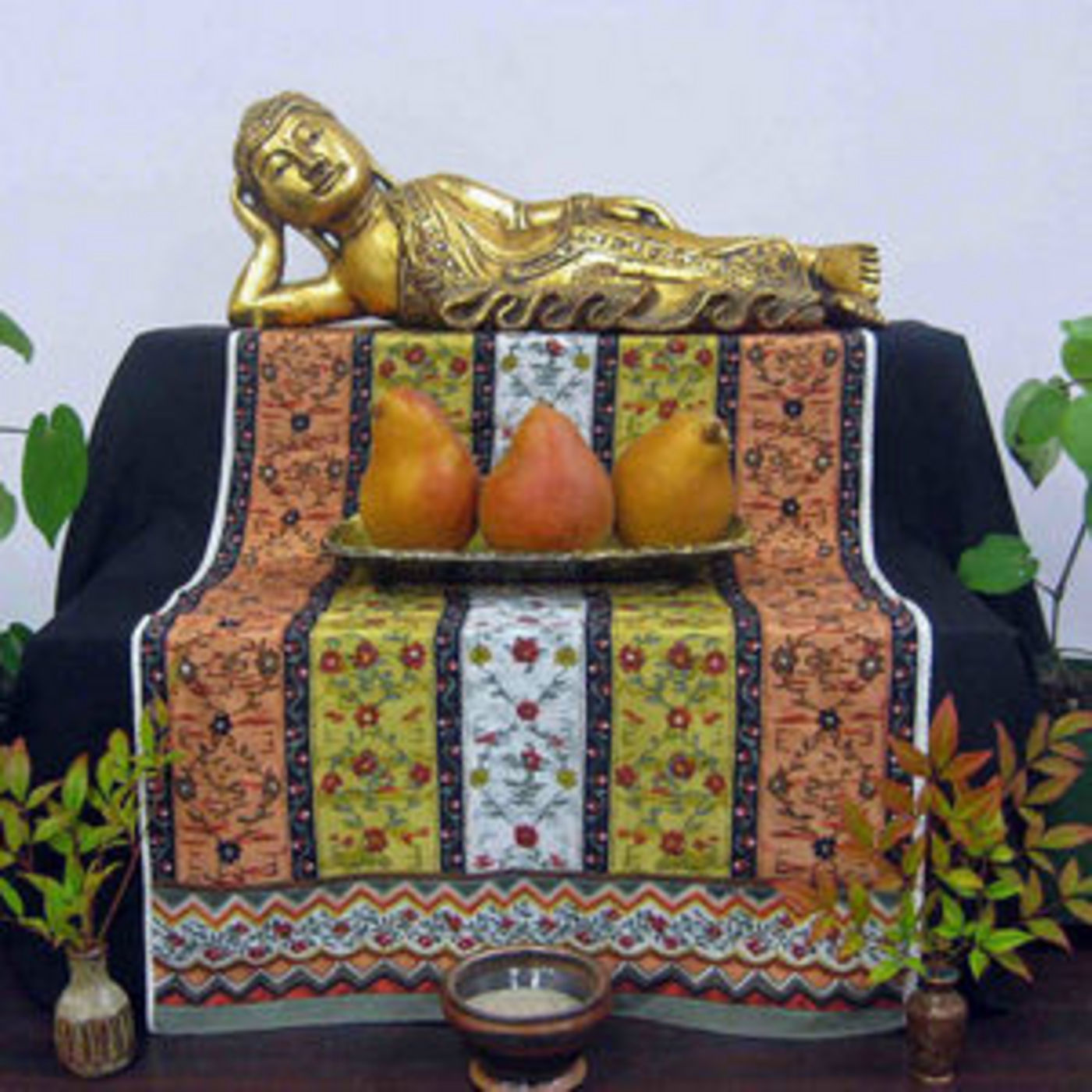
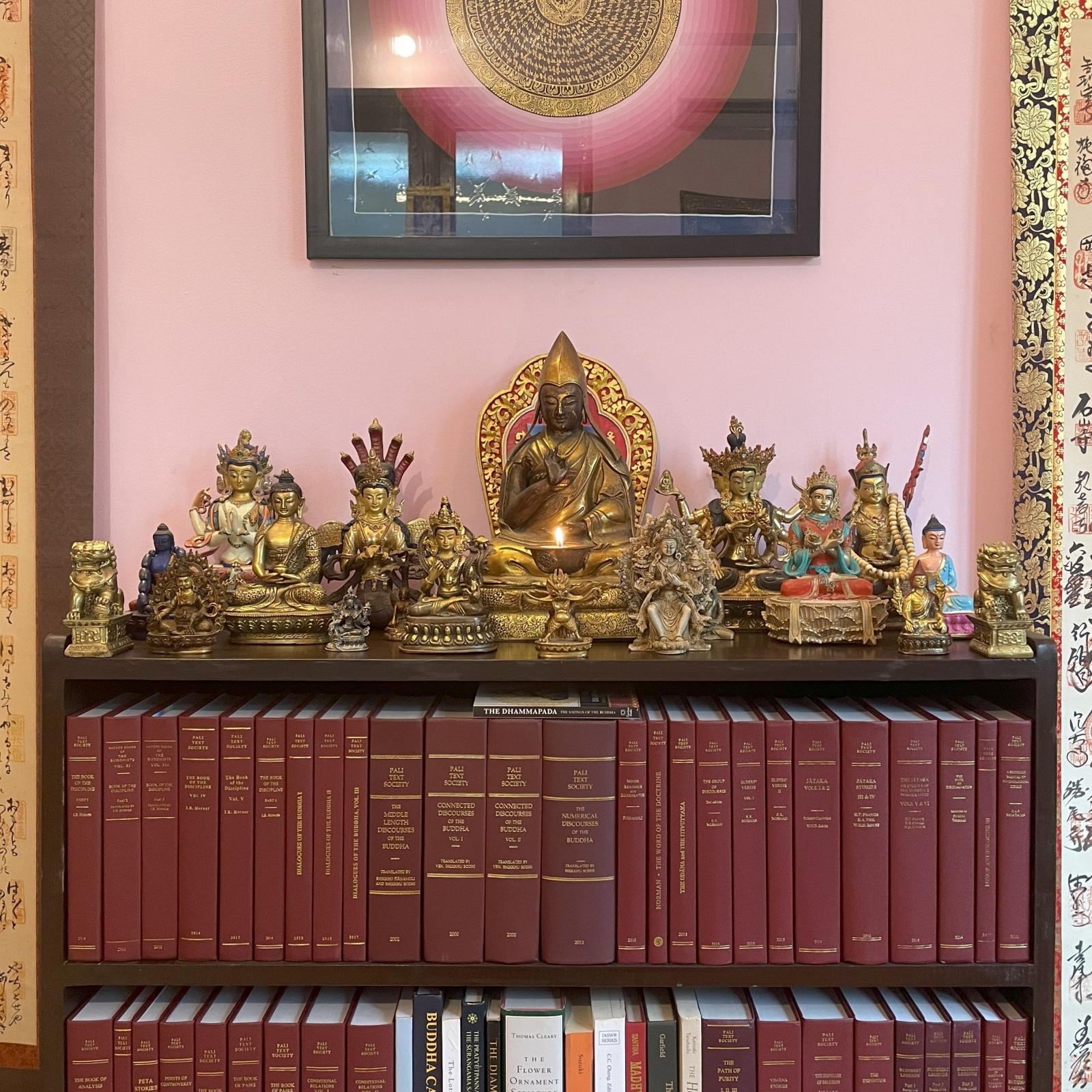
Living Zen is a long-running stream of Dharma talks shaped by the rhythms of Rinzai Zen practice. Its center is not hot commentary or spiritual lifestyle advice. It is the repeated return to sitting, form, breath, attention, and the ordinary body that has to carry the path. Eshu speaks from Zen West Buddhist Society and often situates the talks in shared practice settings such as the zendo, UVic sits, and the wider Zen West Sangha. The episodes treat form as alive. A bell is not just a sound, incense is not just a ritual object, and posture is not just a way to look correct. They become instruments for waking up to relationship. The body is a major teacher here. Shoulder tension, weak backs, sitting on the floor, breathing into the abdomen, and the energetic line from tailbone to crown all become part of the Dharma rather than obstacles to it. The show is also careful about effort. It warns against grim practice while still asking for wholehearted attention, using theater, sport, play, digestion, and composting to describe the slow intelligence of commitment. Ancient teachings are kept close to present life. Daito Kokoshi's final instruction becomes a question about buses, lattes, phone calls, Zoom, and the briefness of time. The story of Sona becomes a way to hear practice as tuning, not too tight and not too loose. A Zen shout becomes a sudden return from planning and worry into embodied life. The talks also return to ancestry, land, conditioning, and the people one comes from. They do not hurry toward a neat takeaway. They circle, clarify, correct, and revisit, letting the teaching accumulate through repeated contact. Living Zen suits listeners who can stay with a slow voice and a serious subject without needing everything polished into slogans. Its strongest moments come when the most traditional material is translated back into something lived: how to sit, how to listen, how to carry awareness into ordinary activity, and how to return again when practice has become too tight, too hungry, or too solemn.