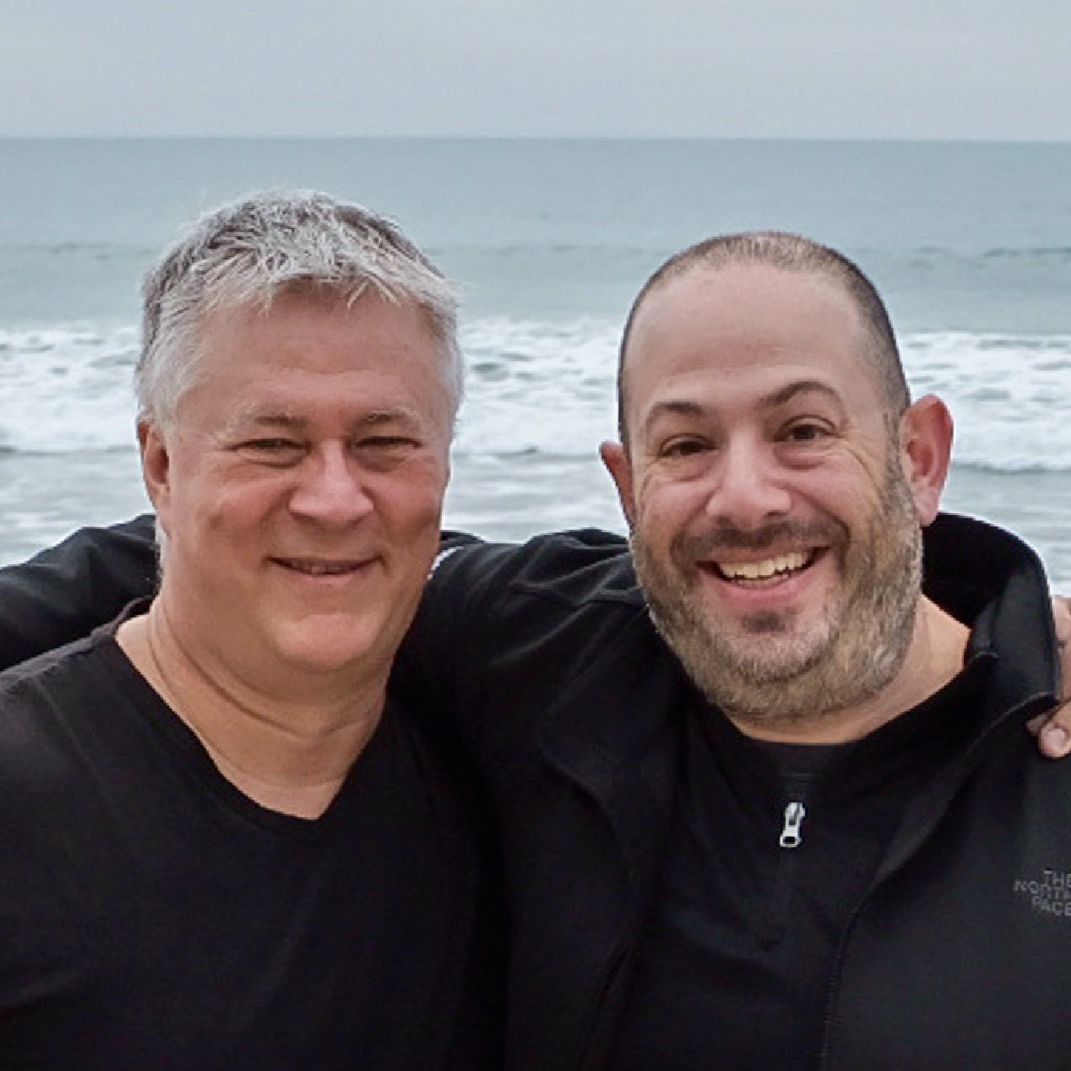
Linux in the Ham Shack is built around the overlap between Linux, open source, and amateur radio. The show says that plainly, and the recent excerpts back it up. One episode works through iNTERCEPT, with attention to ADS-B, vessel tracking, APRS, GPS, radiosonde, satellite tracking, ISS slow-scan TV, weather satellite tools, Wefax, WebSDR, Meshtastic, Bluetooth locating, network monitoring, remote agents, settings, and system health dashboards. Another takes on OpenHamClock, including setup trouble, npm commands, vendor downloads, maps that do not appear at first, and the satisfaction of finally getting the interface running. It is technical, but not sterile. The discussion often sounds like people comparing what actually happened on their own machines rather than presenting a sealed demonstration. That matters. A listener gets failure modes, workarounds, menu paths, and impressions of whether a tool feels ready for ordinary use. Short-topic episodes widen the field with ham TV aboard the ISS, amateur radio awards, emergency communications, repeaters, technical nets, and open source items. Weekender episodes change the rhythm. The picker wheel can choose a random topic, and the show may wander into food, recipes, dream cars, motorcycles, whiskey, and other “hedonism” before circling back to the shared radio-and-Linux culture underneath it. Cheryl, W5MOO, and Bill, NE4RD, are clearly present in the later excerpts. Russ, K5TUX, appears in earlier material and is later named as a silent key, which gives newer episodes a note of remembrance alongside the usual banter. The show keeps its mistakes and corrections audible. Misread intros, repeated lines, jokes about tuning in, and practical asides remain part of the texture. That loose quality is part of the product. Linux in the Ham Shack suits someone who wants real hobbyist detail with the human clutter left in: call signs, recipes, terminal frustrations, dashboard buttons, and the occasional random-topic detour all sharing the same table.