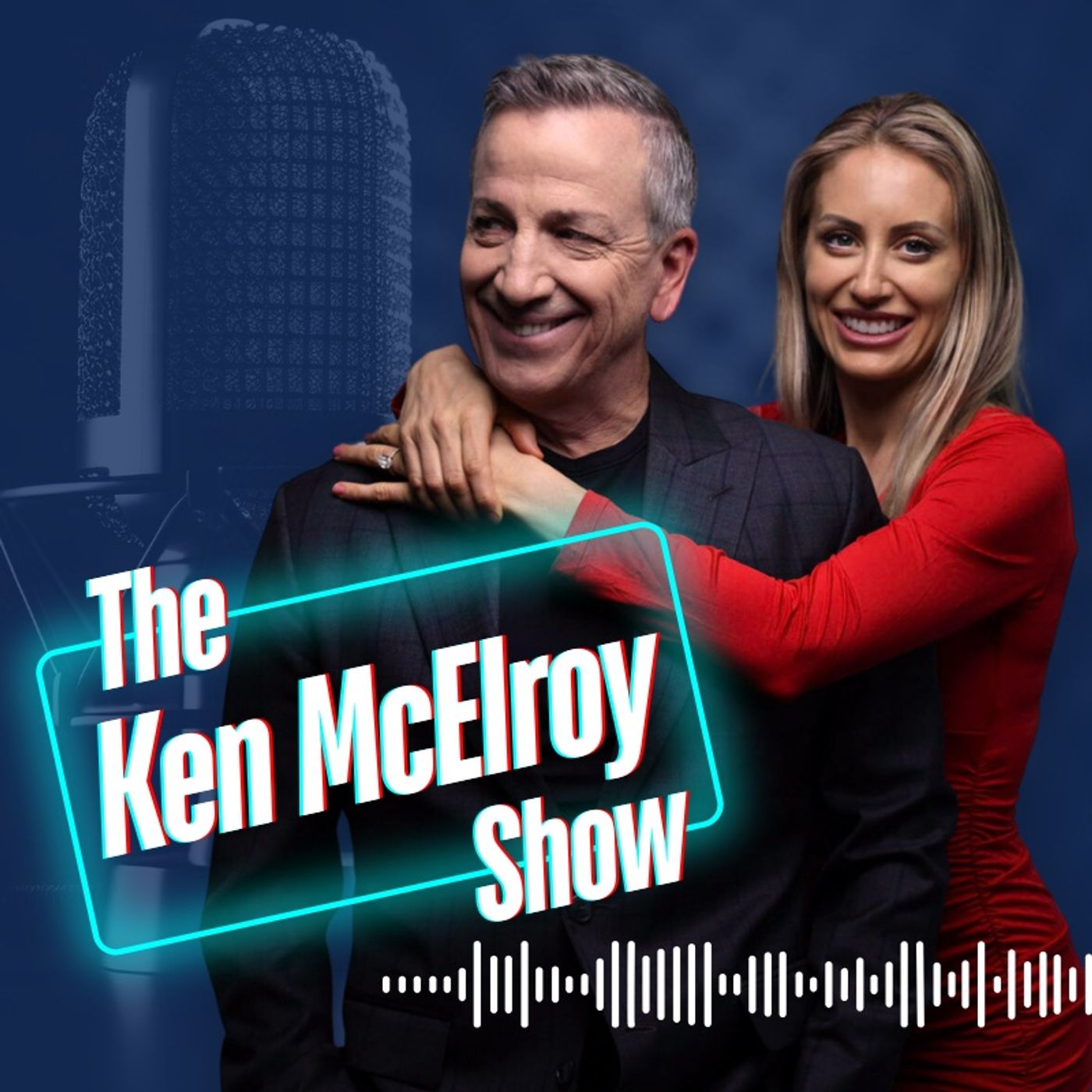
Ken McElroy Show is a real estate-investor program for a market that no longer rewards loose assumptions. It is practical first. Recent episodes keep returning to the same hard question: what happens when rates stay high, inflation stays uncomfortable, and a property has to be managed instead of merely owned? The show treats macro news as something that eventually lands in a rent roll, a fuel bill, a renovation budget, or a vacancy number. Federal Reserve policy is explained through employment, price stability, debt pressure, and the limited room policymakers may have before higher rates start damaging the broader economy. Housing-market stalls are treated as a real operating problem, especially for flippers who built their model around rising prices. Cash flow gets the moral center. Buy, rehab, rent, refinance, repeat is not presented as a slogan so much as a way to avoid relying on resale momentum. The show is especially interested in what many investors miss after closing: roofs, parking lots, appliances, property taxes, vendor management, tenant experience, and the discipline of walking units instead of trusting a rent roll at face value. That gives the conversations a grounded texture. A discussion about AI job displacement can sit next to one about government debt, then move into whether middle-class savers are falling behind asset owners. Guests sharpen the edges. Josh brings aggressive claims about AI replacing knowledge work. Tarl brings flipping and lending experience into a conversation about stalled local markets. Jaspreet frames inflation and stagflation as wealth-transfer pressure on ordinary households. Dave Meyer brings a BiggerPockets perspective on mortgage rates, uncertainty, and the residential market’s long pause. Institutional rental competition also gets attention, with build-to-rent neighborhoods and Wall Street-backed housing discussed as both a threat and a niche. The show’s strongest moments come when it refuses easy answers. It is not anti-growth, but it is suspicious of investors who confuse market appreciation with skill. The editorial center is clear: buying matters, but surviving ownership matters more.