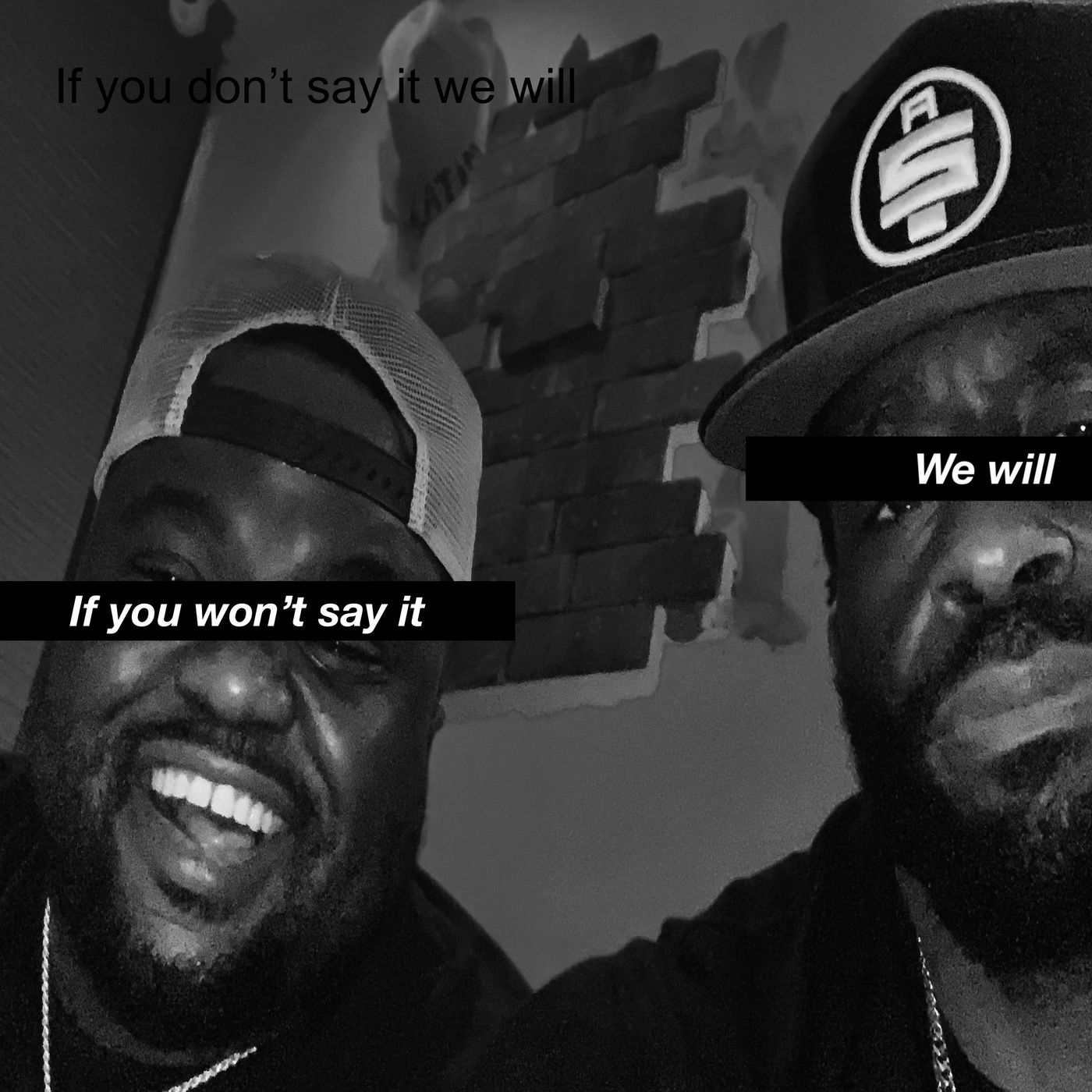
If you don't say it we will is a loud, loose relationship show built around a panel that rarely lets a point sit untouched. Someone brings a story. Someone else interrupts. Then the room turns it into a debate about dating, pride, respect, or personal accountability. The show is not polished in the usual sense, and that is central to its character. It moves like a group chat that found microphones. Recent episodes lean hard into ghosting, mixed signals, breakups, and the blurry space between friendship and romance. The panel keeps returning to the question of intention: whether someone is being honest, selling a dream, projecting old pain, or avoiding the responsibility of naming a relationship clearly. That moral streak gives the chaos a spine. A conversation can start with gaming, a console gift, a shooting game, or a plan to build a streaming setup, then swing back into what maturity looks like in a relationship. Faith appears the same way, not as a sermon but as part of a lived argument about temptation, self-control, and trying to stay grounded. Guest episodes sharpen the room. Melissa and Mema bring a more direct challenge around courting, travel, dating standards, and what effort should look like when someone wants attention from another state. Other segments turn into games, including rapid scenarios about who is worth keeping and who belongs outside the relationship frame. Book brunch talk adds another texture, mixing jokes about reading habits with the panel's usual curiosity about how couples give each other space. Valentine's Day episodes push the show toward holiday expectations, attraction, and what people admit only when the room gets noisy enough. The appeal is the collision between comic momentum and emotional candor. The panel laughs first, then doubles back to the part that actually matters. At its strongest, the show catches people correcting themselves in public. That makes it feel unusually alive. It suits listeners who like messy conversations with a point, especially when relationship talk comes with teasing, side quests, and hard pivots. The edges are real. So is the underlying interest in people doing better by each other.