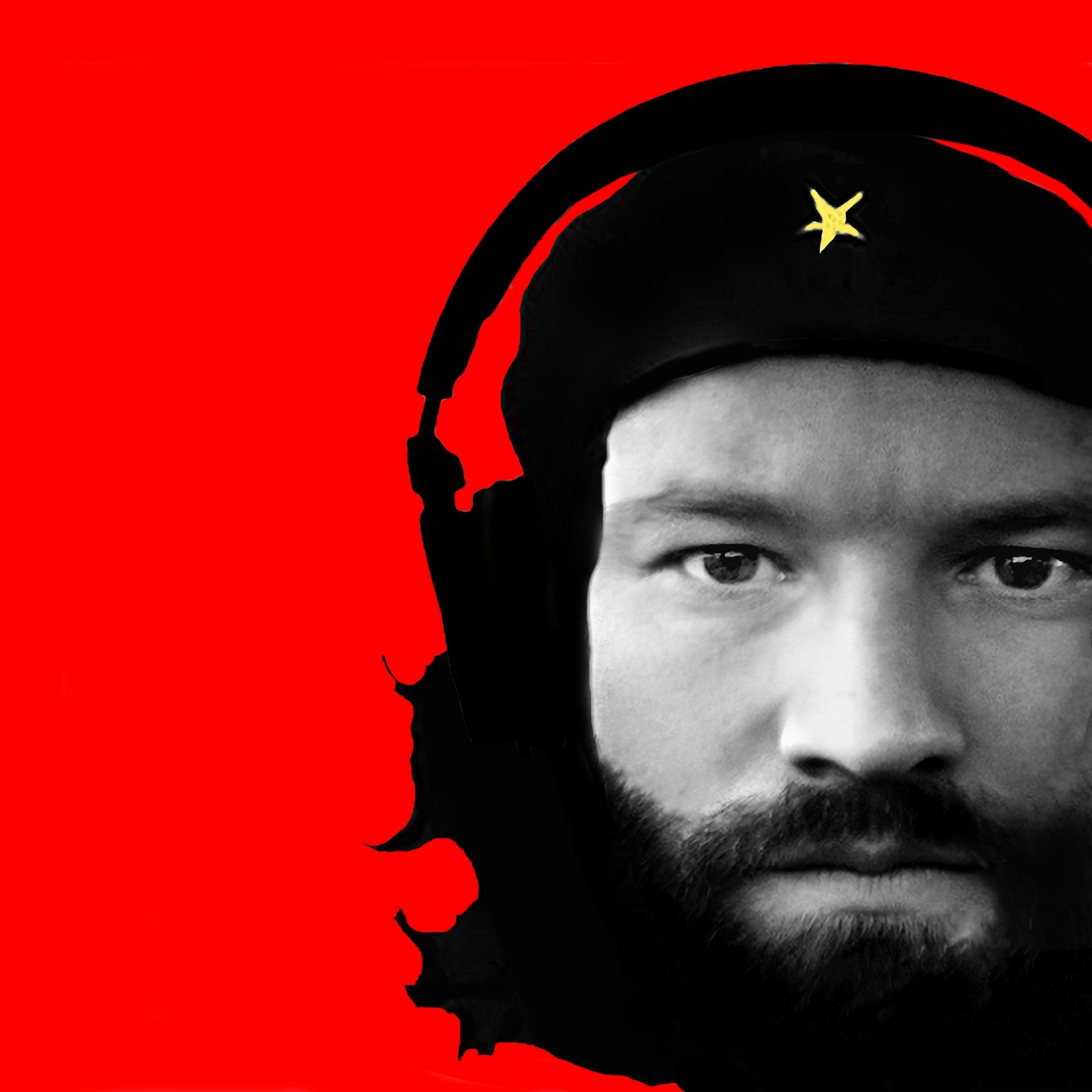
I'll Call You Right Back Podcast is a long-form Pittsburgh interview show built around Chad Medved's curiosity about the people who make the city feel lived in. Chad Medved positions the show as a way to document local people doing work that adds value to Pittsburgh. The show starts conversationally, often with a generous catch-up, a request for support, and a wide recap of why the guest matters. Once it settles in, the format becomes patient and specific. Guests talk through origin stories, creative pivots, neighborhoods, old venues, storefronts, materials, money problems, and the small choices that turn an idea into a life. The guest list in its episodes ranges across monster-making, tintype photography, Rust Belt rap, honky-tonk music, used books, Appalachian horror stories, and film photography. That range is the point. A mask maker's failed live-action plan can become a story about Kickstarter rewards, lost space, friends helping with shoots, and a comic that took years to finish. A tintype photographer's bus and lens can open into a conversation about Nashville, breweries, yard portraits, musicians, DMs, values, and the odd practical romance of old equipment. A bookstore conversation can become a map of Potomac, changing demographics, Stephen King shelves, Nora Roberts paperbacks, road closures, third spaces, and why customers become attached to a shop. The Halloween episodes let the show lean into woods, old houses, family stories, and the pleasure of being comfortably scared. The business episodes stay grounded in Pittsburgh's everyday texture. Names like Brillo Box, Trace Brewing, Streets on Carson, Badamos, Beyond Bedtime Books, Pittsburgh Candle, Revival Print Shop, and Commonwealth Press appear as part of a local memory bank rather than a tourist checklist. Medved's interviewing style is enthusiastic and persistent. He circles a point until the shape of the story is clear. The show is not sleek, and that works in its favor. It has the feel of someone making space for long answers because a quick promo spot would miss the actual life behind the work. The pacing can be brisk even when episodes run long, because the talk keeps collecting details. It is especially strong for listeners who care about local culture, independent businesses, working artists, neighborhood change, and Pittsburgh voices that rarely get a full hour to explain themselves. The result is a rough-edged civic archive with warmth, memory, and a lot of basement-table momentum.