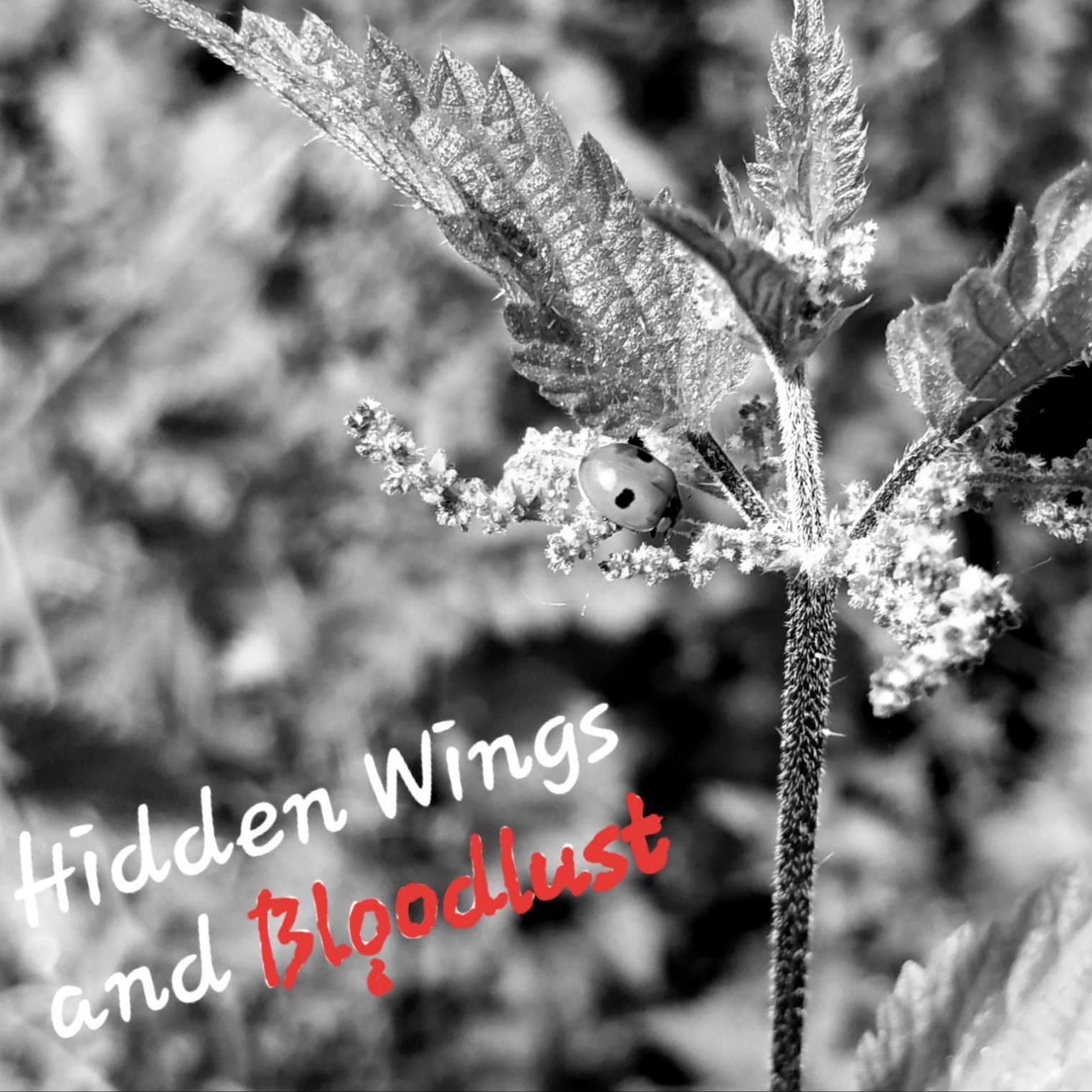
Hidden Wings and Bloodlust spends all its time on ladybirds and ladybugs, and it treats them as predators. Many episodes follow a single species. The title gives the Latin name and then the common names, as with Sospita vigintiguttata, also called the Beautiful Ladybird, the Alder Ladybird and the 20-Spot Ladybird. These episodes often begin with a short piece of storytelling. One sends a hunter back into a gothic swamp near a castle. Another stays with a prickly pear in Death Valley as an invader and its hitchhikers close in. A third has a new New York mayor find a pale oval moving across his phone. The scenes are brief and a little theatrical, and they explain the second half of the show's name. After the scene, Rachel turns to careful natural history. She covers where a species lives, what it eats and when it can be seen. She cites sources such as the Wildlife Trust and the New York Heritage Programme and points to the full list in the show notes. Conservation keeps coming up. In New York, the nine-spotted ladybug is described as mostly limited to one site on Long Island. A friend of the show, Andy Berkey, reports much more stable populations near where he lives. History and human use come in as well. The cactus ladybug was introduced to South Africa in the late 1960s for biological control and never settled in well. Research on it as a predator of cochineal scale insects in Mexico leads to a detour on the dye and its link to the name Coccinella. Culture gets episodes of its own. In one called 'Ladybirds and Christianity', Rachel shares a devotional story about the ladybird's name and folklore that says killing one puts you in the Virgin Mary's bad books for nine days. That episode also mentions an earlier one on ladybirds and Judaism, and Tricia Arlen, a friend of the show who wrote a Jewish blessing for bugs. Guests bring in other angles. Ben Knowlton, a graduate student at the University of Kentucky who comes from the podcast There Will Be Bugs, talks her through metamorphosis, overwintering and the imaginal discs larvae have from hatching. That talk is looser than the scripted profiles and ends with Rachel asking whether she should stop recording. The archived Episode 1, on Coccinella septempunctata, lays out the plan: the what, where, how and why of ladybirds. It also includes Rachel's disclaimer that she is not an entomologist, plus the image of seven-spot larvae being dragged around by aphids several times their size. The humour is gentle and sometimes cheeky, and ladybird courtship has been promised as a topic. For the basics, start with that 7-spot episode. The cactus ladybug episode shows the full mix of story, science and history.