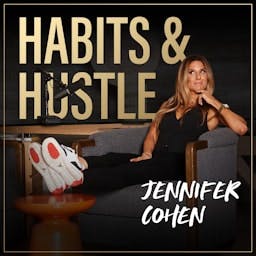
Habits and Hustle sits at the busy intersection of personal development, health optimization, fitness, entrepreneurship, and practical discipline. It is not a quiet theory show. The conversations move fast, with quick reactions, side comments, clarifying questions, and a constant push toward the usable takeaway. One episode may focus on why active listening and concise language make someone a better communicator. Another may swing into algae-derived antioxidants, longevity testing, or the case for a supplement most people have never heard of. Business episodes tend to prize action over polish. The show returns often to the idea that execution beats waiting for the perfect plan, using examples like novelty products, ambitious growth goals, and people who figured things out under pressure. Health episodes often bring in named products, studies, and founders, which gives the show a consumer-wellness edge as much as a personal-growth one. It can be skeptical of vague talk while still being highly enthusiastic about tools, habits, and routines that promise better performance. The solo episodes have a looser feel. Shawnee functions as a conversational foil, giving the speaker someone to bounce off while topics move from book clubs to doom scrolling to the strange way social feeds shape attention. Guest episodes are more structured, but still informal. Dave Watumull talks astaxanthin and AX3 Life. Jon McNeill discusses simplicity, hard goals, Tesla, Lyft, and The Algorithm. Dr. Stephanie Venn-Watson talks C15, longevity, and The Longevity Nutrient. Liron Kayvan brings fitness-goal realism to the New Year reset cycle. Through it all, Habits and Hustle keeps circling the same practical concern: how people communicate, work, train, eat, focus, and keep going when motivation fades. It suits listeners who like self-improvement with personality, repetition, and blunt momentum. The tradeoff is that sponsor material can take up real space, and some health conversations lean heavily on guests connected to products. Still, the show’s appeal is clear. It makes high-performance talk feel casual, immediate, and reachable.