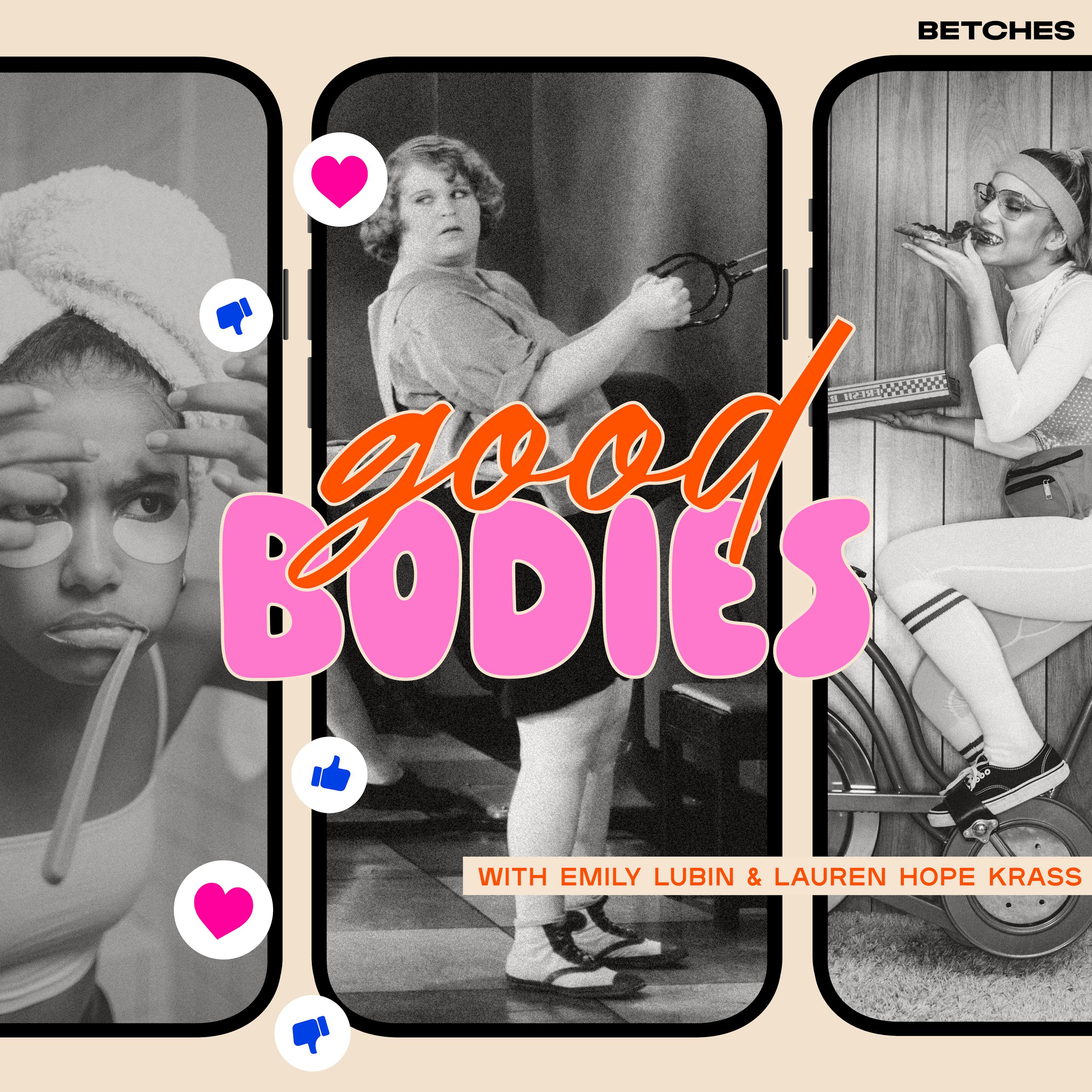
Good Bodies sits at the intersection of body image, food culture, wellness skepticism, and close-friend comedy. Emily and Lauren keep the pace quick. A false start can become the opening joke, a food confession can become the main event, and a sincere thought usually arrives through a tangent rather than a formal thesis. That looseness is the point. The show talks about bodies without making every body conversation sound like homework. Episodes use everyday scenes, including plus-size stores, bad body image days, restaurant salads, public snacks, acupuncture appointments, and awkward social plans, as the material for bigger questions about self-trust. The advice is often modest, which makes it feel more believable. Covering mirrors and putting on loose clothes is framed as a temporary tool, not a personality overhaul. Keeping plans becomes less about being perfect and more about noticing when people-pleasing has turned into resentment. Food gets similar treatment. A salad can be delicious without being a punishment. Diet Coke can be discussed as flavor, not virtue. Snacks and meals can spark a debate without becoming a diet rulebook. The show is especially sharp when it catches the moral language people attach to eating, dressing, canceling, exercising, or simply existing in public. It is not polished wellness media. It is warmer, faster, and more embarrassing than that. Emily and Lauren interrupt, correct themselves, tease each other, and then land on something emotionally precise. Guest and listener questions widen the frame, including conversations around sugar addiction and the male gaze, but the core appeal is the duo’s rapport. Their final episode makes that clearer: the show’s engine is not just the topic list, but the friendship that formed while talking through it. Good Bodies works best for listeners who want body neutrality, intuitive-eating-adjacent conversation, and wellness culture commentary without a clinical tone. It can be blunt, silly, and intimate. It also keeps a clear entertainment-only boundary around health subjects. The result is a show that makes space for complicated feelings about bodies while refusing to treat every meal, outfit, or canceled dinner as a crisis.