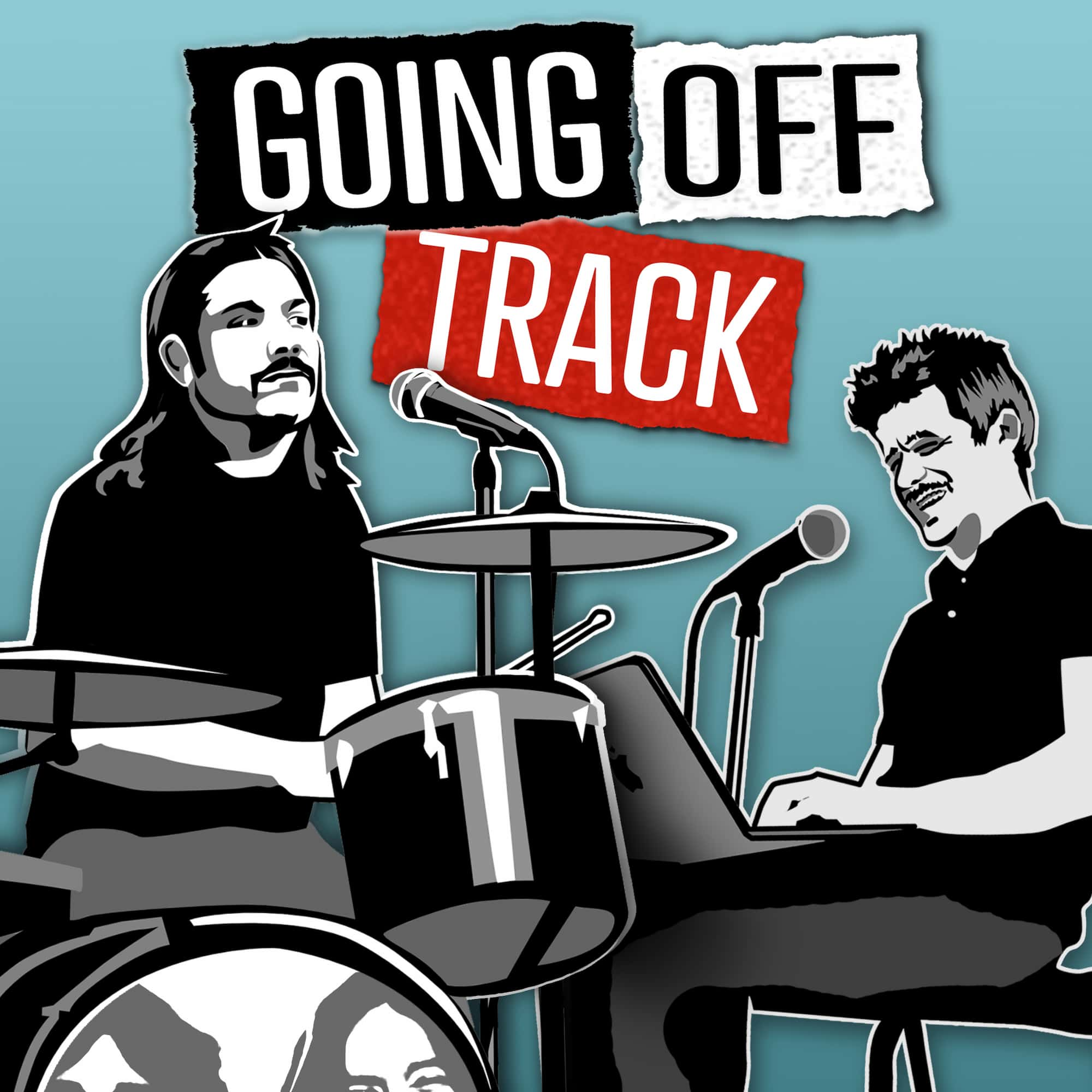
Going Off Track is a long-running music interview show with the patience for history and the attention span of a crowded backstage room. It does not enter through the front door. A recent episode might begin with spring finally arriving, a complaint about heat, a joke about caffeine, or a childhood grudge against April Fools. Then the floor shifts. Suddenly the talk is about peace punk, hippies, Seven Seconds, surfing and skating as escape, or the moral math inside old scenes. That switch is the point. The show lets casual talk carry real context, so the listener hears music culture as something lived through weather, vans, studios, families, and half-remembered arguments. Its recurring music-history segment gives the chaos a spine, turning dates and trivia into riffs about Rickrolling, Rick Astley returning to relevance, Karen Carpenter resurfacing in culture, or Thomas Edison’s microphone work. The interviews are loose, but they are not empty. Conversations with artists and scene figures move through touring sleep arrangements, vocal confidence, reverb choices, punk’s suspicion of pop polish, and the democracy of a band mix. Some episodes reach backward, including flashback chats tied to Walter, Jonah, and Justin. Others feel very present, circling pandemic memory, AI jokes, patron chatter, or the small routines that keep a show alive. The tone is irreverent and conversational. It can be sharp, messy, nostalgic, and sincerely interested within the same minute. That makes Going Off Track stand apart from cleaner music-interview formats: it trusts digression as a way of finding the real subject. The show is best when a stray joke becomes scene lore, or a technical detail opens into a bigger feeling about why songs matter. It is punk history with coffee breath, not a plaque on a wall.