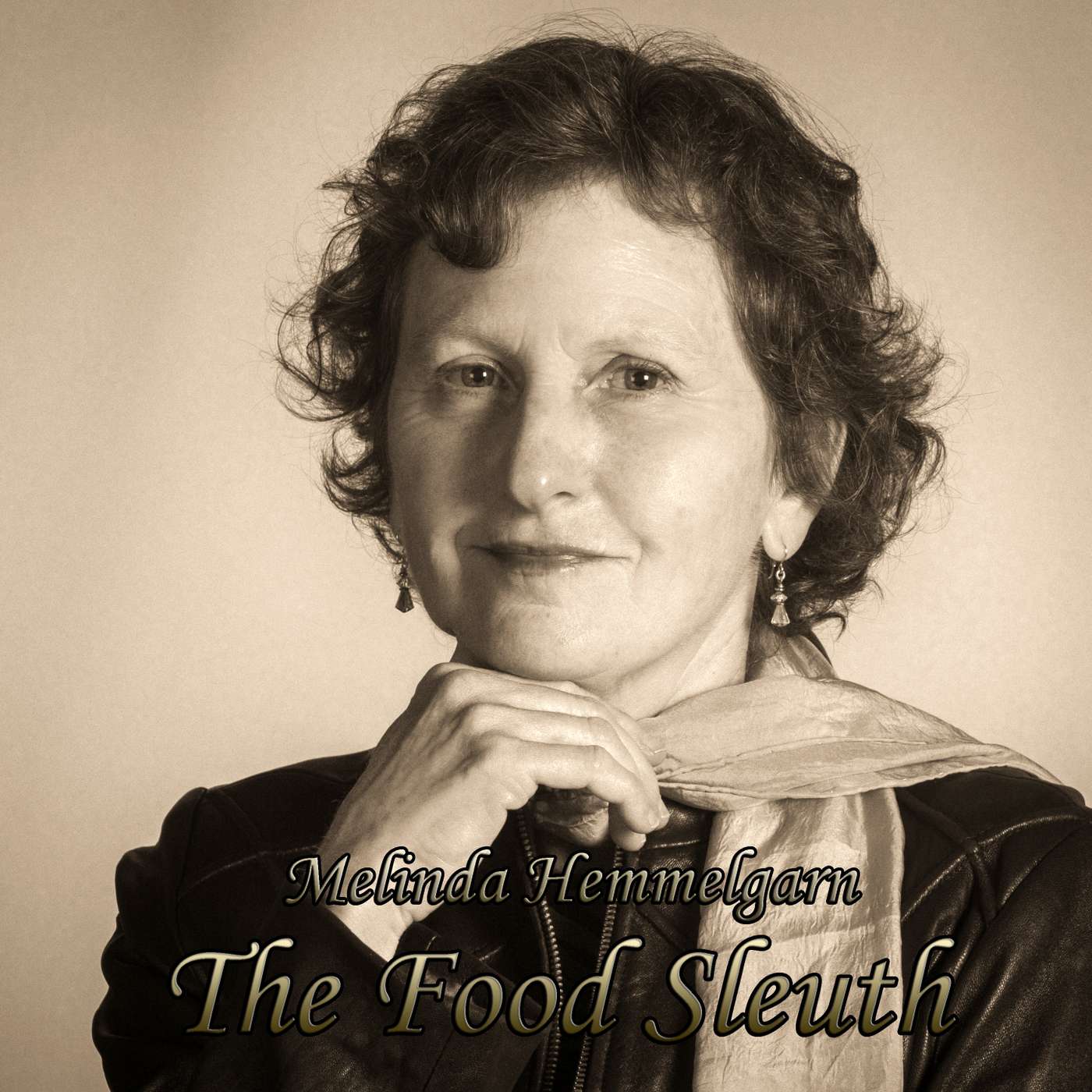
Food Sleuth Radio is built around a simple premise: food choices cannot be separated from health care, farming, regulation, money, and public trust. The show’s center is the extended interview. Melinda Hemmelgarn introduces guests with care, then lets them explain the work behind their expertise. The result is steady rather than flashy. Episodes often begin with a practical question: how collagen supplements are being studied, how gluten-related disorders affect daily life, or what people can do to reduce kidney-stone risk through diet. From there, the conversation widens. Clinical topics are treated as public issues when access to hospitals, insurance, dietitians, or reliable information is uncertain. Agriculture gets the same treatment. Discussions with Lee Evslin examine glyphosate, Roundup, chlorpyrifos, children’s vulnerability to pesticide exposure, and the policy fights that follow scientific concern. Conversations with Stacy Malkan focus on agribusiness influence, lobbying, public relations, pesticide companies, and the documents used to show how science and opinion can be shaped. The farmers market episodes add another layer. Kelly Verel describes public markets as community infrastructure, where vendors, managers, SNAP benefits, health services, kitchens, families, and local farmers all meet. The show respects detail. It spends time on credentials, lived experience, and the practical labor behind public health work. It is not a quick-tips nutrition program. It is better understood as food reporting by interview: careful, advocacy-minded, and interested in what happens when personal health depends on larger systems.