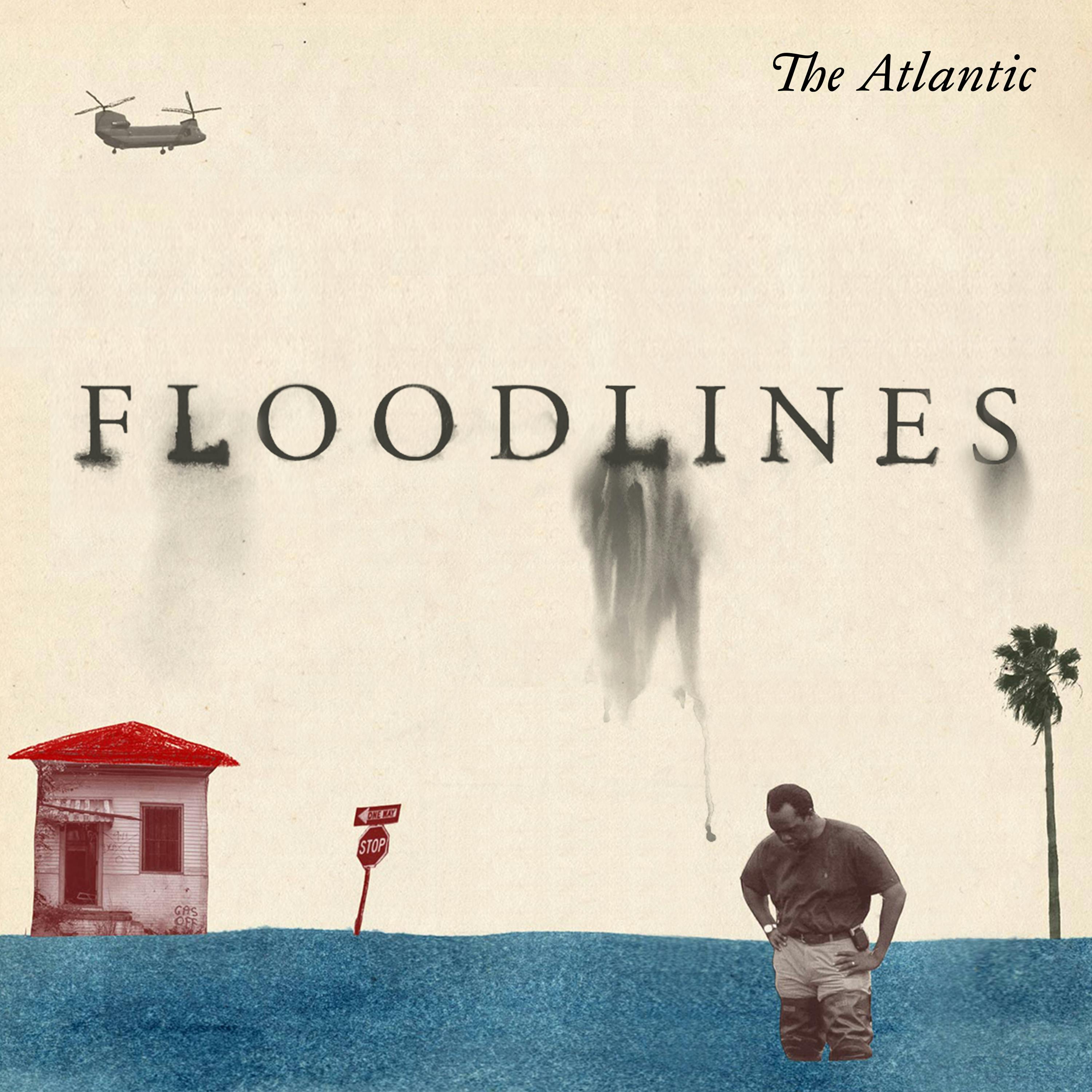
Floodlines is a reported documentary about New Orleans, Katrina, and the long argument over what the disaster actually was. It begins with water, but it does not leave the story there. The show follows people through memories of neighborhoods, parades, family gatherings, evacuation routes, teenage fear, and the strange afterlife of old footage. Then it turns toward the structures behind those memories. Levees matter here. So do pumps, federal agencies, presidential decision-making, media failures, and the ways official accounts can flatten what people endured. The tone is grave without being distant. A recollection about a job, a mall, or an old street corner can slowly become a question about displacement and civic memory. Floodlines is especially strong when it lets contradiction sit in the room. People joke, hesitate, grieve, defend themselves, revise themselves, and sometimes fail to offer the apology the moment seems to demand. The reporting gives New Orleans its own geography: lakebound and riverbound, upriver and downriver, dry land made by engineering and threatened by the same confidence that built it. It also reaches backward, from Katrina to earlier storms, enslaved labor, resort islands, Hurricane Betsy, and the history of flood control in the United States. Those historical passages never feel ornamental. They show how much of the crisis had been rehearsed before the levees broke. Floodlines is not a simple survival chronicle. It is a record of what people knew, what they were told, what they lost, and what institutions tried to explain afterward. The interview style is direct and often uncomfortable. The narration stays plain, allowing the emotional force to come from testimony and detail rather than grand language. Later updates around Rebirth and Holy Week show the project’s continuing concern with grief, racial history, and the way public trauma lives past its official anniversary. At its center, though, Floodlines remains fixed on New Orleans and the flood’s human consequences. It is best for listeners who want documentary storytelling that connects porch-level memory to engineering, government evasions, and national myth. The show asks a hard question and keeps asking it from different angles: who gets to define a disaster after everyone else has gone home?