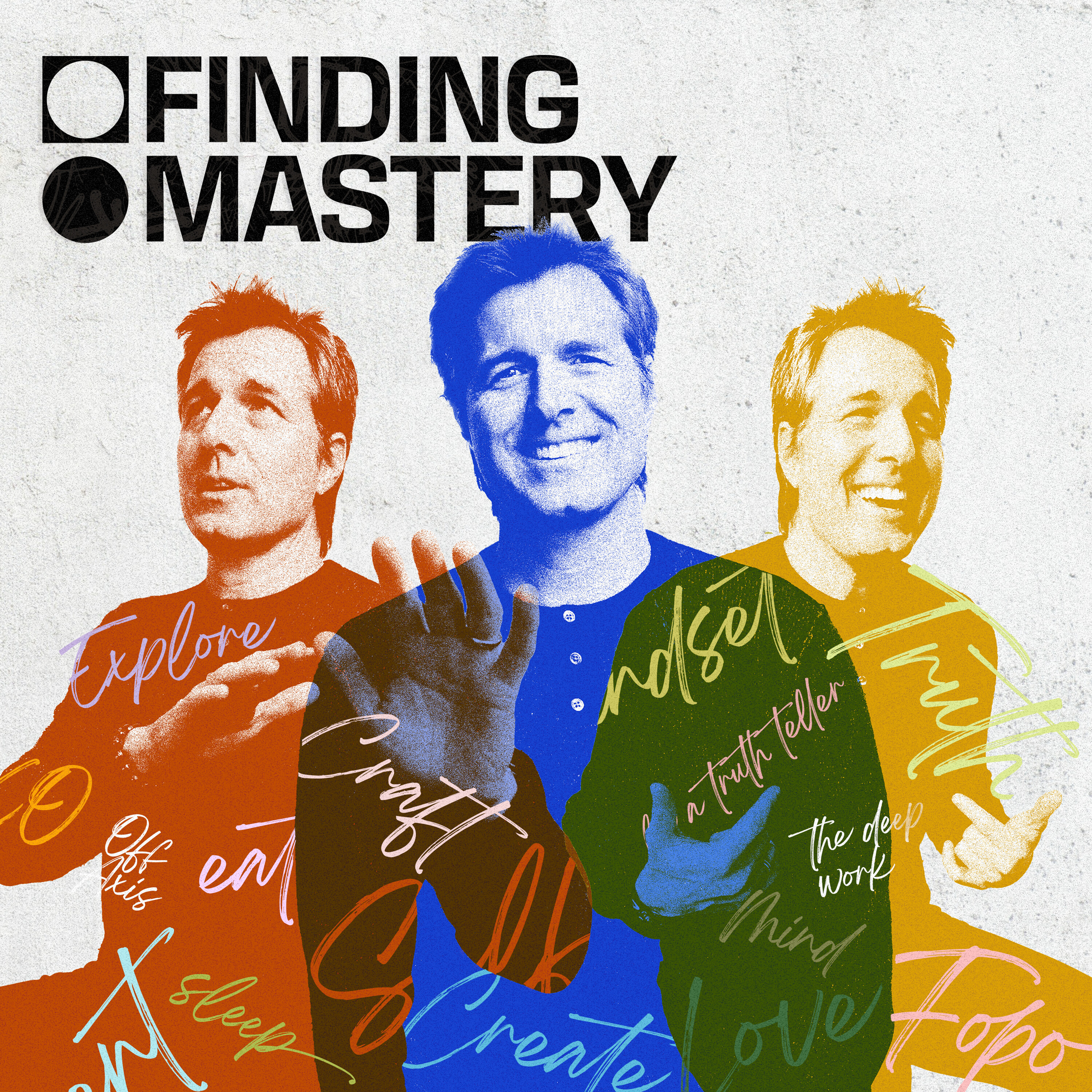
Finding Mastery is built around a disciplined question: what helps people meet the most demanding parts of life with more skill? The show answers through interviews, guided reflection, and occasional AMA-style conversations. Its center of gravity is performance psychology, but the territory is broader than sports. Episodes move through happiness research, intermittent fasting, pressure, misinformation, limiting beliefs, creator discipline, anger, anxiety, meditation, and identity. The tone is steady. It favors clarity over hype. Guests often bring the story, while Dr. Michael Gervais shapes the conversation toward pattern, practice, and meaning. A discussion about sadness becomes a closer look at emotional acceptance. A conversation about food becomes a challenge to simple calorie thinking and a turn toward hormones and hunger. A talk about winning asks whether competition should be normalized or treated as a fundamentally different environment. The show is especially interested in the moment when a mental model starts to affect behavior. Beliefs are examined as perceptions that can either drain motivation or make action possible. Anxiety is treated as something to understand, not merely escape. Anger is handled carefully, as a powerful state that may be useful in narrow conditions but risky to inhabit for long. Creativity is presented as requiring structure, mentors, coaches, and deliberate preparation rather than pure spontaneity. Truth becomes a practice of honesty and attention to reality amid misinformation and tribal pressure. The show’s rhythm is patient, with questions that often begin simply and then widen. It can feel coaching-adjacent, but it avoids turning every answer into a slogan. The value is in the translation: stories from public performers and thinkers become practical language for private work. Finding Mastery is best for listeners who want ambition, emotional literacy, and evidence-minded self-development in the same place.