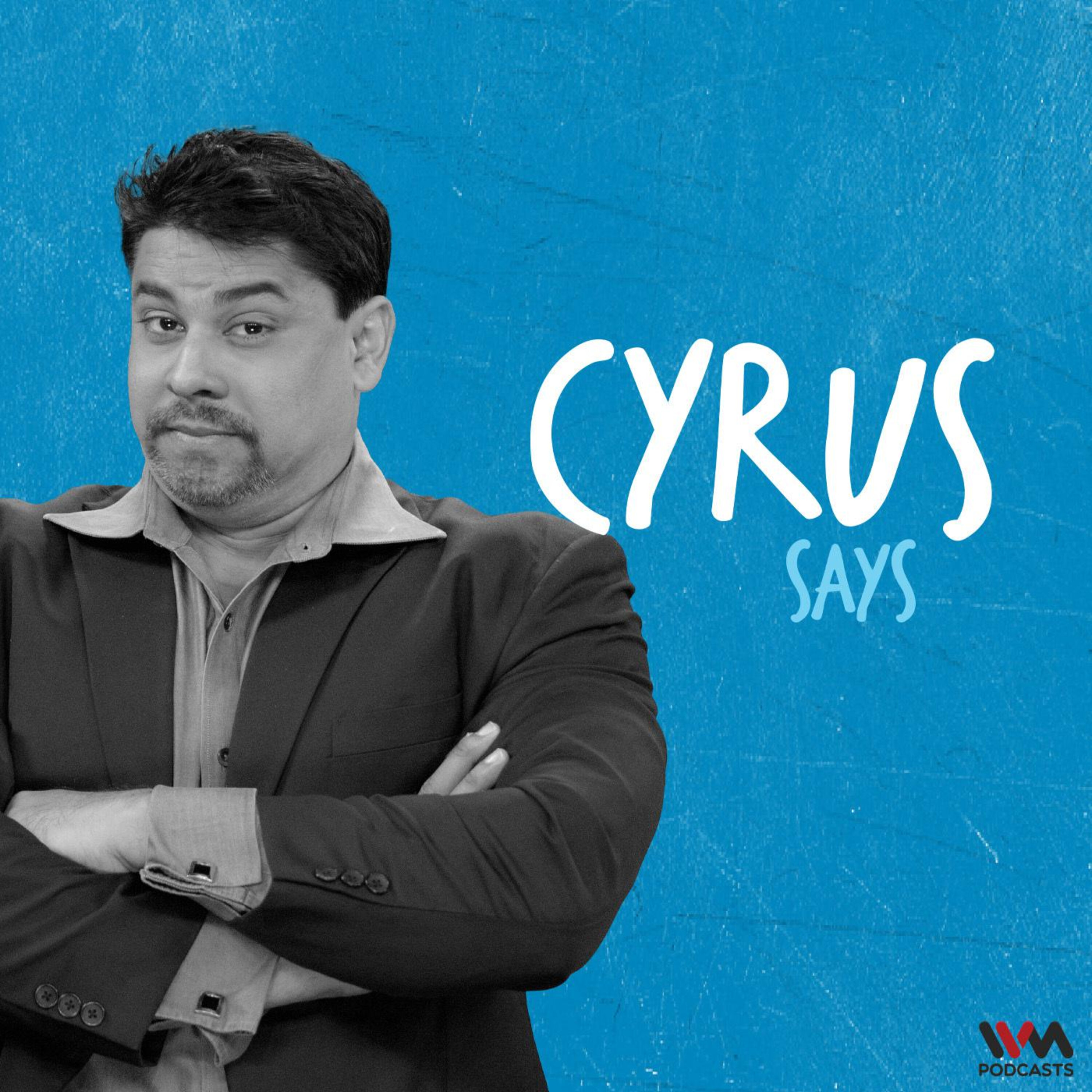
Cyrus Says is built for listeners who like interviews with the doors left open. The show has guests, comedy guests, topic panels, and newsy hooks, but it rarely behaves like a controlled promo stop. A conversation can start with Angad Bedi and IPL, then become a debate about whether T20 is changing every other cricket format. It can follow Riddhi Dogra through television, Mumbai, independence, Asur, Jawan, and the tension between family expectations and wanting a different life. It can invite Aayush Sharma and spend its best energy on a tattoo story, marriage banter, and a sudden search for the correct Beckham child. Nothing stays pristine for long. The tone is fast, familiar, and slightly chaotic, with Hinglish banter rubbing against guest anecdotes, sports arguments, and jokes about ordinary Indian inconvenience. Mumbai trains, delivery apps, online outrage, reality shows, cricket boards, body jokes, and film gossip all feel equally available. Cock and Bull episodes push that looseness further, using panel chatter to bounce from Samay Raina to Ranveer Singh, from internet chaos to public habits, and from current events to nonsense with almost no warning. The show is irreverent, but not empty. Beneath the interruptions, guests often get room to talk about ambition, family history, craft, or the pressure of being seen. That mix gives Cyrus Says its shape. It can be silly for five straight minutes, then suddenly land on something sincere about Test cricket, war, acting, or personal freedom. The comedy depends on derailment. The interviews depend on letting the derailment reveal personality. It is not for listeners who want neat arcs, clean topic boundaries, or solemn guest treatment. It works best when heard as a lively Indian conversation that keeps losing the thread and finding better ones. The show’s real subject is the social noise around public life: fame, sport, traffic, media, politics, bodies, cities, families, and the small arguments that make them funny. Its rough edges are part of the point. Cyrus Says sounds less like a program with segments and more like a table where the official topic has to fight for oxygen.