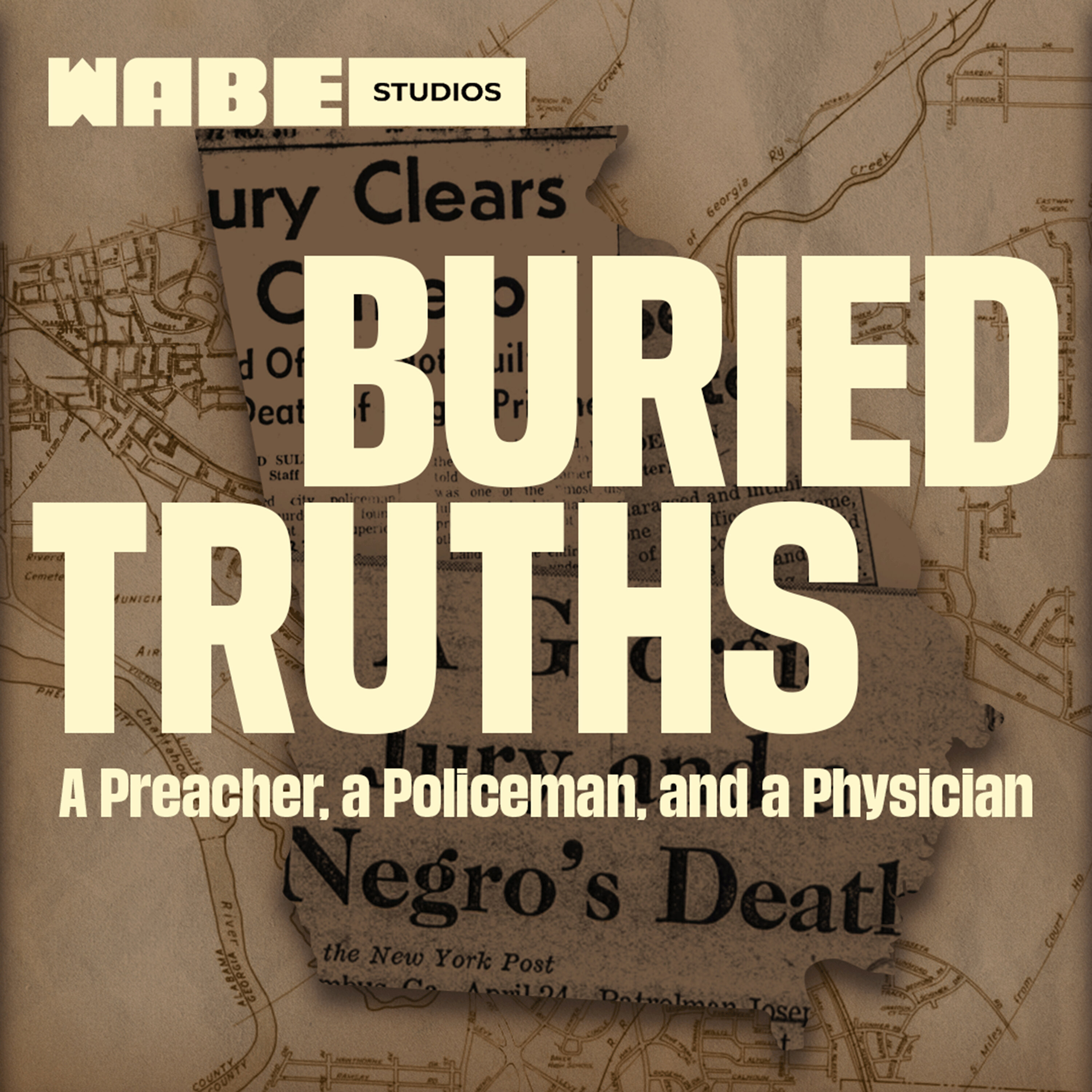
Buried Truths is a narrative investigation into racial violence in the American South, hosted by Hank Klibanoff. Its fifth season stays with a single case. Reverend Clarence Pickett was walking home when Avis Malone, whose white-owned grocery sat in a Black neighborhood, called the police to say he was drunk, cursing and making 'several smart remarks.' He had not even come into her store. The narration turns straight to what that accusation meant for a Black man in the presence of a white woman. What followed in the jail comes through other people's words. His sister, Lily Banks, told police that he said officers had kicked and stomped him. Inmates Charlie Johnson and Claude Jenkins described him the next morning walking bent over, holding on to the bars and asking an officer for aspirin. It is hard listening, and the show reads the testimony without softening it. From there the season tracks how the case moved through the system. Justice Department officials concluded it belonged in the state courts of the Chattahoochee Judicial Circuit, centered in Columbus, and then backed out. The police chief suspended the officer, Joseph Cameron, and had him arrested, and a coroner's inquest and a grand jury investigation lay ahead. Klibanoff pays close attention to John Land, the prosecutor who never explained why he would not seek the death penalty for Cameron, yet as a judge sent defendants to the electric chair with little compunction. He reads what the longtime Columbus journalist Jim Houston wrote about Land in 2011, shortly after Land died at 93. Context comes in where the case needs it: registering Black voters stirred controversy in the South partly because registered voters became eligible to sit on juries. One stretch goes as far as Peleliu, with coral ridges honeycombed with caves and steel doors that opened for artillery and slammed shut again, told with help from John Curatola, a career Marine who retired as a lieutenant colonel. The host's own voice is part of the method. He says he loves finding the rare moments when white Southerners under pressure take the courageous route, and he credits the state justice system where it seemed to work properly. That fairness gives his harder judgments more weight. The feed has also presented Radio Diaries' 'Orson Welles and the Blind Soldier', about a Black soldier beaten by a white police officer in South Carolina as World War II ended. In it, Corrine Johnson, now 90, remembers leaving the theater ticket box at 18 when a coworker told her police were beating a man. Across the season the approach holds steady: name the people, quote the record, and follow what the institutions did next.