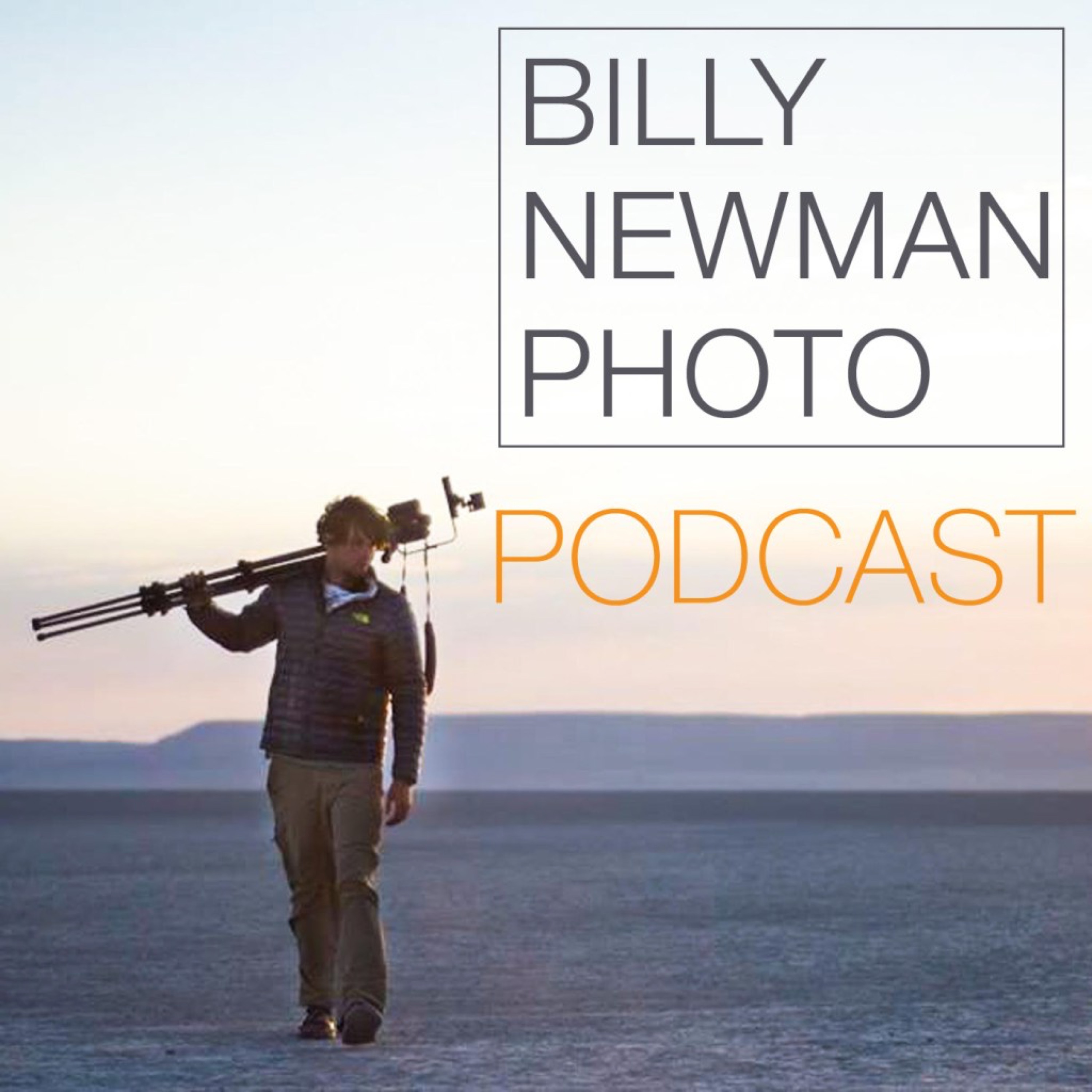
Billy Newman Photo Podcast is a photography field notebook shaped into a long-running audio series. It spends as much time around roads, weather, and camp spots as it does around cameras. A photograph from the Alabama Hills can lead into sunrise light, December sunburn, Lone Pine, and the strangeness of winter shadows in the Sierra Nevada. A stop along Highway 395 can become a memory of Carson City, Bishop, Mono Lake, and a tiny car below snow-capped hills. The show is grounded in places. Southern Oregon's Lower Rogue River, Mule Creek Canyon, the Imnahaw River Canyon, Sahaly Falls, the Mackenzie River, Eastern Oregon, and remote public land all appear as working landscapes rather than scenic backdrops. Photography is treated as a hands-on practice. Episodes talk through film, composition, light, camera bodies, lenses, editing choices, and the slow process of turning a trip into usable images. Gear talk arrives naturally. Sony A7R decisions, older Nikon equipment, manual-focus lenses, GoPro Fusion footage, Final Cut Pro projects, 360-degree video, equirectilinear rendering, H.264 exports, and MacBook Pro limits all become part of the same working routine. The technical sections are specific but not glossy. They sound like someone figuring out a workflow, noticing what breaks, and keeping the useful bits. Outdoor life keeps widening the frame. Episodes move through fire-starting kits, ferro rods, Bic lighters, propane heaters, cold-weather camping, fishing banks, mushrooms, foraging, hunting regions, comet NEOWISE, dark skies, haze, and light pollution. The rhythm is loose. Short points give way to longer trails of memory and practical observation. It rarely feels like a class. It feels more like riding along while someone thinks through what worked, what did not, and what might be worth trying next season. Listeners looking for tight tutorials may find it too meandering. Listeners who like field notes, road details, and the plain mechanics of making media will find a steady, curious companion. Its strongest quality is the connection between visual work and lived terrain. Cameras are not isolated objects here. They are packed into cars, carried near rivers, set up under dark skies, slowed down by computers, and pointed at whatever the trip makes visible.