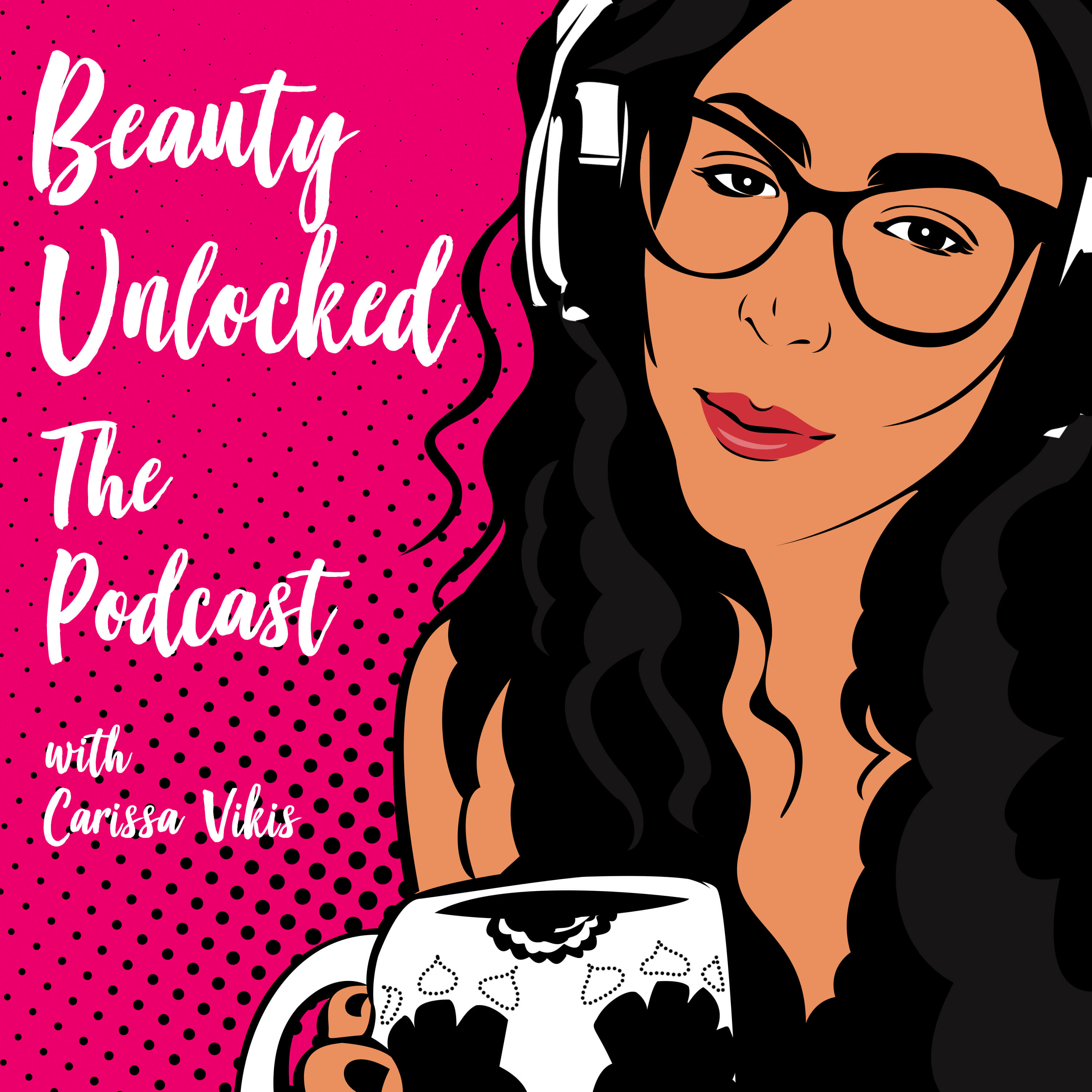
Beauty Unlocked treats beauty as a public record of private pressure. Led by Carissa’s brisk narration, the show turns everyday appearance debates into arguments about power, discipline, desire, and surveillance. It does not treat celebrity bodies as harmless entertainment. Red-carpet commentary becomes a case study in how ordinary people reproduce the old tabloid machine through comment sections, zoomed-in photos, and speculative judgment. Body hair becomes more than grooming. It becomes a way to ask why adult female bodies are so often expected to look smooth, youthful, controlled, and commercially maintained. Thinness returns again and again as a moral signal. The show links slenderness to restraint, austerity, racial hierarchy, colonial thinking, and the old idea that a disciplined body reveals a disciplined self. Glow-ups are handled with similar suspicion. A changed appearance may open doors, but Beauty Unlocked keeps asking what that says about the doors. Cosmetic procedures are not reduced to panic or praise. Botox, for example, is traced from medical use to lunchtime maintenance, with the oddness of that normalization left visible. The male beauty market gets the same treatment. Men’s skincare and grooming are framed as both a loosening of stigma and a new frontier for selling insecurity. The show’s strongest habit is refusing to let beauty culture describe itself as neutral. Products, routines, trends, and preferences are treated as social scripts with costs attached. Academic references appear often, including Michel Foucault, Naomi Wolf, Susan Bordeaux, Sabrina Strigs, and Mark Andrejevic. The style stays accessible, pointed, and fast. It favors claims over hedging. It suits listeners who want cultural criticism with historical range, clean outrage, and a clear thesis. Beauty Unlocked is less about what looks good than about who gets trained to care, who gets watched, and who benefits when that training starts to feel like choice.