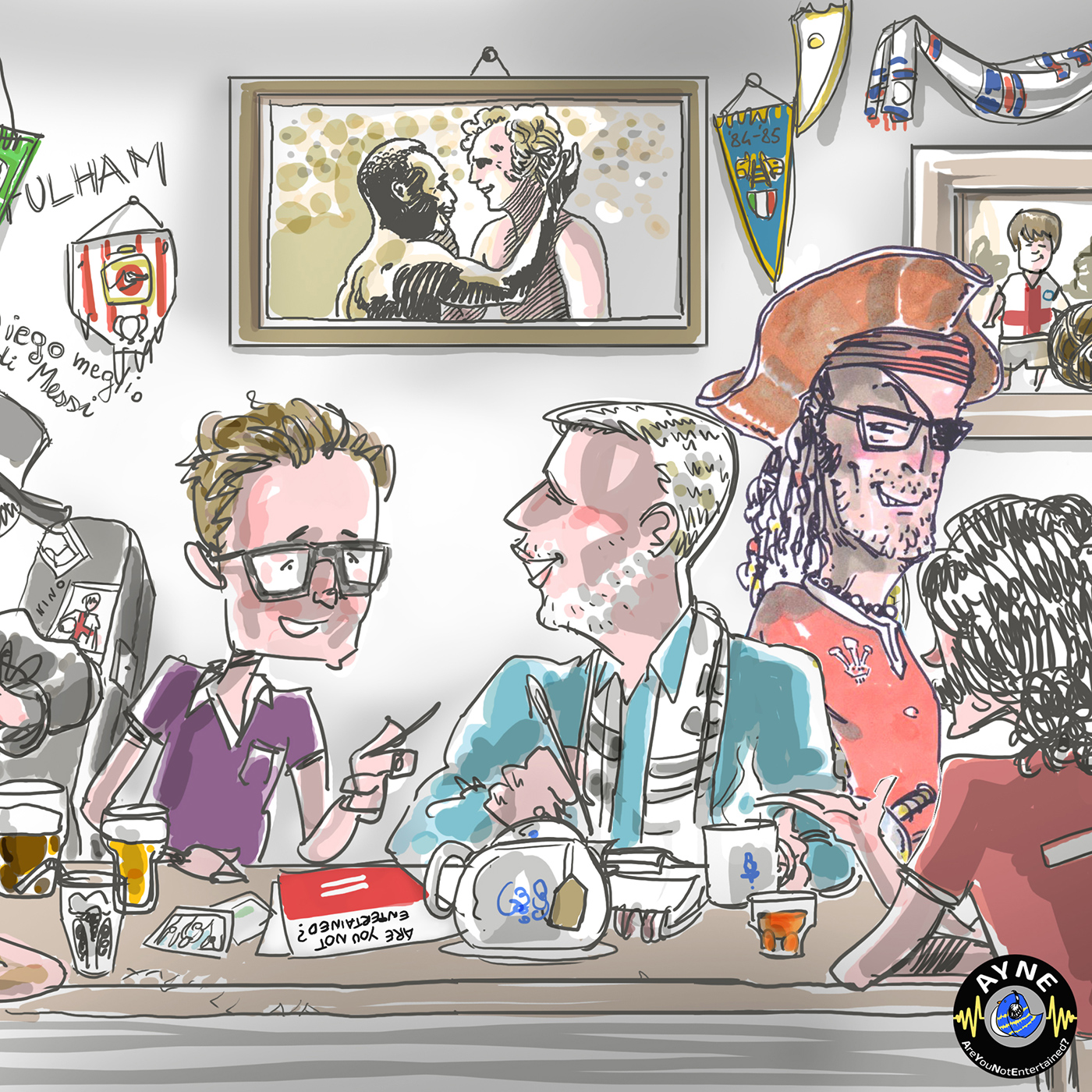
Are You Not Entertained? is a restless sports-business conversation built for listeners who think the result is only the start of the argument. It has a fast mouth and a long memory. Across Goal/Own Goal, The Confessional, The Captain’s Table, and Groundsmen Conversations, the show keeps returning to the same pressure points: why sport costs what it costs, why fans behave the way they do, and why executives keep trying to modernize games without always understanding what made people care in the first place. Roger Mitchell and Grant Williams give the Goal/Own Goal episodes their combative rhythm. One claim gets pushed, interrupted, corrected, mocked, defended, and then dragged back into the wider business of sport. That means Arsenal, Chelsea, golf, social media abuse, flag-planting controversies, aging audiences, short-attention-span theory, and the simple fact that television money changes the conversation. The show is blunt, but rarely empty. It likes a joke. It also likes a balance sheet. The interview episodes give the format more room to breathe. Giles Morgan’s Captain’s Table with Alan Gilpin folds rugby leadership, World Cup history, food, golf, Nelson Mandela, Michael Jordan, Donald Trump, and the Hong Kong Sevens into one sprawling conversation about sport as both institution and social ritual. Roger Mitchell’s Confessional episodes are more probing. With Tal Brown, the show moves through AI, machine learning, sport tech, fundraising, exits, and predictive injury work around Zone7. With Caroline Rowland, it turns toward sports filmmaking, Olympic storytelling, AI content creation, archives, and the marketplace for photography and video. The Jim Kerr special shows another side of the feed: music, football memory, Simple Minds, Stevie Archibald, Spurs, Barcelona, Maradona, and the pleasure of not quite knowing where the conversation will land. Sponsorship and fan-engagement technology are never far away, with Locker Room, Pedal Labs, connected merchandise, verified fan IDs, and digital access points appearing as part of the show’s commercial world. That can make the opening stretches feel branded. Once the conversation gets moving, though, the value is the friction. Are You Not Entertained? works because it lets sport remain messy: emotional for fans, lucrative for rights holders, awkward for institutions, and constantly vulnerable to a better argument arriving halfway through the sentence.