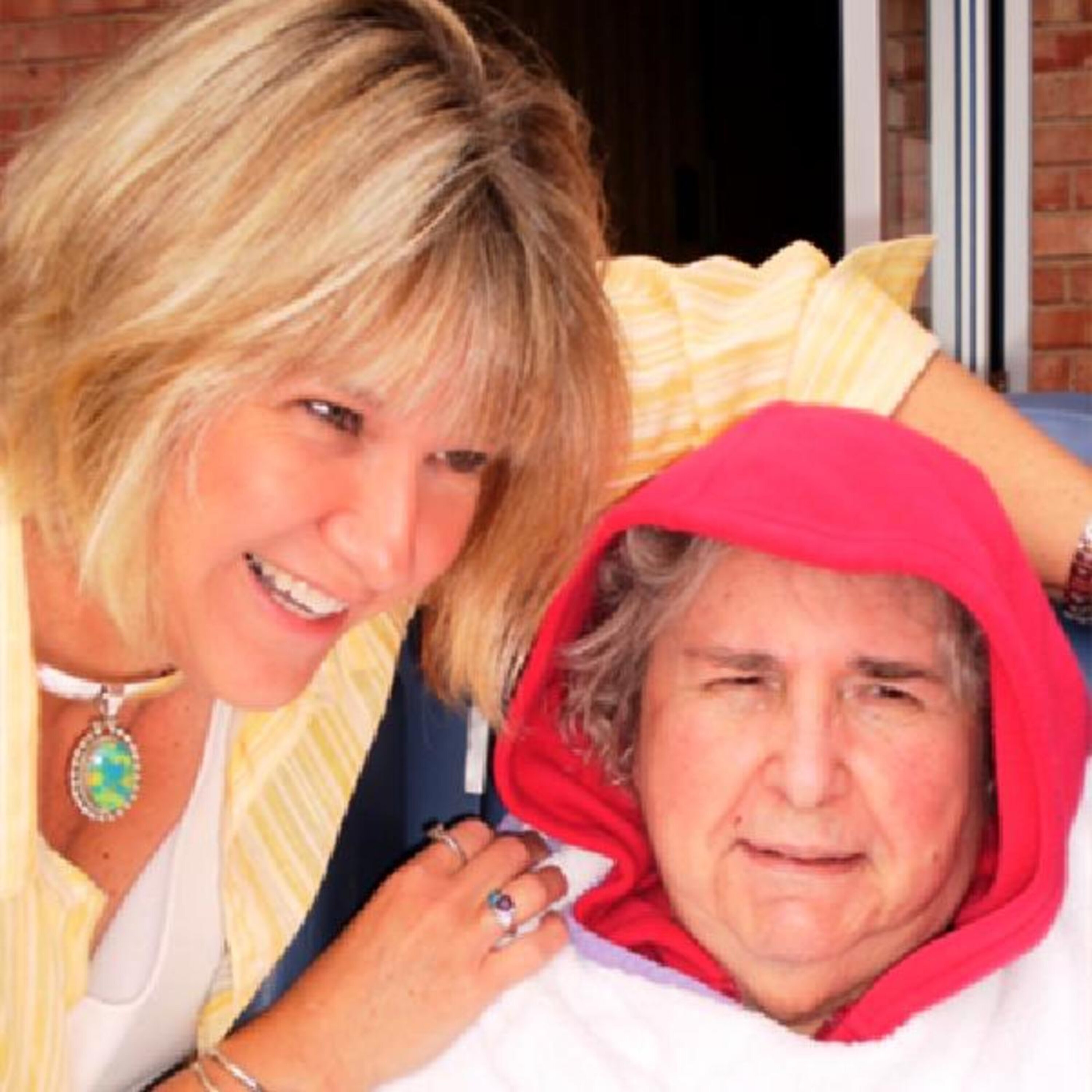
Alzheimer's Speaks is a dementia-care conversation show with a strong emphasis on lived experience. Lori LeBay hosts with a warm, steady style. The program returns often to a central idea: dementia care should move from crisis toward comfort. That gives the show a practical spine, even when the subject matter is emotional. Episodes cover caregiving strain, trauma, identity loss, family roles, and the search for support after a diagnosis changes daily life. The show also spends time with the mechanics of care. One conversation explains how dementia-related behaviors can make more sense when caregivers look at what the brain is struggling to process. Another stresses the difference between doing everything for someone and working alongside them so remaining skills are not lost. These are small distinctions. They matter. Alzheimer's Speaks also makes space for authors and storytellers who use books, memory projects, and intergenerational conversations to help families talk about dementia. Legacy is a recurring theme, especially when episodes focus on grandparents, children, and the emotional bridges between generations. The show is not only clinical or instructional. It is also rooted in personal accounts of marriage, young-onset illness, loneliness, faith, online support groups, and the hard work of rebuilding a sense of self. Resource sharing is part of its rhythm, with mentions of AlzheimerSpeaks.com, Dementia Map, open mic conversations, and care-oriented services. The pace can feel like a community radio room: conversational, earnest, sometimes promotional, and often deeply practical. Its best use is as a companion for people trying to understand dementia from the inside of caregiving. It gives professionals useful language, too. Family caregivers may come for ideas about agitation, sequencing, support groups, or hospital stays, then stay for the honest emotional context around those decisions. Alzheimer's Speaks stands out by treating expertise and lived experience as parts of the same care conversation.