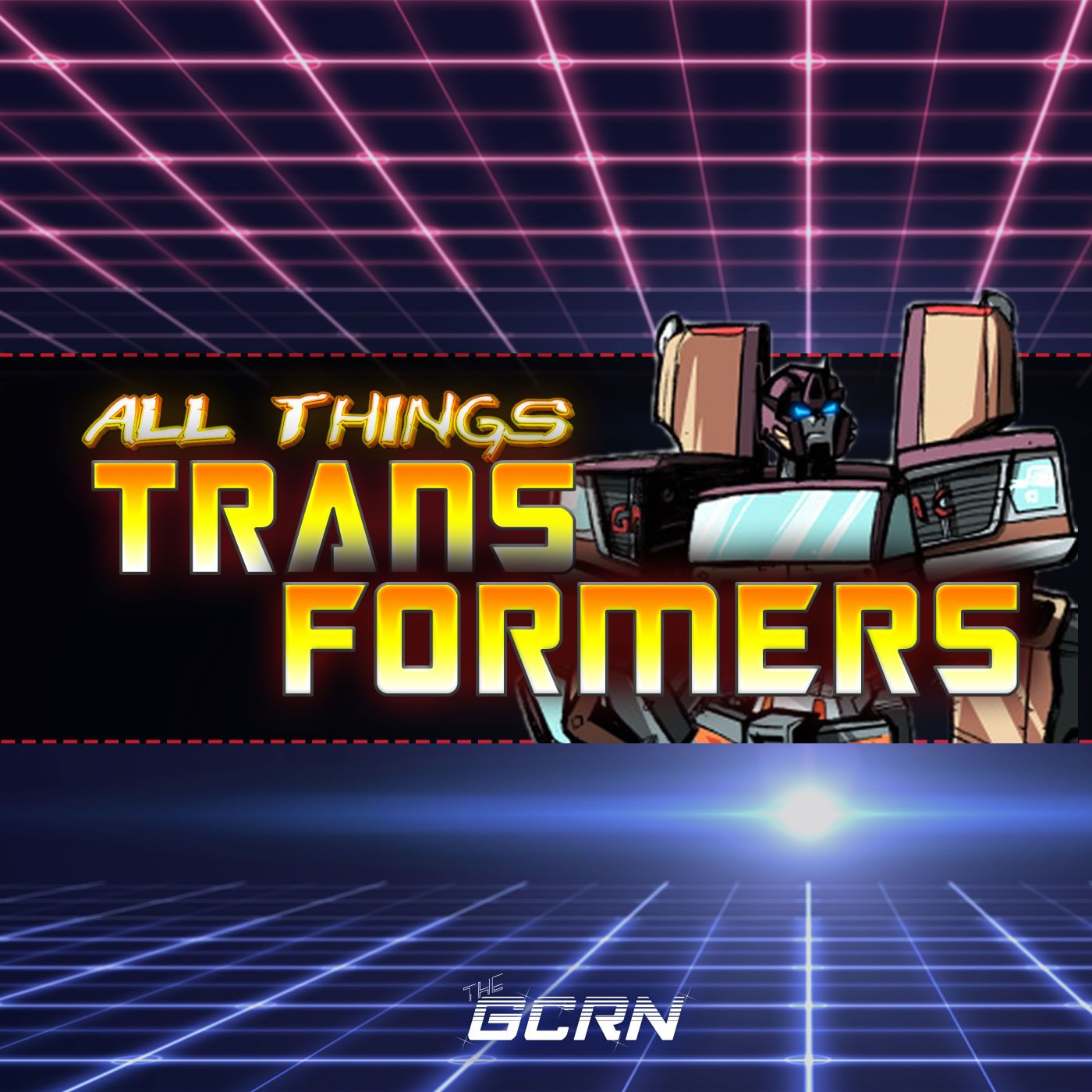
All Things Transformers opens the same way every time, with a Sentinel Online cold open and Steve Megatron welcoming TFG1 Mike into what he calls an adventure into the Transformers fandom. What follows is rarely tidy. The two work through whatever has happened in the franchise since they last recorded, and they only record when something has. Toy news carries most episodes. They compare in-hand images against earlier releases, argue about whether a battle-damaged Megatron gets the scene right, and track Studio Series 86 figures that keep sliding down the release calendar. Pricing is a recurring sore spot. A Voyager-class figure hitting 42.99 gets its own stretch of stunned back-and-forth, and a 46.99 price point draws open frustration even from a host who admits he was not going to buy it anyway. Comics get equal weight. The Skybound Energon Universe line comes up constantly, with attention to Robert Kirkman taking over writing duties after Daniel Warren Johnson's arc ended, and to which variant cover should have been the main one. Franchise business news makes the cut when it matters, like Eric Siebenaler returning to the Transformers design team, or a teased animated series, or Dan Mora's exit. Conventions appear on the calendar too, including TFcon and Beast Wars 30th anniversary coverage, sometimes with a guest brought on for a recap. The digressions are not incidental. One host spends part of a cold open explaining that the Megatron mug he 3D printed fits his youngest child instead of his own face. Another stretch turns a Black Friday sales sweep into a general grumble about retail. Birthdays, aging, and being older than the Transformers themselves all get airtime. The tone swings hard within single segments, from excitement to exasperation to nostalgia and back. Some of the sharpest material comes when they push against the franchise itself, questioning what a collectible that recreates a character's death is actually selling to adults. The show does not pretend to be objective, and it does not slow down for newcomers. Toy-line shorthand, master-piece numbering, and continuity references go unexplained because both hosts assume the person listening already knows. Listener input shapes the run of topics; episodes close with an invitation to email or comment with what should be covered next, whether that means more news or speculation about upcoming figures and shows. Episodes sign off with the show's own catchphrases about transforming and transcending. For a fandom this old and this documented, the appeal here is not authority. It is two people who have followed all of it for decades, saying exactly what they think.