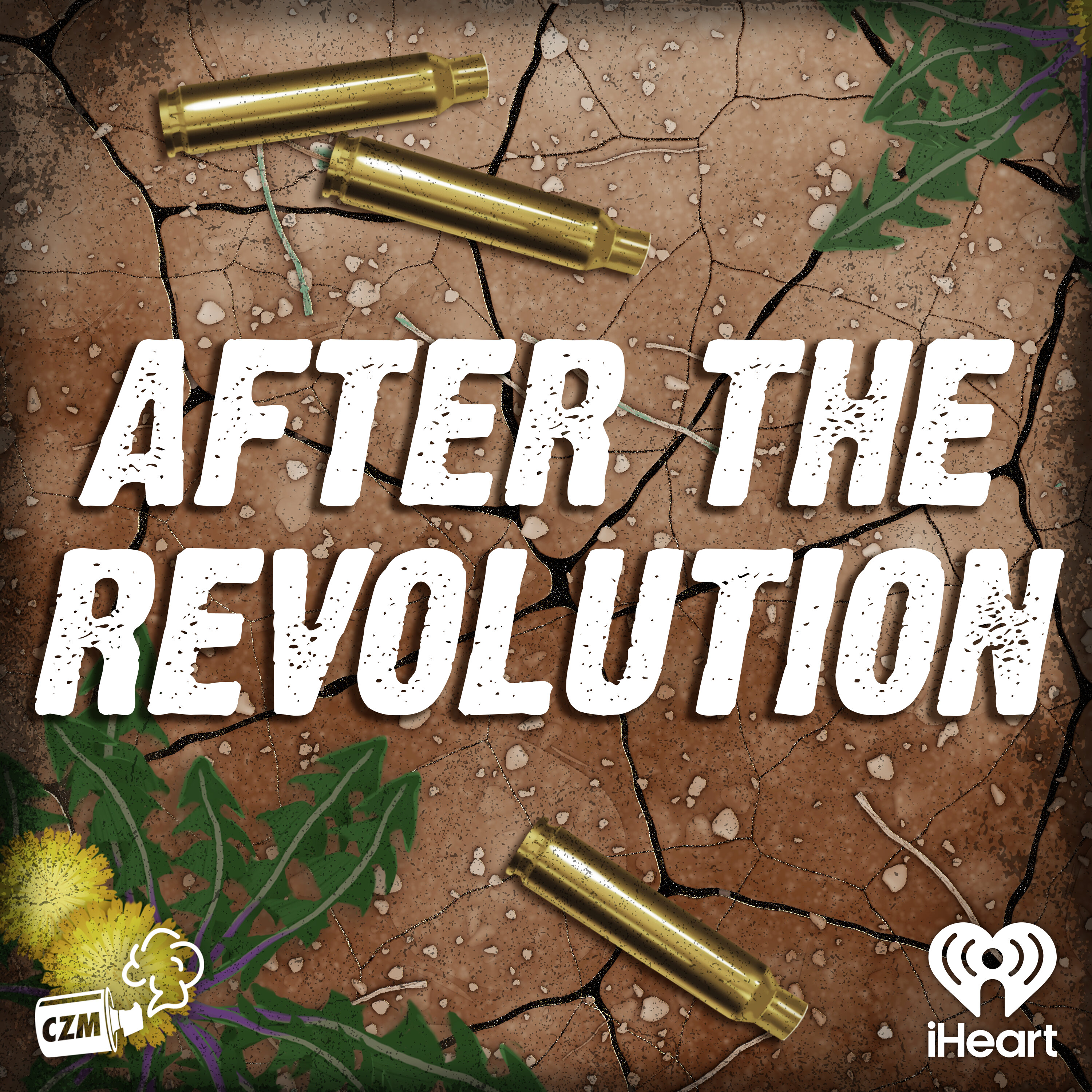
After the Revolution is serialized dystopian fiction built for listeners who like their science fiction close to the ground. The future here has dust on it. Its Texas is not a glossy ruin, but a living warzone of broken roads, emergency medicine, armed factions, religious fervor, posthumans, veterans, and people trying to make one more practical decision before the next disaster arrives. Manny’s strand brings the fixer’s view: dangerous errands, nervous reporters, improvised alliances, and the constant sense that cleverness may not be enough to escape the place that made him. Sasha’s story is colder and more intimate. Her arc follows a young extremist learning how institutions turn shame, usefulness, and approval into loyalty. Roland gives the show its most brutal speculative edge. He is an old veteran with U.S. army cyber-ware, missing memories, and a body that makes death feel less like an ending than another technical problem. The show is fascinated by that contradiction. It can describe rockets, armor, and tactical hardware with exactness, then pivot to the embarrassment of wanting comfort, the ache of memory, or the bleak comedy of people partying beside catastrophe. Posthumans, Republic of Texas politics, militant faith, emergency medicine, and escape fantasies all recur. So does the question of what a future is worth when every faction claims to own it. The narration favors scenes over lectures. A vehicle hits a bad road, a prayer room becomes a trap, a workshop becomes a factory for killing, and an Austin sunset carries the weight of goodbye. Its humor is dry rather than light. Its violence is graphic rather than decorative. The appeal is in the friction: pulp momentum, political despair, body horror, and humane attention to people who keep talking even when history has already put them in the furnace.