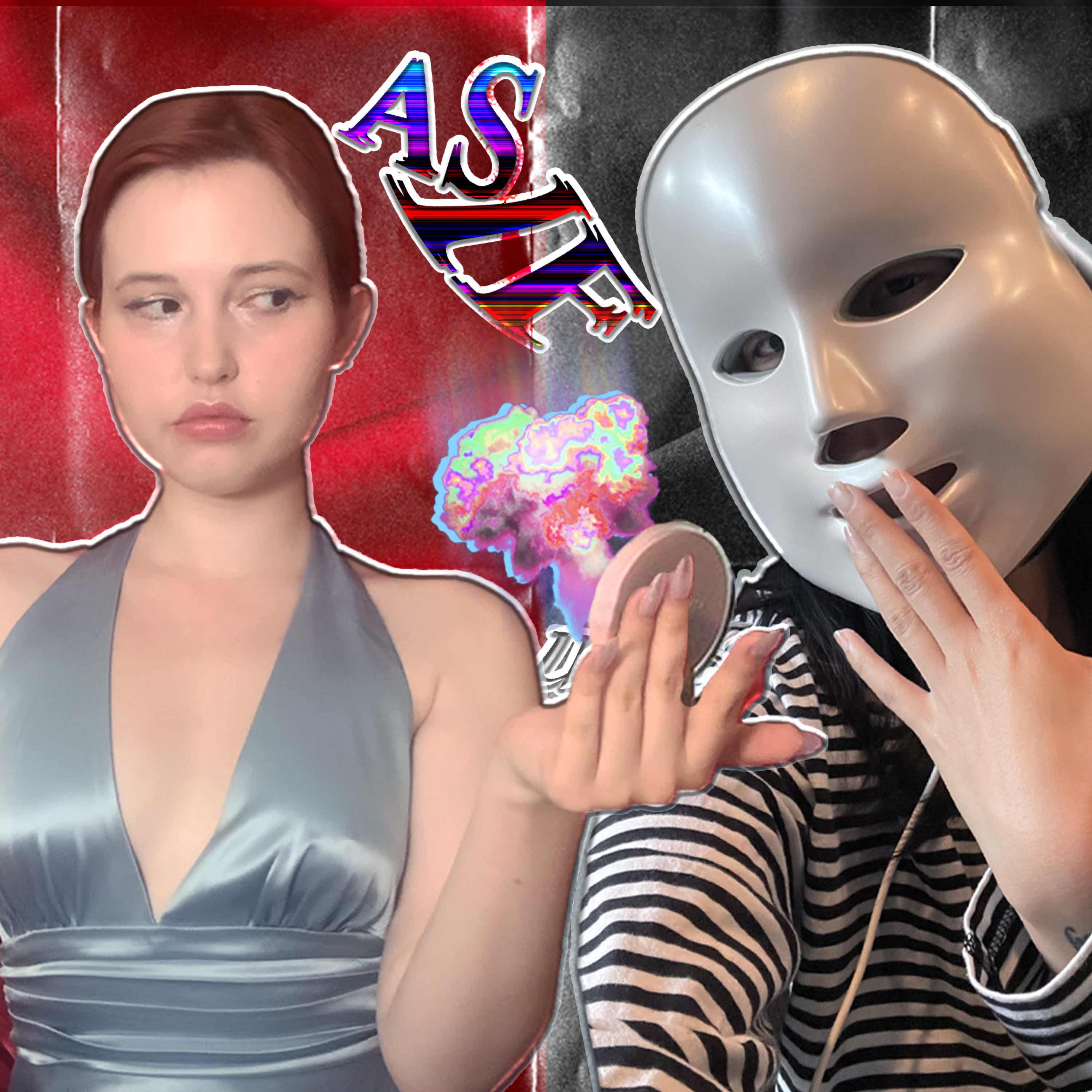
Ugh, As If! - contemporary art and culture podcast · Lisa Fevral

Vanity Fair White House photoshoot - 4x11

·46 min·2 clips
The speaker says Caroline Leavitt's image got attention because viewers can see the injection marks on her lips.
1. Ugh, As If! covers Vanity Fair's White House photoshoot by Christopher Anderson and the online reaction to it. 2. The speaker frames Christopher Anderson as a photographer working in photojournalism and says Vanity Fair's Paul Whipple brought readers inside the White House. 3. The episode asks what the photos mean, why they look the way they do, and why people are reacting so strongly to them. 4. The speaker says the article is a two-part feature about half a dozen of Donald Trump's closest advisors, including Susie, Stephen Miller, Marco Rubio, Carolyn Levitt, and JD Vance. 5. The discussion focuses on Anderson's statement that the ultra-tight shots were not cropped and that he was standing very close. 6. The speaker repeatedly describes the images as warm-toned rather than cool-toned and says the yellows and cyan look visibly pushed. 7. The episode contrasts photojournalism with editorial photography and says Anderson's work is not heavily retouched in the way stylized images often are. 8. The speaker argues that critique should come from people who know the craft, such as art historians or trained practitioners. 9. The discussion links that distinction to journalism, saying professional criticism has been devalued and many public commentators avoid ruffling feathers. 10. The speaker expands the argument to algorithms, YouTube, TikTok, copyright strikes, and AI systems that read the context of scripts. 11. The episode claims platform AI now understands the overall video context, which makes simple word substitution less effective for avoiding moderation. 12. The speaker advises saving important channels, pages, and articles in a notes app because feeds can shift away from political and local concerns. 13. The episode also describes how watching one right-wing video can quickly flood a feed with similar content. 14. The speaker says Caroline Levitt's portrait drew attention because viewers could see injection marks on her lips. 15. The photographer says he chose not to remove or minimize those details, which the speaker reads as a choice about what the image reveals. 16. The episode adds a broader point about shame, saying public mockery can deter behavior and that power should not excuse destructive conduct. 17. The tone is conversational, combative, and reflective, with frequent interruptions, asides, and direct address to the audience. 18. The format moves from photo analysis to cultural criticism, then into platform politics and personal commentary. 19. Listeners who like art criticism, media analysis, and political image reading. 20. Listeners looking for a tight, low-context, purely visual episode.
Listen to the show on