Ugh, As If! - contemporary art and culture podcast · Lisa Fevral

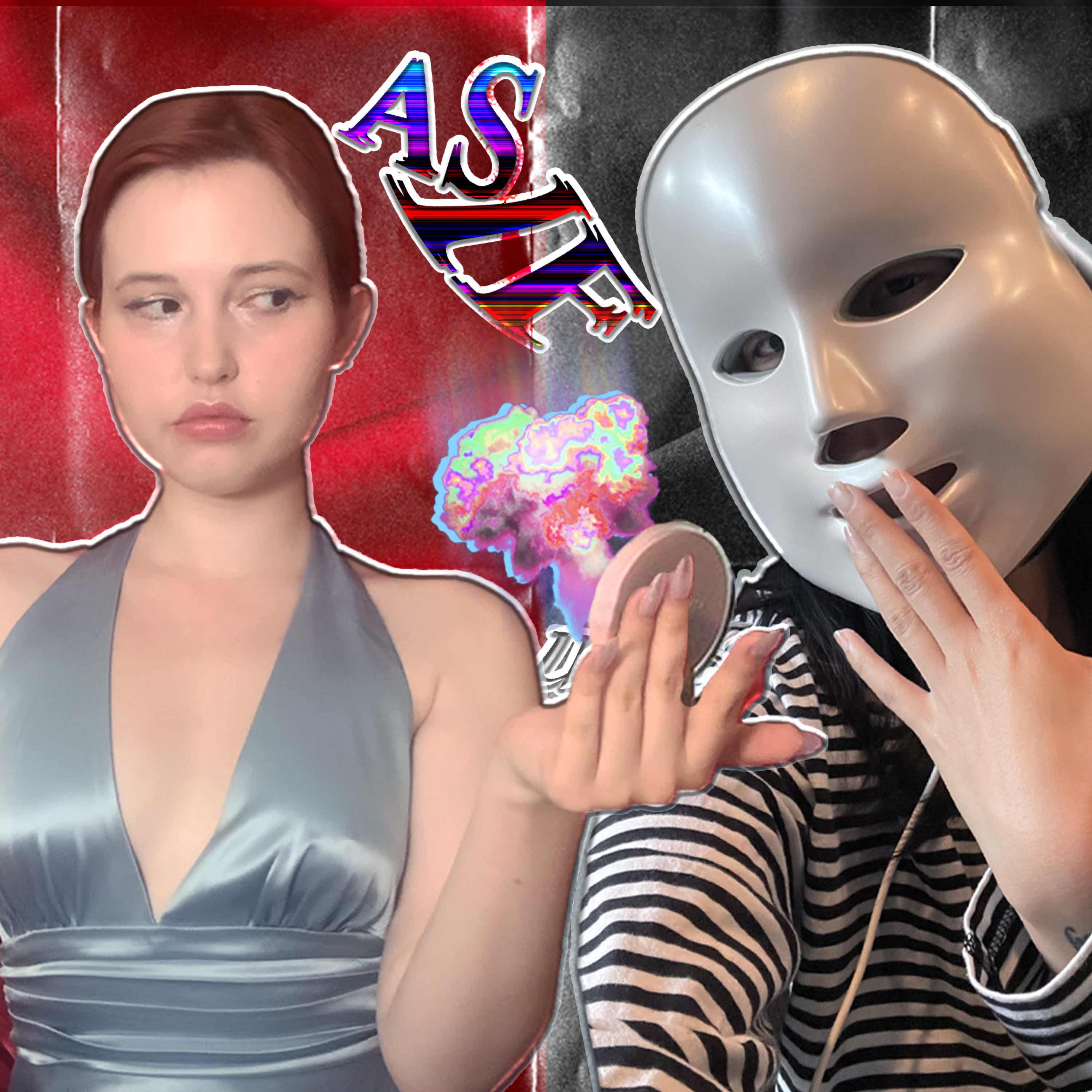
Fiona Apple, Zemfira, and art concepts about justified anger - 4x16

·42 min·3 clips
Why does the host find some feminist art dangerously close to repackaged patriarchy?
This episode explores confessional and conceptual music by women and non-binary artists, focusing on themes of gender, violence, and power. The host, a cultural critic, connects listener-submitted work with major artists like Fiona Apple and the Russian musician Zemfira. They analyze a through line in these artists' approaches to production and lyrical content. The discussion centers on the album *For Anita* by G Northway, which addresses gender-based violence and was created without male involvement. The host compares this to Fiona Apple's early career controversies, specifically the criticism of her "Criminal" music video at age 18. They also examine the Russian artist Zemfira, noting her 90s-era hit songs and describing her as a "Russian Fiona Apple." A key topic is the tendency of some Western artists, like Tori Amos, to incorporate concepts of the "divine feminine" and nature-centric spirituality. The host contrasts this with Zemfira's work, which they feel avoids this pattern. A surprising claim is that a focus on "womb-centered" femininity can feel like repackaged patriarchy and may act as a pipeline to right-wing ideologies for open-minded audiences. The host finds it notable that Zemfira's music, despite its conceptual similarities, lacks this specific flavor. They delve into the musicality of these artists, noting how unconventional melodies and chord progressions common in indie and Eastern European music can sound jarring. The episode also dissects the lyrical content of two songs from *For Anita*: "The Language" and "Cowards." "Cowards" directly references the 1994 case of Lorena Bobbitt, sampling media that mocked her trial. The host reads an email from G Northway defending the song's stance, which is to "stand with imperfect survivors unconditionally." This leads to a broader cultural commentary on responses to violence. The host shares a personal anecdote about being taught to fight back physically if attacked, contrasting this with their perception of a Canadian cultural preference for docility. They argue that this social pressure against aggression hinders genuine community building against real threats. The tone is informal, analytical, and personally reflective, jumping between artists and ideas in a stream-of-consciousness style. The host frequently references their own background and reactions to the music. This episode would appeal to listeners interested in feminist music criticism, cross-cultural artistic analysis, and discussions about anger and justice. It might not suit those seeking a tightly structured narrative or those uncomfortable with critiques of spiritual femininity.
Listen to the show on