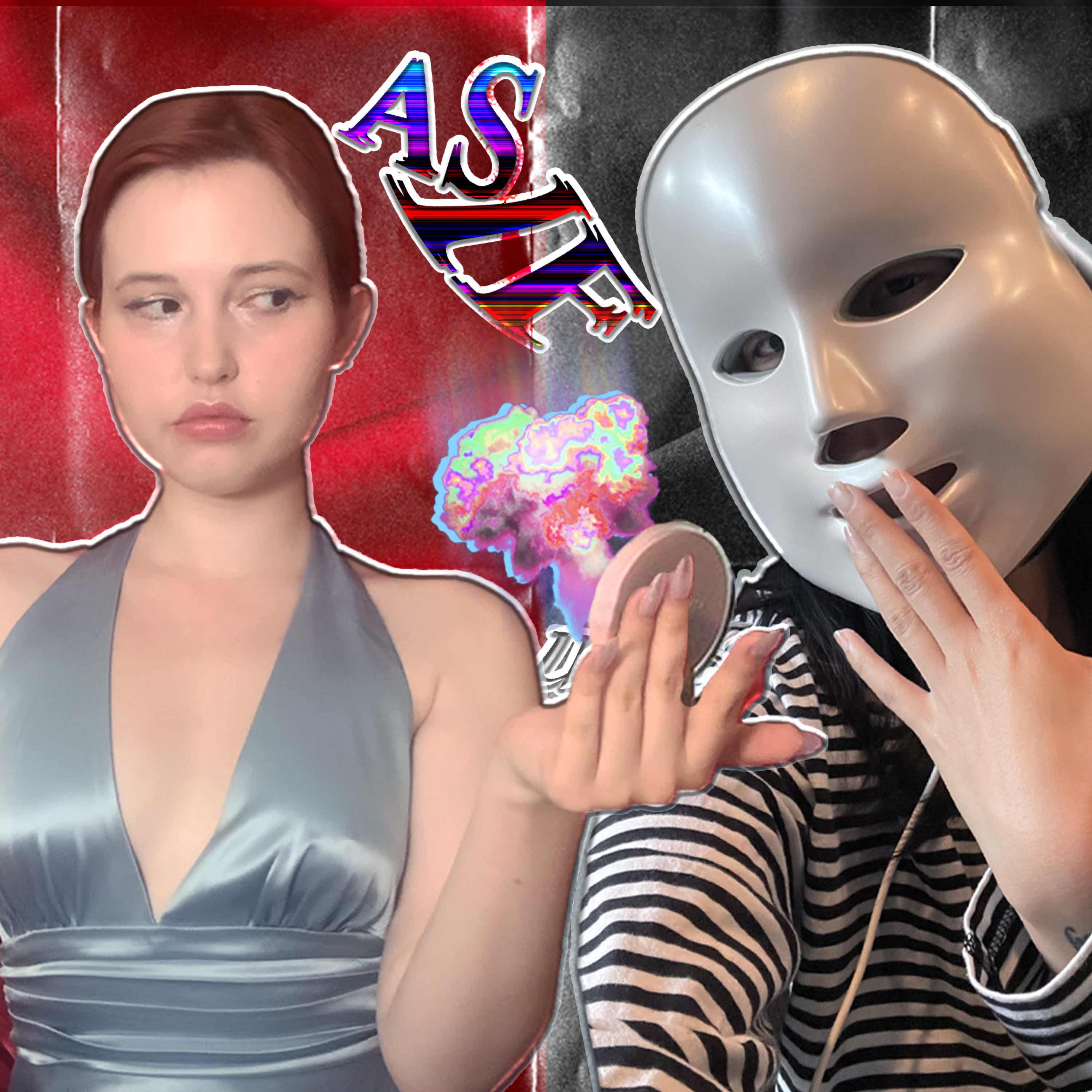
1. Ugh, As If! frames this episode around a Diary of a CEO clip and a Harry Styles ticket-price controversy.
2. The host is the unnamed Ugh, As If! speaker, who links contemporary art criticism, pop culture, and politics across the episode.
3. The episode asks whether a polished public message, like “treat people with kindness,” can mask aggressive pricing and ideological bias.
4. The Diary of a CEO clip includes the line that “a huge amount of men between the age of 15 and 50 will not pass on their genes.”
5. The speaker rejects the comparison between non-procreation and cancer or virus survival, calling it insulting to people dealing with illness.
6. The argument expands into a critique of framing social intervention as a solution to men who are “disillusioned,” “incels,” or resentful.
7. The speaker says the discussion sounds like “literal slavery” or “trafficking, but institutionalized” when applied to women as mates.
8. The tone turns from that clip to Harry Styles, with specific focus on “dynamic pricing” and ticket costs.
9. Stadium seats are described as reaching about $1,000, while UK prices are discussed around 700 pounds and about 500 on added dates.
10. PinkPantheress is used as a contrast because she reportedly opted out of dynamic pricing and kept general tickets around $70.
11. The host criticizes Harry Styles’ “treat people with kindness” slogan as a shield against criticism rather than a meaningful ethic.
12. Selena Gomez’s “kill them with kindness” is cited as another example of a soft slogan used by fence-sitters.
13. The episode says journalists should state their biases openly, naming CBC as an example of a system that pretends neutrality.
14. The speaker describes Arianna Grande’s Vogue Japan shoot as having “six fingers,” pointing to AI editing in a dull floral image.
15. Darren Aronofsky’s AI movie trailer is dismissed as lacking the commitment needed for camp, with reference to Susan Sontag’s camp theory.
16. The episode argues that camp requires effort, heightening, and commitment, not just a button-press or empty novelty.
17. The delivery is fast, exasperated, and riff-heavy, moving from politics to pop culture without formal transitions.
18. The format is a solo commentary with digressions, examples, and direct address to listeners.
19. Best for listeners who want pop-culture criticism tied to pricing, branding, and media ethics.
20. Skip if you want a tightly focused episode on one subject only.