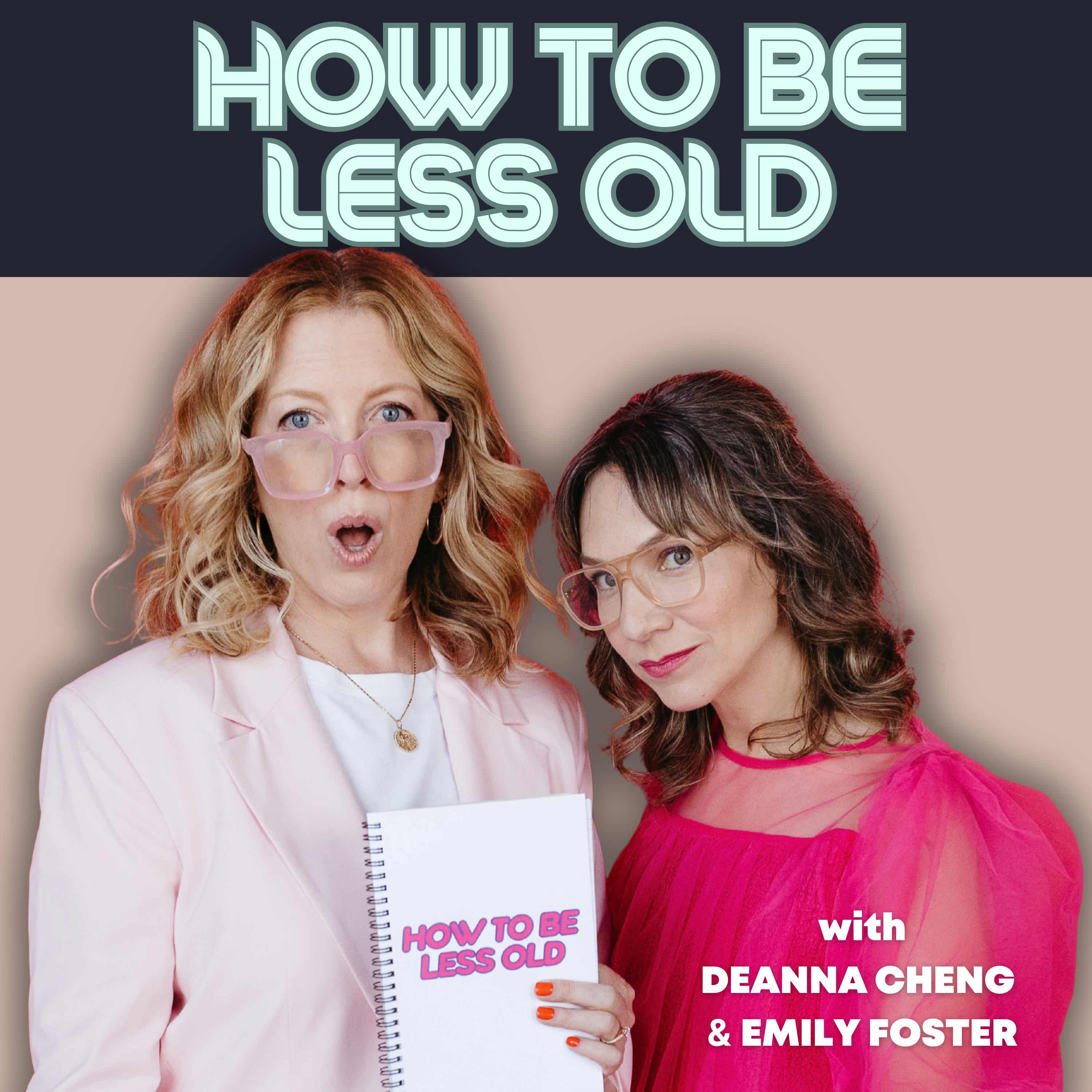
How To Be Less Old Podcast · How To Be Less Old

We Got Frame-Mogged by a Business Insider Journalist

·58 min·5 clips
Deanna Chang and Emily Foster start with a translation job. They talk through `foids`, which they describe as a shortened form of `femoids` and, in this context, a word that just means girls. The joke lands, but it also points toward the real subject. Katie Notopoulos joins them from Business Insider with a reporter's eye and a sharp feel for how these trends actually move. Katie explains that what looks like random viral chaos is often a business with structure behind it. The hosts keep coming back to the question of how a clip becomes valuable. Part of the answer is follower count. Accounts with big audiences can turn attention into money, which gives them an incentive to find the most biteable moment and frame it in the most shareable way. Clavicular becomes the episode's main example. Katie walks through the streamer ecosystem around him and how clippers operate inside it. Some of them are not just posting for fun. They may be paid by the streamer, paid by the platform, or both. That double-dip setup makes the whole thing feel less like pure fandom and more like a small media industry built on repetition and speed. The hosts keep the tone loose. That fits, because the conversation is really about confusion as a method. They use the example of gesture maxing, then widen it into a bigger question about how slang gets used, repeated, and made easier to read by the people clipping it. The pace stays fast and conversational, which suits a show that likes to think out loud rather than act like it already has the answer. Katie is especially good at making the mechanics plain. She talks about how platform bonuses can reward posts that travel. She points out that the same clip can be monetized in more than one place. She makes the vocabulary feel less mystical and more like a set of incentives. That does not make the internet less strange. It just gives the strangeness a shape. The episode also has a nice sense of comic proportion. The hosts clearly enjoy the absurdity of the language. They do not treat `gesture maxing` like a sacred code or a moral panic. They treat it like a live field study. That is why the conversation works: it can be amused without sounding dismissive. By the end, the episode has moved from slang to labor to platform design without losing its sense of play. It leaves you with the feeling that viral language is never just language. It is a signal, a product, and a kind of work at the same time.

As heard by us

A clear look at slang, clip culture, and the incentives that can make viral internet accounts pay off.

How To Be Less Old opens with banter, then gets into slang, clippers, and the business model behind viral accounts. Deanna Chang and Emily Foster bring in Katie Notopoulos, Senior Correspondent for Business Insider, to sort through terms like gesture maxing, foids, and the…

Read the full review in PlayNext →

Why you'd press play

If you want the business of `gesture maxing`, this is your lane.

Read the full recommendation in PlayNext →
Listen to the show on