General Physical Podcast · Gregory Dzemaili

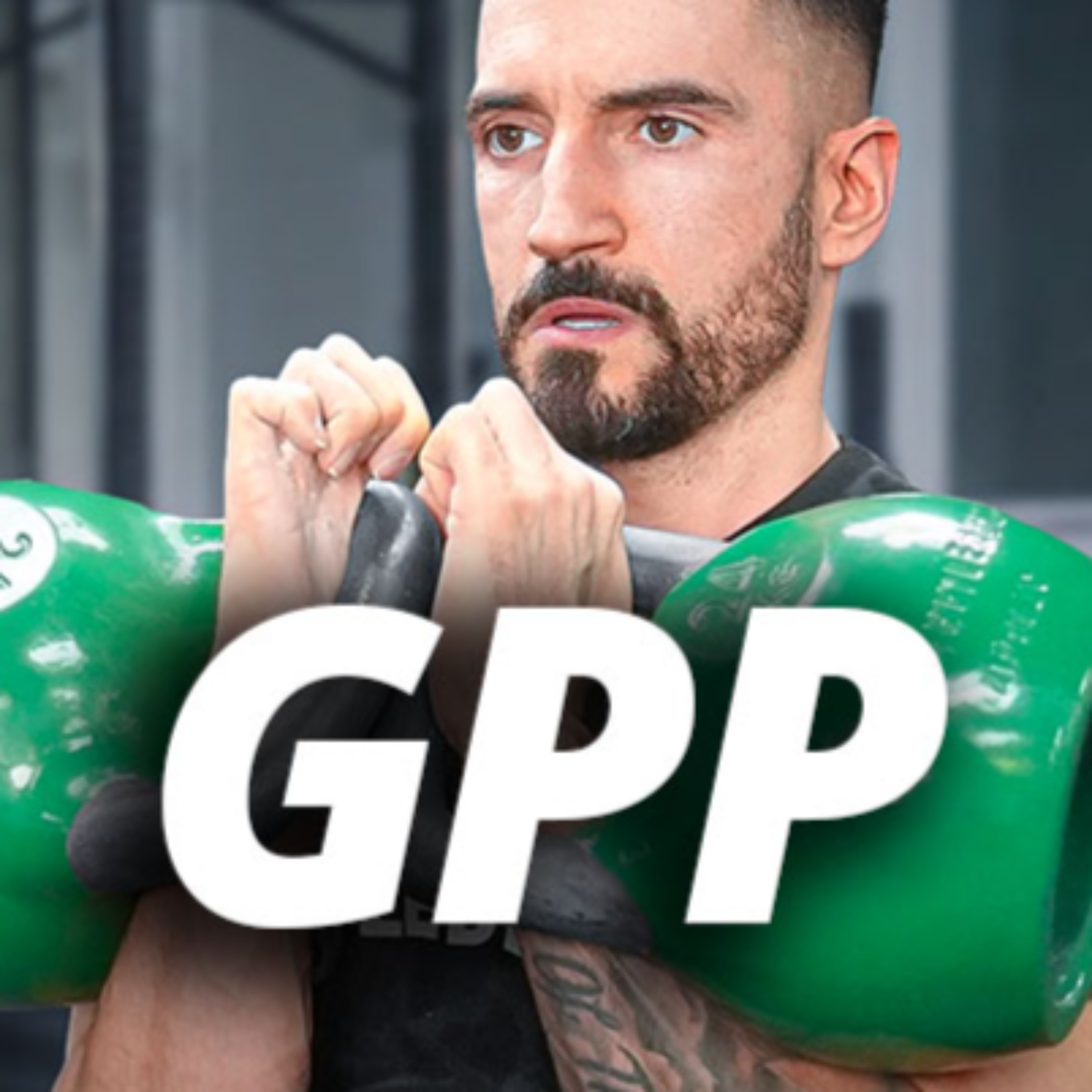
Iron Meditation - Michael Son | Kettle Knights #73

March 9, 2024·2 hr 42 min·5 clips
Today I have with me coach Michael Sun, an internationally recognized kettlebell sport coach.
Michael Sun brings a Soviet Union kettlebell sport background to the room. The host opens by explaining how they connected and how the conversation had already been bouncing around before the recording started, which gives the exchange a loose, friendly feel. That matters because the talk never settles for a slogan. It keeps moving toward the practical question of how kettlebells should actually be programmed. Breathing shows up early as one of the main dividing lines. Sun explains that even a brief interruption in the breathing pattern changes the character of the set, especially once the bells get heavy and the work starts to demand real control. He is very clear that this is not just about looking athletic. The deeper point is how the body organizes effort. From there he turns to the common split between kettlebell sport and hard style. His argument is that the two were separated and sold differently, when in practice both matter if someone wants to keep producing useful work. Strength matters. Endurance matters. He keeps bringing those two ideas back together. He talks about maximal tension, explosive output, and neuromuscular recruitment as tools that let an athlete create force on demand. He also connects those tools to recovery, because the point is not to do one hard rep and stop. The point is to recover well enough to keep stacking quality volume. Aerobic capacity enters the picture for the same reason. If an athlete can recover between efforts, they can do more sets, move more weight in less time, and make the whole session more efficient. The conversation does not stay locked inside kettlebells either. Barbells and other strength training come up as a way of making the kettlebell sport pieces feel easier and more repeatable. Sun treats harder strength work as something that teaches the body how to contract maximally without losing composure. That changes the feel of a jerk or long cycle set in practical ways. He keeps returning to the idea that kettlebells touch almost every part of human performance. Not in a magical way. In a broad, gritty, useful way. The host presses him on the bigger training logic, and the response is always the same: athletes need a mix of strength, endurance, and the ability to produce work again and again. The ratio changes by person and by sport, but the ingredients do not disappear. That is why the talk has a real coaching-room texture. It moves through quick clarifications, repeated affirmations, and the occasional digression that reveals a deeper training belief. By the end, Sun lands on a plain idea that feels bigger than the style debate. Kettlebells should be a mirror. The athlete should make the tool their own instead of using it as a badge for one camp or another.

As heard by us

A technical kettlebell conversation about why strength, endurance, breathing, and style camps all belong in the same training picture.

Michael treats kettlebell sport less like a niche event and more like a way to understand work, recovery, tension, and endurance. He starts with his Soviet Union background, then spends the stronger middle stretch arguing that sport style and hard style were split and sold as…

Read the full review in PlayNext →

Why you'd press play

If you want kettlebell programming without the style-war nonsense, start here and listen close.

Read the full recommendation in PlayNext →
Listen to the show on