Topics / Rock & Album History
Rock & Album History Podcasts
5 shows and 2,780 episodes sit under Rock & Album History.
Podcasts that dig into rock records, album canon, Hall of Fame debates, and the scene memory behind the music. From concept albums to regional oral history.
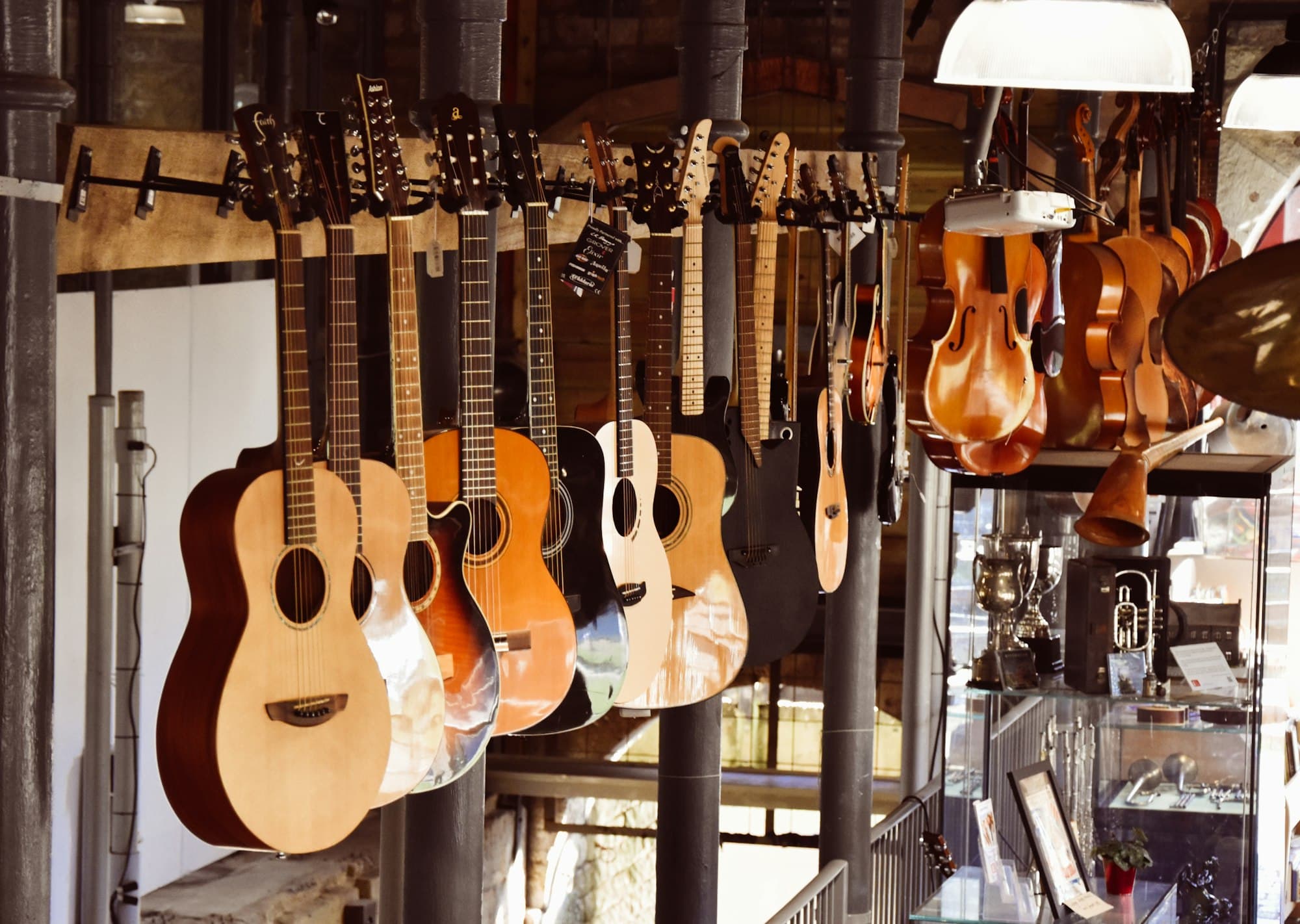
Photo: Dan Stephens on Unsplash · Unsplash License
Swipe · Rock & Album History only
Swipe through Rock & Album History
Save time discovering your next favourite podcast by listening to just the best minute of an episode.
The rock & album history slate · every cover a link
All 5 rock & album history shows →


Next to this on the shelf
Choose a subtopic
Your guide
What you'll hear on Rock & Album History podcasts
The best episodes begin after the familiar mythology has worn off. They ask what changed inside a band, why one record outlived another, or how technology and commerce bent rock’s sound. The records remain central, but so do the arguments around them. That tension gives this corner of music history its bite.
The long view, moving fast
Ongoing History of New Music works in brisk solo-documentary mode, stacking chronology and specifics without turning the story into homework. The History of Distortion and Feedback puts sound itself under examination. The Roots of the CanRock Explosion of the 90s shifts the scale to a scene, while The Weird History of Concert Tickets Part 1 and The Weird History of Concert Tickets Part 2 follow the business surrounding live music.
The show is especially useful when you want a clean historical line through a messy subject. It can also pivot neatly from technology to catalog culture: The Golden Age of Synths, as told by OMD sits comfortably beside A Triple Ramones Anniversary Tribute.
Albums as arguments
History in Five Songs with Martin Popoff sounds like a record obsessive thinking aloud, complete with long comparison chains and blunt verdicts. The pace is brisk, but the real pleasure is the attention paid to texture, sequencing, production, and catalog position.
Its album questions are wonderfully specific. The Curse of the Second Live Album, Greatest Comeback Albums, and Bands with Under-Performing Early Classics all announce debates rather than surveys. Live Albums That Meant Little and Peaked with a Live Album make a sharp pair. This is the place for listeners who enjoy having their settled rankings disturbed.
Books, memoirs, and the machinery around rock
New Books in Music slows everything down. Its rotating interview format is patient and conversationally academic, giving guests room to connect music with memory, labor, politics, and industry structure.
The rock material reaches well beyond album-by-album criticism. Melissa Auf der Maur, "Even the Good Girls Will Cry: A '90s Rock Memoir" (DaCapo, 2026) brings memoir into view, while Mike Huguenor, "Elvis Is Dead, I'm Still Alive: The Story of Asian Man Records" (Clash, 2026) points toward independent-label history. The surrounding media world appears in Peter Richardson, "Brand New Beat: The Wild Rise of Rolling Stone Magazine" (U California Press, 2026). Choose this show when you want the context to keep widening.
History by calendar date
Music History Today Network delivers a much faster briefing, moving through dense facts with plain explanations and dry asides. Its dated format creates unexpected collisions. Run DMC & Aerosmith Release Walk This Way, Fillmore West Closes: Music History Today Podcast July 4 joins a recording landmark to a venue ending, while Brian Jones & Jim Morrison Die, Ziggy Plays Guitar 1 Last Time: Music History Today Podcast July 3 compresses several pieces of rock memory into one entry.
For a single-album stop, Classic Rock Album Olympics includes Pet Sounds by The Beach Boys...Episode #21. Start there for the clearest introduction to the show's place on this page.
If these stories make you want a wider field, move up to Music History. Eras & Movements follows broader periods and cultural shifts; Genre Histories traces the development of particular musical traditions. Stay here when the record, the band, or rock’s surrounding machinery is the main event.
Where to start
Begin with The History of Distortion and Feedback for a brisk technical history. Try Greatest Comeback Albums when you want an opinionated catalog argument. Pick the Melissa Auf der Maur interview for a slower, book-led conversation. For a rapid snapshot of several rock landmarks at once, use the July 3 episode of Music History Today Network.
Featured shows below are part of the PlayNext catalog. Updated weekly.
Featured shows
5 shows, described rather than listed
Each one comes with a short write-up and the role it plays in this guide.
One album per episode — Sticky Fingers, Pet Sounds, Are You Experienced. The cleanest entry into album-first rock history.
Day-by-day rock landmarks and Hall of Fame cases, including Black Sabbath's debut and Boston's induction argument.
Author interviews on album books, rock memoirs, and concept-album criticism — patient, bookish, and rotating.
Treats albums as career turning points. The Curse of the Second Live Album and Greatest Comeback Albums are the best starting episodes.
Alt-rock lane: one-hit wonders, post-rock explainers, and cover-song archaeology. Good when the question is how a style got named.
Where to start
4 routes in, one per reader
Puts one record on the table per episode and works from there — no filler, just the album.
Has the full slate of induction arguments: Iron Maiden, Billy Idol, INXS, Boston, and the day-by-day rock calendar.
Rock history filtered through published scholarship and memoir. Start with the Springsteen album-by-album or the concept albums book.
Oral history of Michigan rock with the local grain that national list-making shows leave out.
Glossary
Words hosts use without explaining
A record built around a unified theme or narrative across all tracks, treated as a single artistic statement rather than a collection of singles.
A Cleveland institution that annually inducts artists considered foundational to rock history, often generating debate about omissions and criteria.
Alternative rock — a broad label for guitar-based music that stood outside mainstream commercial radio from the mid-1980s onward.
Instrumental rock that uses guitars, bass, and drums to build texture and dynamics instead of conventional song structure or vocals.
An artist who achieved significant chart success with a single song but did not sustain a mainstream presence beyond it.
A research method that captures firsthand accounts through recorded interviews, preserving the personal and regional texture that written histories often skip.