Topics / Political News Analysis
Political News Analysis Podcasts
2,507 shows and 627,411 episodes sit under Political News Analysis.
Listen to political arguments, polling, headlines and interviews from Pivot, FiveThirtyEight Politics and The Gist, spanning brisk panels and measured commentary.
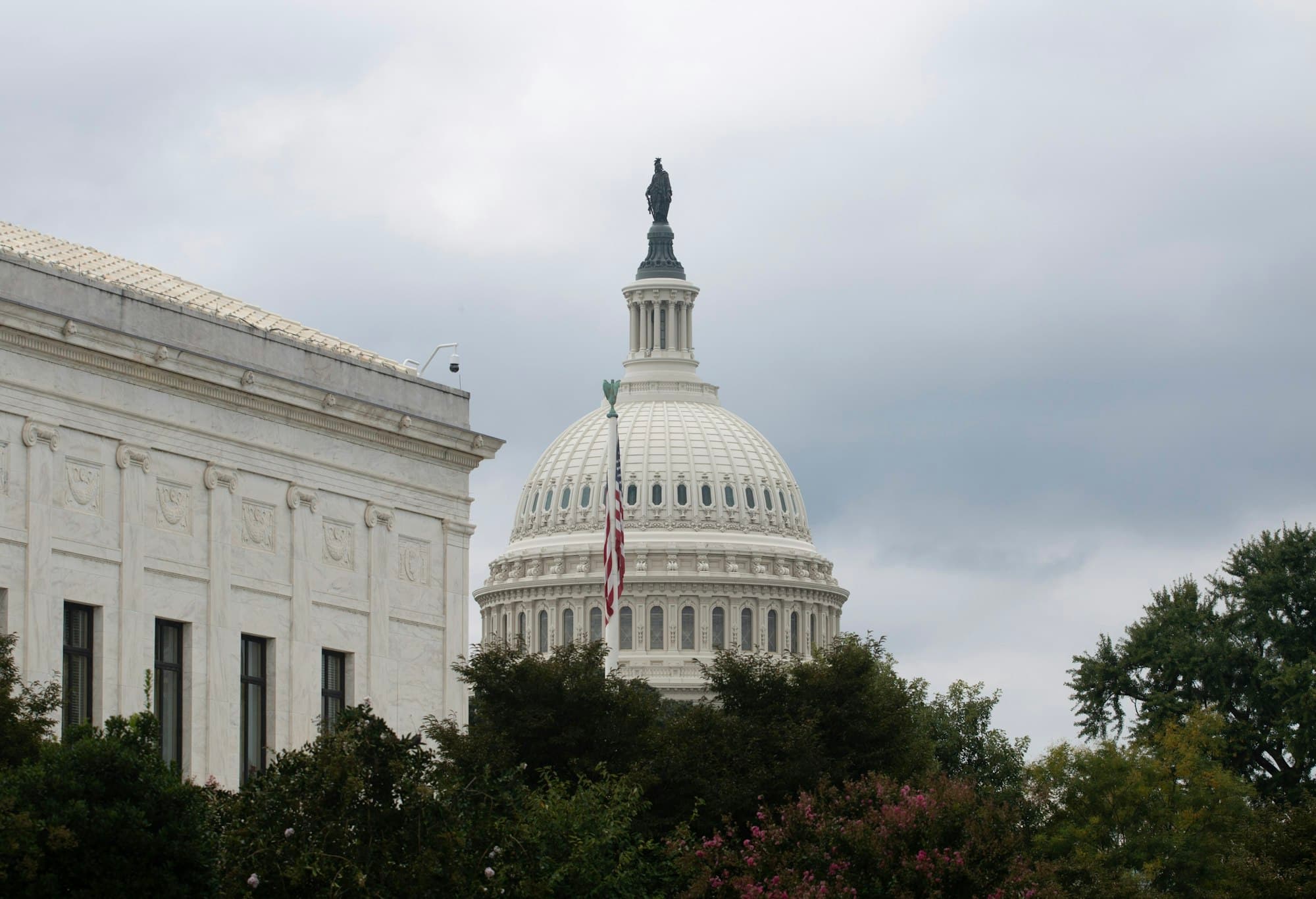
Photo: Isabella SP on Unsplash · Unsplash License
Swipe · Political News Analysis only
Swipe through Political News Analysis
Save time discovering your next favourite podcast by listening to just the best minute of an episode.
The political news analysis slate · every cover a link
All 2,507 political news analysis shows →



Next to this on the shelf
Explore by subtopic
Your guide
How Political News Analysis podcasts differ, and which to try
Some mornings you only need to know what happened. Other times you want someone to say what it meant, and to show enough working that you can decide whether to believe them. The best political analysis podcasts do that out loud: a pollster admitting what polls cannot measure, a panel revising its earlier verdict, a reporter reading out what sources texted that day. Triton figures released in August 2026 put U.S. News-category reach at 25.7% in Q2 2026, up from 23.7% in Q1. In September 2026, TheWrap reported a Magellan AI estimate of 42% growth in political-podcast ad spending in the first half of the year.
What listeners want from all that talk is contested. A Reuters Institute survey published in June 2026 found that 45% of respondents across surveyed markets preferred news without a particular viewpoint, against 22% who preferred sources sharing theirs. Much of this field is openly opinionated anyway. The useful question is what kind of work a show does.
The day, sorted

Daily shows earn their place by triage. Way Too Early with Ali Vitali frames its rundown as questions. In Trump again suggests deal with Iran is near (April 17, 2026), it asks why Democrats are pursuing "what would be a long shot effort" to impeach Defense Secretary Pete Hegseth.

The NPR Politics Podcast slows down to explain the machinery. In Why Democrats have little leverage to reform ICE (April 17, 2026), a reporter walks listeners through annual appropriations, which turns a funding standoff into a story about oversight. In Democrats’ long-shot bid to flip Alaska’s Senate seat (March 24, 2026), Alaska Public Media's Liz Ruskin is asked about ranked choice voting and answers, "I have spent years explaining this."

Washington in Focus brings a point of view to Washington state. Washington In Focus Daily | 4.17.26 | Income Tax Debate, Ballot Box Mystery & Property Right Lawsuit argues that legislators comparing the state's income tax with Idaho's left out Idaho's flat, lowered rate. Dailies age fast, so check the dates. The U.S. Politics page covers the wider field.
Same news, different readings

On April 17, 2026, two shows took up the same Axios report of a proposed Iran deal involving $20 billion. In Episode 866: Open or Closed? from The Editors (National Review), a panelist says most conservatives will ask whether this is just the Iran deal all over again. A panelist also concedes "we were all fairly down on the ceasefire" before crediting the optimistic case. On The Bulwark Podcast, Ben Rhodes: Trump Is Getting a Terrible Deal has Rhodes laying out the earlier agreement's terms, from shipping enriched uranium abroad to IAEA camera monitoring. Hearing both is a quick lesson in framing.

The Dispatch Podcast brings in a specialist. In How Far Will Trump Go in Cuba? (March 31, 2026), Latin America expert Gil Guerra is asked for the state of play and answers with a history of Cuba's blackouts. Political Gabfest, with Emily Bazelon, John Dickerson and David Plotz, is looser. What’s the Point of the Iran War? (March 5, 2026) detours early into a 19th-century tariff before a Carnegie Endowment fellow arrives. Panels wander; that is the price. The Conservative Commentary and Progressive Politics pages carry the argument further.
Polls and people
FiveThirtyEight Politics reads voters through polling. In From Here To Election Day (September 5, 2024), a panelist who calls polls "insanely valuable" says they aren't great at "measuring really, really close elections." In the undated Gen Z’s Historic Gender Gap, Mary tells host Galen she gives an event two weeks to show up in the polls: "We're at six days." On Political Gabfest, John Dickerson adds that "primary polling is a wacky thing."
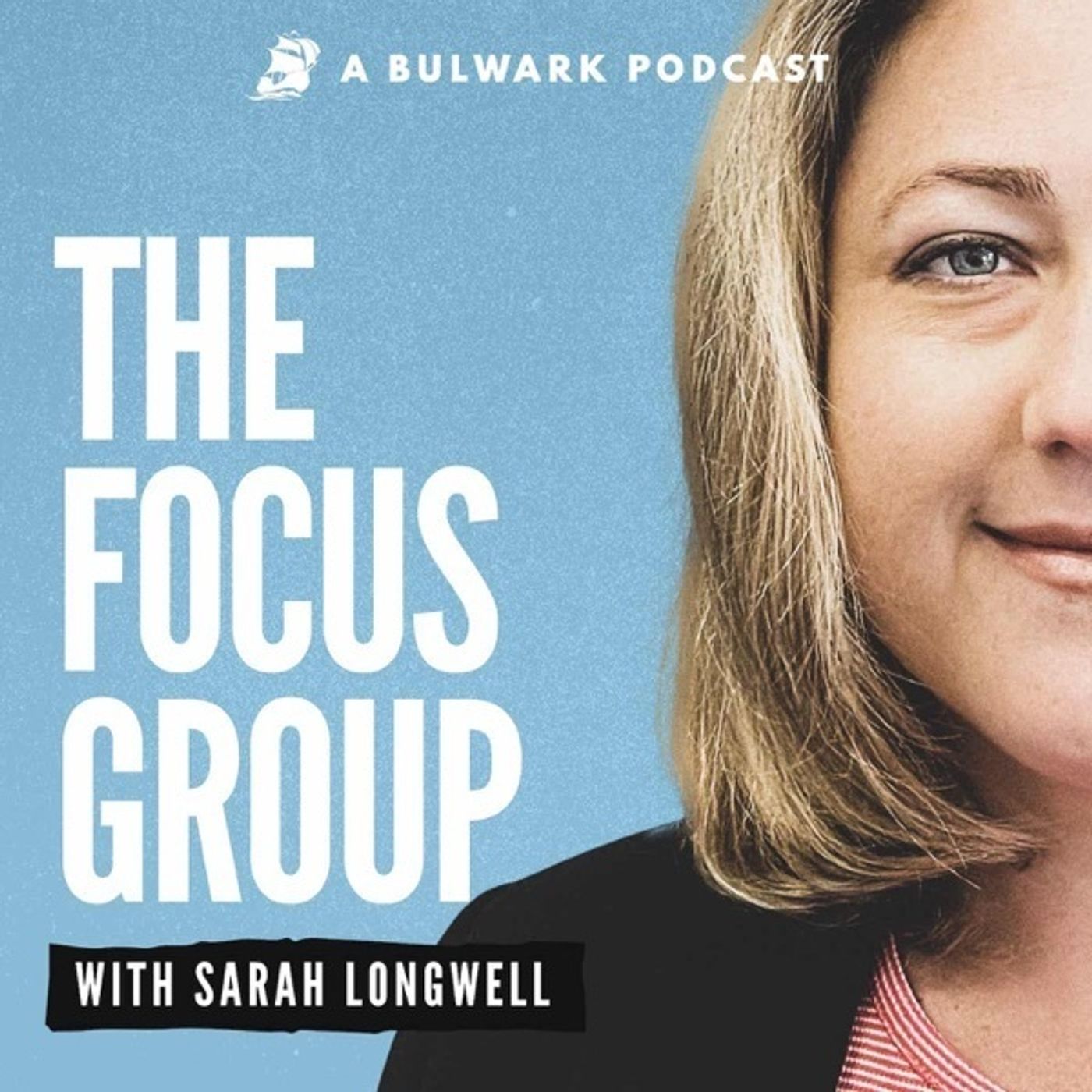
The Focus Group Podcast plays recorded voters, then discusses them. In Trump Voters Say 'Nope' to the Pope (with Jonathan V. Last) (April 18, 2026), Sarah Longwell and her guest hear a Trump-voting Catholic give Trump "an A plus" and the pope far lower. Tape like this resists tidy narratives, though a few voices are not a poll.
Beyond Washington


The Rest Is Politics lets disagreement stand. In Is Trump a Fascist and is his War with Iran Unwinnable? (April 7, 2026), Alastair Campbell and stand-in co-host Dominic Sandbrook argue openly over a Hitler comparison. The News Agents stays closer to reporting. In Did Keir Starmer “lie, lie and lie again" over Mandelson? (April 17, 2026), Jon Sopel reads out texts from senior Foreign Office sources. Both shows lead naturally to the UK & European Politics page.

In Canada, The Line pairs Matt Gurney and Jen Gerson. In Carney's China Problem, Jen's society problem (April 11, 2025), Gerson calls partisan politics "cults with guardrails." American Chaos meets Canadian Pride (September 4, 2026) brings in Bloomberg White House reporter Josh Wingrove. Wag the Doug, a monthly show about Ontario under Doug Ford, goes more local still.
History as argument
Dan Carlin's Common Sense is a solo essay, not a bulletin. In Show 324 - What's Good for the Goose (March 23, 2025, 91 minutes), Carlin traces executive power from FDR onward and warns that these powers don't leave the office when Trump does. Show 325 - Who's the Boss? (November 23, 2025, 40 minutes) builds toward the duty to refuse illegal orders by way of Nuremberg and My Lai, and it describes atrocities, including rape, without softening them. The show asks for patience and repays it with perspective.
Where to start
Try one daily show and one weekly show. Keep whichever leaves you better able to explain a story in your own words.
- For a clear daily explainer: The NPR Politics Podcast, SCOTUS hears birthright citizenship arguments.
- If you want to hear voters talk: The Focus Group Podcast, ‘All of You Could Be Democrats’ (with Anderson Clayton).
- For curious transatlantic listeners: The News Agents, Everything Trump doesn't understand about Iran.
- For an evening of slow argument: Dan Carlin's Common Sense, Show 324 - What's Good for the Goose.
Featured shows below are part of the PlayNext catalog. Updated weekly.
Featured shows
8 shows, described rather than listed
Each one comes with a short write-up and the role it plays in this guide.
A contrasting duo trades brisk, dry arguments about politics, tech, media and markets, then brings in guests for longer interviews. It suits listeners who like strong opinions and quick pivots.
Dan Carlin delivers measured, long-form solo monologues that treat political questions like one-take essays, complete with qualifications and direct appeals to listeners. It suits patient fans of reflective commentary.
Debates and guest conversations test political and social claims against evidence, consequences and tradeoffs. It suits listeners who prefer conversational disagreement that keeps pressing for clearer answers.
The Daily Beans walks through headlines, quotes or paraphrases reporting, and layers on blunt personal reaction, sometimes with a second host or featured guest. It suits listeners who want brisk, explicitly partisan news commentary.
A rotating panel tests political narratives against polling, survey wording and trend lines, using a conversational but numerate style. It suits listeners who want data to lead the discussion.
A contrasting duo argues through Canadian politics in a loose, candid style, moving from trade and constitutional issues to Alberta and B.C. It suits listeners comfortable with profanity and unscripted disagreement.
Three hosts hold an intelligent, lightly combative roundtable on politics and culture, with occasional author or public-figure interviews. It suits listeners who like dry, unhurried discussion even when the news is urgent.
A single host turns current-affairs interviews into analytical sparring, laying out premises, concessions and counterarguments before the question. It suits listeners who enjoy clause-heavy conversations with varied guests.