Topics / Internet Culture
Internet Culture Podcasts
46 shows and 6,577 episodes sit under Internet Culture.
Curated guide to internet-culture podcasts in 2026: WBUR's Endless Thread (reported narrative), Slate's ICYMI (platform commentary), infinite scroll (daily real-time tracking)
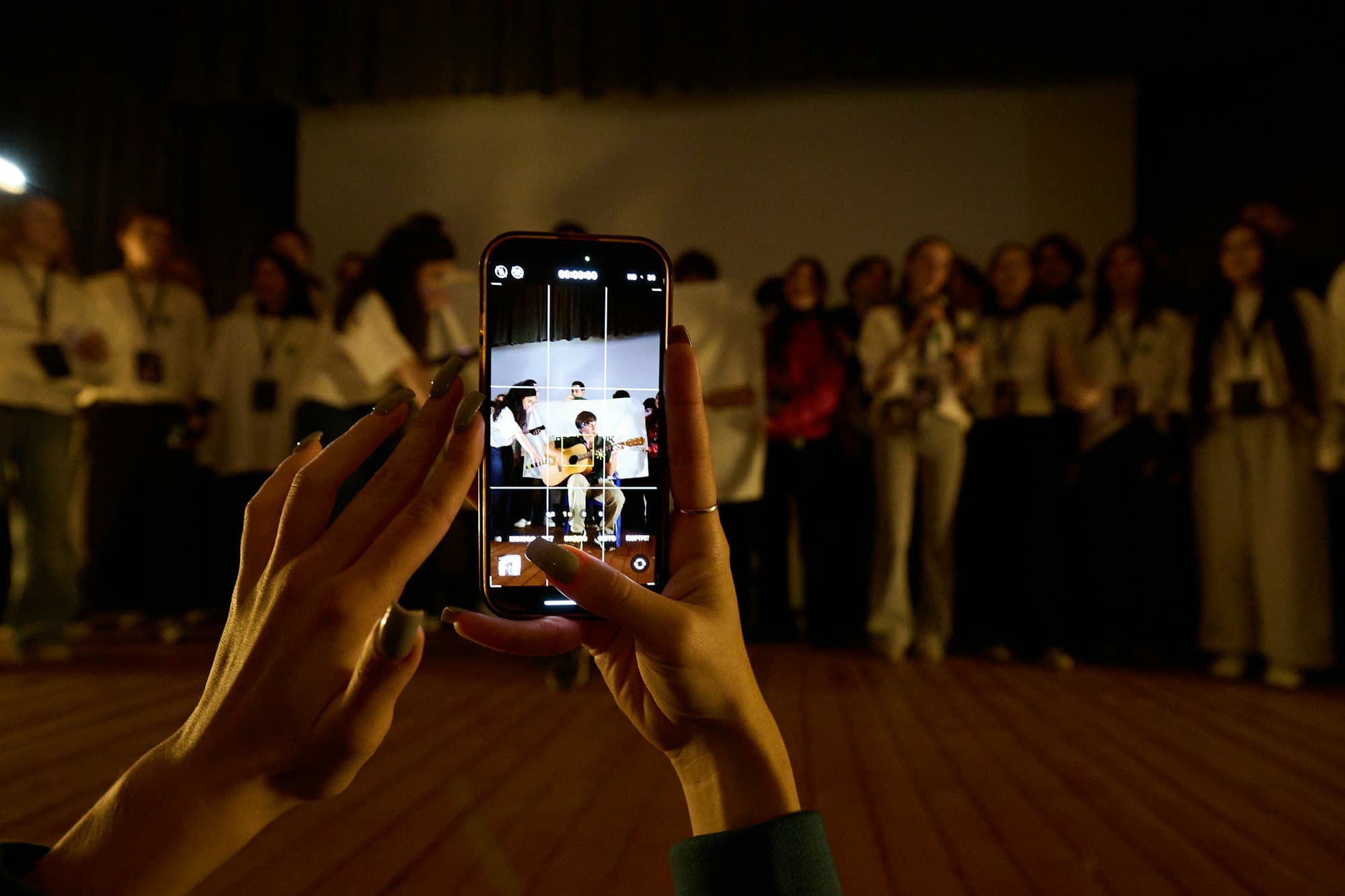
Photo: Ilya Semenov on Unsplash · Unsplash License
Swipe · Internet Culture only
Swipe through Internet Culture
Save time discovering your next favourite podcast by listening to just the best minute of an episode.
The internet culture slate · every cover a link
All 46 internet culture shows →








The guide
What you'll hear on Internet Culture podcasts
People are debating other people's parenting. A folk singer finds her photo altered by a chatbot because a stranger asked it to. Internet culture podcasts take moments like these seriously enough to ask what they mean. The best of them follow a post out of the feed, toward the person who made it, the platform that spread it and the household where it landed. The range is wide. At one end are carefully reported stories built from interviews. At the other is a host at a microphone, swearing, still processing whatever he scrolled past this week.
The arguments around these shows are about attention and trust as much as subject matter. Listeners disagree about how much airtime artificial intelligence deserves: some praise close reporting on it, others describe fatigue. People who make media argue over whether chasing short clips serves an audience or an algorithm, and over whether resisting online standards means pretending online life isn't real. Trust is now measured as well. In June 2026, Edison Research reported that 62% of weekly podcast consumers considered AI a threat to podcast credibility. Logging off has become a subject in its own right: by August 2026, The Atlantic had released a five-part series about digital disengagement.
This guide sorts the field by what you want from it: a story, a briefing, a trend report or company. Several shows would fit in two places.
Stories that leave the screen
Endless Thread, from WBUR in Boston, makes the clearest case for internet culture as reporting. In these episodes, hosts Ben Brock Johnson and Amory Sivertson start with something online and then go and find the people involved. Lost Without You features Redditors remembering houses. Scooter1021 recalls his grandparents' itty-bitty dining table, and Wayne describes a childhood summer home his dad worked overtime for years to pay off. The episode then turns to Hurricane Katrina, twenty years on, and to how Google Maps' satellite view gave one family something to do while their neighbourhood flooded: they scanned the images for a roof, hoping something was left to rebuild. The episode also asks whether GPS is weakening our sense of direction. Near the end, the hosts get lost looking for a park and ask a passing runner for help, only to learn the runner is from Canada.
The same show can also be hard listening. What it's like to be undressed by Grok without your consent carries a content warning early on that it describes non-consensual sexual situations. It then lets Iona Fyfe, a Scottish folk singer and activist in Glasgow, explain how she watched strangers ask X's chatbot to alter her photograph in early January. The episode gives her room beyond the harm, including her ballads tied to place names and the politics she describes as an anchor. A Beige New World is the lighter way in: an argument about "sad beige" children's clothing that arrives at "We are all internet now." The Documentary page goes further down this road, and Personal Stories is a neighbouring route.
Briefings from the feed
Endless Thread goes out to find a story. ICYMI and infinite scroll bring the story to the table and argue about it. ICYMI is Slate's podcast about internet culture, hosted by Kate Lindsay, and the episodes here pair her with a guest who knows one corner of the web. The show says it asks every first-time guest for their earliest internet memory, and the answers can be small gifts. In Wikipedia Is The Most Human Place On The Internet, the guest recalls a childhood journal entry about reading the entire Wikipedia article on milk. The conversation builds toward calling the site "a triumph of humanity," with examples that range from a high-school editor whose mom drove him to local history centers for sources to the reasoning behind the site's ban on AI-written articles. Are You the “Finger Princess” In Your Group Chat? stays closer to home. It sorts friends into types, such as the golden retriever who never makes the plans but never flakes. The “My Husband Hates Me” Influencer, with journalist and TikToker Melanie Hamlet, takes a sharper look at women defending their husbands in the comments. It separates a small subset of creators rage-baiting for reach from women still working out their own situations.
infinite scroll, hosted by Lauren Meisner and Annabel Bendavid, plays more like a bulletin with opinions attached. MINI SCROLL: Influencers uninvited to Coachella, Julia Fox defends Jake Shane + Euphoria premiere event discourse asks whether influencers should be doing red-carpet interviews. A host also thinks that in Australia, outlets rarely have the budget to hire them. The show is most useful on platform policy. MINI TECH SCROLL: AO3 exits beta after 17 years, OpenAI acquires tech show + Australia's youth social media ban flops walks through the regulator's first detailed report on the under-16 ban. The host's verdict is that "it hasn't been a resounding success." For the celebrity and fandom side, try the Pop Culture page. For the arguments, try Social Commentary. The Relationships page picks up where the group-chat talk leaves off.
Naming the thing

Some shows care less about the day's controversy than about the moment a habit gets a name. It's A Thing, with Molly Wood and Tom Merritt, is built around that moment. In Body Doubling - It's a Thing 413, they discuss paid sessions where someone simply works alongside you, and they realise that recording a podcast together already counts. Moon Joy - It's a Thing 414 treats the memes from the Artemis mission as "a moment of shared beauty," then reads from a CBS story about the claims made online for peptides. The Lifestyle page is a natural next stop for the wellness-trend side.
Outside the Fox: A Firefox Podcast brings the same curiosity to the tools themselves, with a plainer agenda. It comes from Firefox, and Why Firefox built a free VPN into the browser is a product explainer with guests from the Firefox team. The other episodes work better as gentle consumer gut checks. In the 18-minute Are navigation apps guiding you... or steering you?, a host who doesn't drive explains relying on rideshares, and another tells a story about using an app to find Maui food stalls and then choosing by eye. Are algorithms shaping your music taste? explores why a CD a host commits to buying feels shelf-worthy to them.
Company, with the swearing left in
Then there are hosts who live inside the internet and talk you through it. In Slop Chop!, host Harvey reacts at length and without a filter. This Fraternity Hazing Video Is INSANE | Slop Chop! is a play-by-play of footage showing police arriving at a hazing incident, with Harvey noting that he was in a fraternity himself. The jokes sometimes turn into confession. In The Worst Airline Just Declared Bankruptcy | Slop Chop! he says "everyone that posts themselves online, myself included, has the same disease." When Your Entire Movie Leaks | Slop Chop! pairs a film-leak saga with a candid account of nicotine cravings. Near the end, he advises taking a selfie mid-doomscroll to see what it does to your face.
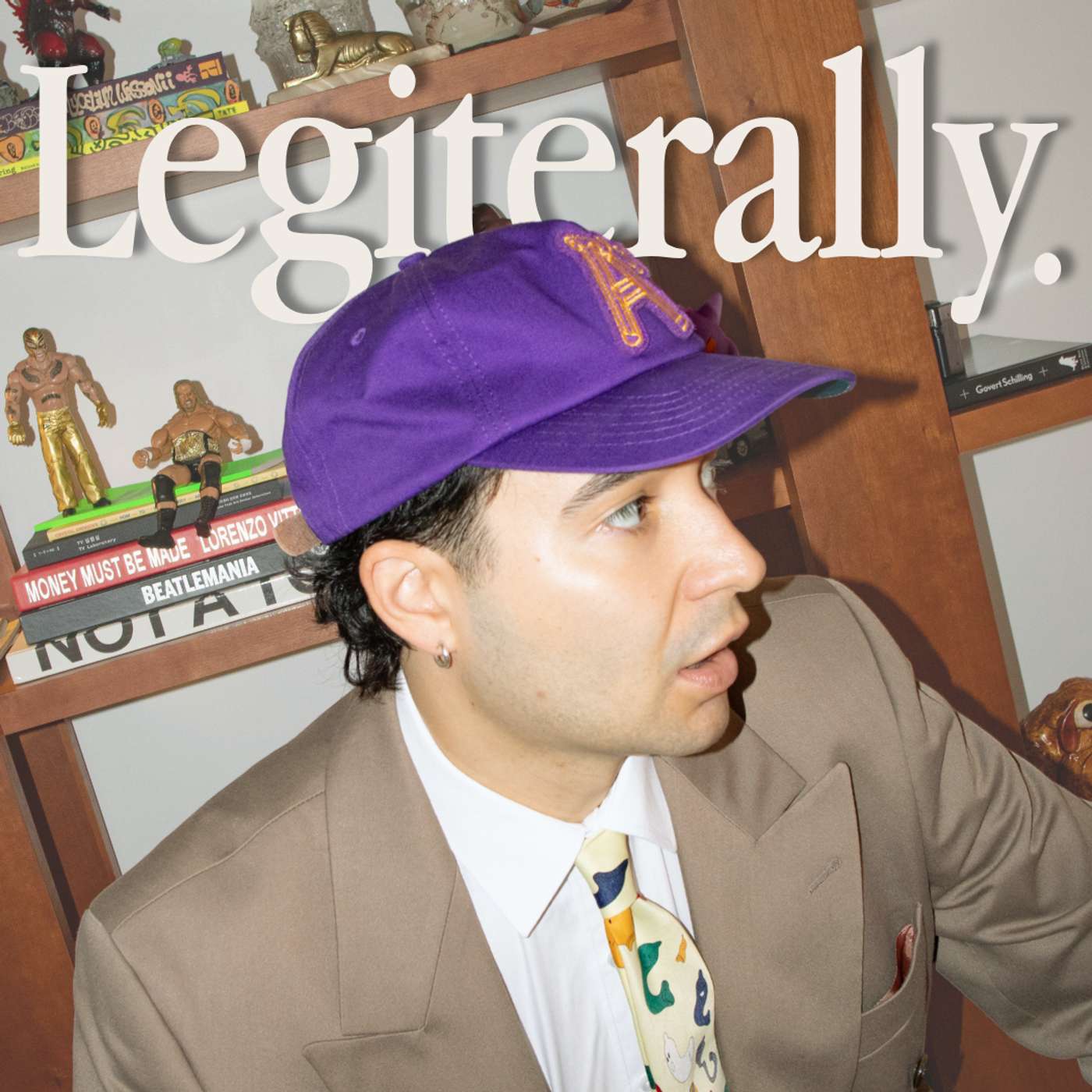
Legiterally., hosted by Sam England, is chattier. Two Thousand & Sixteen (2016) is a nostalgia session with a guest, Mick, covering Snapchat flower crowns and rating Vine's six-second format above TikTok for the creativity it forced. AFL Grand Final (LGBT Variant) mixes jokes with memories of homophobic harassment, including a glass thrown at Sam and a friend from across a street, and includes a pointed plea to football players near the end. The LGBTQ+ page is the place to continue.
The Scafachiverse Podcast sits furthest from internet culture as a beat. Anthony Scafachi and Alan Gegax are lifelong friends trading invented lore, fake sponsors and college football video game talk, and the show is explicit. It still has its moments. A segment in Anthony & Trever vs Their Livers vs Cancun takes apart "sludge content," the split-screen videos the show says are designed to hold viewers longer. Leave Your Dignity at the Door - How Alan Beat Cancer turns out to be a tender recovery story under the jokes. Alan's "spoiler alert, I lived" gives way to a careful description of pain as a barrier between wanting to move and moving. Personal Journals is a neighbouring route.
Where to start
If you want one story that stays with you: Endless Thread, Lost Without You. A map app, a hurricane and a family's search for its own roof show how personal the internet can get.
For smart talk about how the web works: ICYMI, Wikipedia Is The Most Human Place On The Internet. It is curious and affectionate, and it is good on why human editing still matters.
If you like spotting habits early: It's A Thing, Body Doubling - It's a Thing 413. Two hosts work out a trend in real time and admit where it fits their own lives.
For a practical gut check: Outside the Fox: A Firefox Podcast, Are navigation apps guiding you... or steering you? It is an easy listen that may change how you pick your next lunch spot.
If you want loud, late-night company: Slop Chop!, When Your Entire Movie Leaks | Slop Chop! Expect profanity, digressions and a host who is honest about his own scrolling.
Pick the post that has stuck with you this week, and let one of these shows tell you where it came from.
Featured shows below are part of the PlayNext catalog. Updated weekly.
Recommended clips
Start with these Internet Culture clips
The highest-scoring 60-second moments anywhere in internet culture, one per show.
Drawn from 489 playable clips across 28 shows.
New on PlayNext
Just added to Internet Culture
The newest internet culture clips in the library, one per show — ordered by when the clip was made, not when the episode came out.
5 clips, one per show, added between 2026-04-10 and 2026-09-05.
Featured shows
4 shows, described rather than listed
A short write-up for each, plus the job it does in this guide.
WBUR's two-host reported-narrative show. Treats Reddit threads, viral artifacts, and online phenomena as starting points for real journalism. Public-radio production quality; can shift to grave register cleanly when material demands.
Slate's internet-culture commentary show. Internet-native vocabulary, guided-interview format, wide tonal range from affectionate to exasperated. Honest about its complicity in the attention economy it covers.
Daily mini-scroll episodes tracking influencer drama, platform policy shifts, and creator-economy news in real time. Coverage density over depth; pairs well with longer-form shows.
Panel show with a low-filter, friends-telling-stories register. Covers online-community dynamics and personal anecdotes through blunt humor and barroom logic. Sincerity allowed in short bursts before being undercut.
Where to start
4 routes in, one per reader
*Algospeak* (January 2026) is the entry — covers how content creators speak around platform moderation systems. Pairs with *What it's like to be undressed by Grok without your consent* (March 2026) for the AI-harm angle.
*Wikipedia Is The Most Human Place On The Internet* (April 2026) is the gentler entry. *The AI Book Scandal Rocking Publishing* (April 2026) if you want higher stakes.
The tech-mini-scroll episodes are the entry: *the viral Sam Altman exposé* (April 2026) and *Australia's youth social media ban flops* (April 2026) are recent and representative.
Start anywhere — episode coherence is low-dependency. Voice and register are consistent throughout.
Glossary
Words hosts use without explaining
The practice of content creators substituting coded or euphemistic language for words likely to trigger platform moderation — 'unalive' for suicide, invented spellings for brand names. Documented in Endless Thread's January 2026 episode of the same name.
Internet slang for a person whose behavior is entertaining to online observers — someone who reliably reacts with outrage, drama, or absurdity when provoked. Used analytically in internet-culture commentary to describe parasocial dynamics.
A category of internet-harm incident in which AI-generated imagery swaps a real person's face into compromising content without consent. Adjacent to nonconsensual-imagery law, which varies substantially by jurisdiction as of mid-2026.
Episode format used by infinite scroll: short (under 10 minutes), high-cadence, organized around one or two current news items from influencer or platform beats. Designed for daily consumption alongside longer-form commentary shows.
Informal term for the cognitive effect of sustained low-quality or algorithmically optimized content consumption — used self-referentially by internet-culture shows to describe their own subject matter.
The emerging norm on social media platforms whereby audiences, journalists, and other creators publicly hold influencers accountable for past statements, brand deals, or alleged misconduct. Covered analytically in ICYMI and infinite scroll.