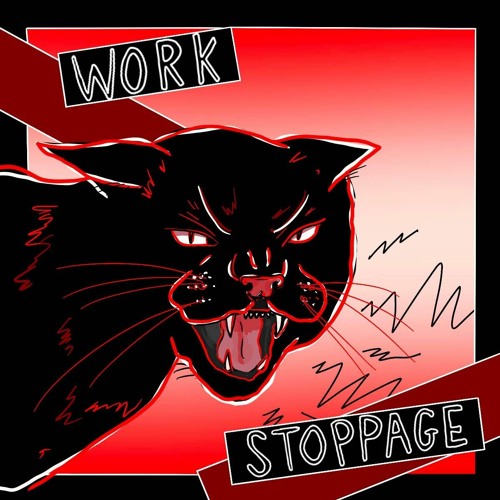
Work Stoppage is a labor news show with a revolutionary class instinct and a fast conversational engine. It is not tidy. That is part of the point. Episodes can open with cartoons, inside jokes, or a loose aside, then pivot hard into Waffle House wages, rank-and-file union reform, ICE raids, a charter school strike, or U.S. foreign policy. The show’s center of gravity is always labor. Headlines become questions about who has power, who gets paid, who gets evicted, who gets deported, and who is expected to stay quiet at work. Recent interviews with workers connected to the IBEW and a charter school put organizing practice in the foreground. The show gives space to the granular stuff: caucus building, local chapters, contract fights, coworker politics, and the difficulty of solidarity in workplaces shaped by fear and bad ideas. It can be funny. It can also get furious quickly. Work Stoppage is especially strong when it refuses to separate domestic labor struggles from international politics. Anti-ICE organizing, anti-war protest, Venezuela, Iran, and broader imperial power all sit inside the same frame as strikes and union democracy. The show is openly skeptical of bosses, landlords, corporate executives, and political actors who redirect working-class anger away from structural conflict. It also keeps returning to a practical question: how do workers organize with the coworkers they actually have? That gives the show a grounded quality even when the rhetoric runs hot. It is not detached analysis from above. It feels closer to a meeting after the meeting, where people are still arguing, clarifying, laughing, and trying to sharpen the line. Listeners looking for neutral labor headlines may find it too partisan. Listeners who want labor coverage with a point of view will find a clear one. Work Stoppage is for people who see unions as fighting organizations, not service desks. It treats solidarity as something built through conflict, not a slogan left at the end of an episode.