Digital inheritance becomes an access problem long before anyone expects it.
Digital inheritance is the kind of estate problem that stays hidden until accounts remain online and an executor is left sorting through scattered access.
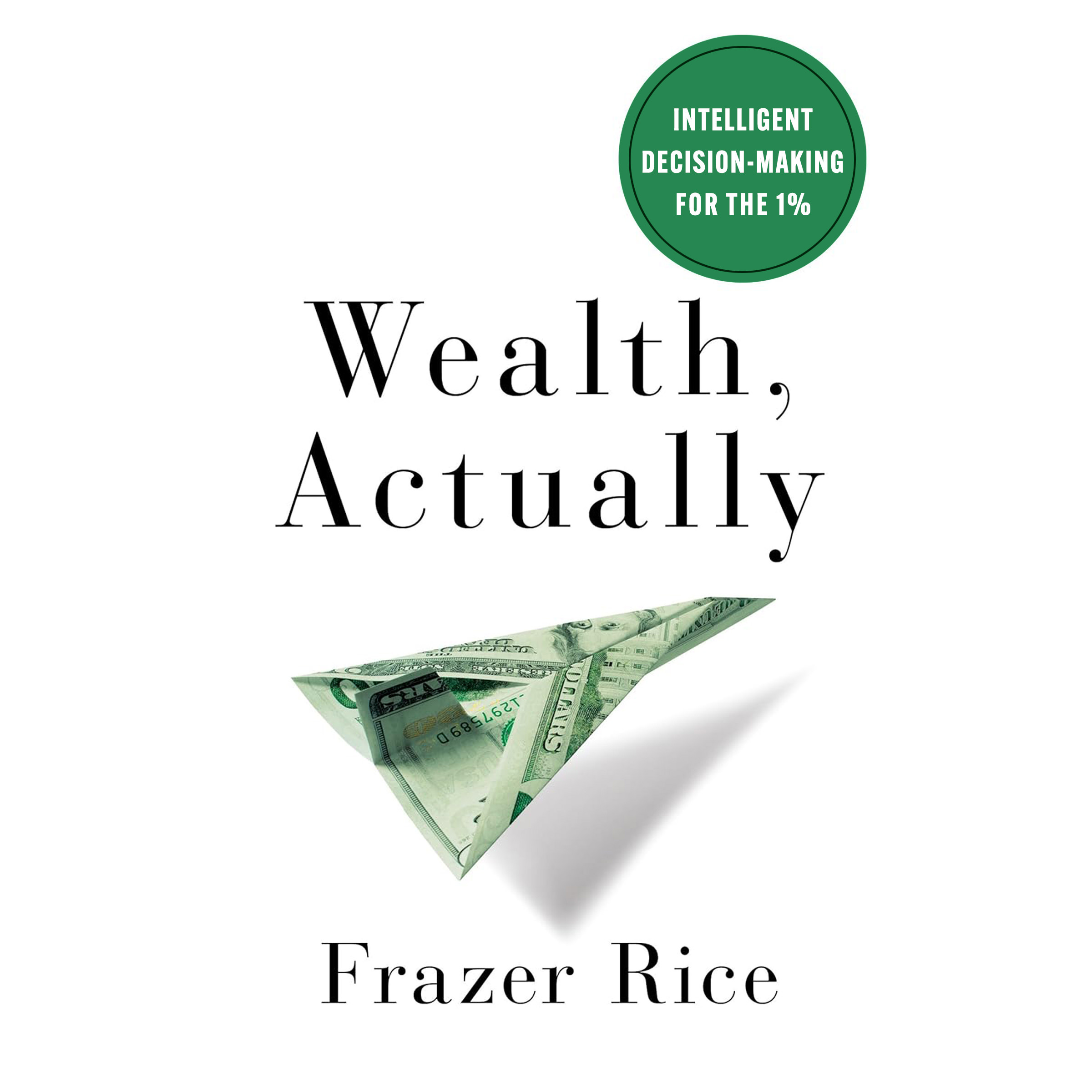
Practical risk maps for complicated wealth.
Wealth Actually treats money as an operating problem, not a lifestyle accessory. Through measured interviews, Fraser Rice and guests translate estate planning, founder tax strategy, fiduciary risk, workplace litigation, health advisory, and residency options into concrete consequences.
PRESS PLAY
Wealth Actually examines the practical problems that gather around business ownership, large estates, tax planning, family governance, and personal risk. It is not a show about wealth as aspiration. It is about wealth as a set of systems that can fail if nobody has planned for the awkward details. Recent episodes make that clear quickly. Digital estate planning turns into a discussion of Coinbase accounts, email access, locked phones, domain names, legacy contacts, and the hard job an executor may face after someone dies. QSBS conversations focus on founders, rollover windows, trust planning strategies, cap tables, eligible businesses, and the cost of missing administrative deadlines. Family office episodes treat the subject as infrastructure: staffing, compensation, governance, next-generation involvement, and the point at which complexity outgrows informal arrangements. The show also stretches beyond conventional finance. Health becomes an asset-management issue when high net worth families need help organizing and steering complicated care. Residency and citizenship options are discussed less as escapism than as contingency planning for people who want lawful options in uncertain political conditions. Workplace gaslighting and corporate discrimination appear through Julia Carrion's litigation and book, bringing the wealth and business conversation into boardroom power dynamics. Trusteeship gets similar treatment. The trustee shortage is framed as an active pressure point, tied to turnover, talent gaps, unclear business models, and fiduciary litigation risk. Fraser Rice generally lets guests carry the substance while he narrows the question and translates specialist language into plain consequences. The show's best moments come when a technical rule is connected to a lived headache: a bank delay, a disabled security setting, a family member across state lines, or a business idea that may not fit a tax statute. It assumes the audience is intelligent but not necessarily inside every specialty. That makes it useful for founders, advisors, trustees, family office professionals, and affluent families who need to understand where tax, medical, and administrative systems intersect. The tone is measured, sometimes grave, and occasionally dry. It avoids hype. Its value is in showing how small planning gaps can become expensive, time-consuming problems.
Made for: For founders, advisors, trustees, family office professionals, and affluent families dealing with complex planning decisions. It also suits listeners who want tax, health, and governance issues translated into operational consequences.
What sets it apart: Wealth Actually stands out by treating private wealth as a practical systems problem. Its interviews move patiently from specialist rules to the real administrative failures those rules are meant to prevent.
Covering the issues that affect business, entrepreneurship, wealth, trusteeship and culture.
Fraser Rice turns wealth's awkward edge cases into the questions you forgot to ask.
Press play if you want
Short reviews from the PlayNext desk, based on the episodes we processed.
Digital inheritance becomes an access problem long before anyone expects it.
Digital inheritance is the kind of estate problem that stays hidden until accounts remain online and an executor is left sorting through scattered access.
A practical guide for founders working through QSBS rollovers, with the 60-day window front and center.
QSBS rollovers are framed here as a narrow founder-liquidity problem, with tax timing and entity rules doing most of the work. Brady Weller keeps it practical, showing why the right attorneys and CPAs get pulled in and why the 60-day window matters so much.
A business-minded look at music, where taste, risk, and ownership all matter.
The episode keeps its focus on Blake Morgan and Fraser Rice as they map the music business through the state of the industry, the rise of AI, and the appeal of idiosyncrasy.
A practical look at family office security through risk, access, due diligence, and preparation.
Family office security is framed here as a process problem before it is a crisis problem. The category can mean different things from one household to another, so the episode starts in the right place: with how risk is defined before trouble arrives.

Labor politics after the shift ends.

Odd questions, followed patiently down to the incentives.




On Wealth Actually, Arch co-founder and CEO Ryan Eisenman explains how the platform organizes alternative-investment information for clients with dozens or thousands of positions.
Jay Judas says PPLI generally suits wealth owners do not expect to touch again, rather than a preset 25% or 50% portfolio allocation.
Wealth Actually interviews Meb Faber of Cambria Asset Management about his book Investing in America: The Rise of a 250-Year Bull Market.
Paul Edelman tells host Fraser that succession authority shows up in three signals: whom executives go to for real decisions, whether a successor's decisions get reversed, and who "owns the crisis" in a covenant breach, key departure or lawsuit.
Digital accounts do not die quietly.
Brady Weller joins Fraser Rice to unpack QSBS rollovers.
This episode explores how high net worth individuals can approach health as an asset class, comparing concierge medicine with the broader health advisory services offered by Wellworth.
This episode features Julia Carrion discussing her high-profile lawsuit against Wells Fargo and exploring gaslighting and the corporate glass ceiling in the workplace.
This episode discusses the trustee crisis, including the shortage of qualified trustees, challenges in the industry, and implications for estate planning and wealth transfer.
An interview with a tax attorney explaining Qualified Small Business Stock (QSBS) and its tax benefits for startup founders.
An interview with a citizenship and residency expert discussing options for US citizens seeking second residencies or citizenships as a hedge against political and economic uncertainty.
Fraser Rice and Mark Tepsek discuss common myths about family offices and how to design and govern them effectively.
Fraser Rice interviews Mike Monahan about launching the Founders ETF, discussing the process, advantages of ETFs, and the strategy behind founder-led company investing.
An interview with Brooke Summerhill about her book on financial planning for wealthy women going through divorce.
Fraser Rice sits down with Blake Morgan for a conversation about the music business.
Wealth Actually host Fraser Rice interviews Eddie Marshall, CEO of Pressage Global, about security risks created by lean family-office operations, trusted relationships, and enterprise-level wealth.
Host Fraser Rice interviews Nick Majulian about his new book 'The Wealth Ladder,' which discusses how financial strategies must evolve as one accumulates wealth.
An interview with an estate planning attorney about building a profitable law firm and advising clients on asset preservation.
An interview with Adam Smith about the role of a chief investment officer in family offices and the challenges of alignment with family goals.
Host Fraser Rice interviews CFP and columnist Beth Pinsker about her book 'My Mother's Money,' which provides financial guidance for caregivers dealing with aging parents.
This episode discusses estate planning lessons from Gene Hackman's complicated estate, featuring expert insights from a partner at Venable.
This episode discusses the impact of 2024 UK non-DOM rule changes on US citizens living in the UK, with tax lawyer Alex Jones explaining how the UK taxes Americans.
An interview with a trust and estates lawyer discussing common mistakes in estate planning and how to avoid them.
Fraser Rice interviews Tim Plunkett about best practices for family offices integrating artificial intelligence, covering governance, risk, and compliance.
Host Fraser Rice interviews Barry Riddle about his new book on avoiding bad investing decisions amid Trump tariff chaos.
Interview with civics professor Lindsay Cormack about the lack of civics education in schools and its impact on political discourse.
Host Fraser Rice interviews Nicole Gelinas about congestion pricing in New York City and its implications for urban planning and wealth.
An interview with former IRS Commissioner Chuck Reddick discussing IRS operations, tax planning, and how to navigate tax controversies.
Host Fraser Rice discusses with Brad Mindich how to organize and monetize physical assets within family legacies.
An interview with Joel Schoenmayer about the estate settlement process, covering wills, trusts, and asset distribution.
Host Fraser Rice interviews Dr.
This episode explores how EXT Marketing provides specialized marketing services for financial institutions like RIAs, focusing on the unique challenges and opportunities in financial communication.
This episode features an interview with author Megan Gorman about her book 'All the President's Money', which explores how U.S.
This episode features an interview with Christian Broyhill about the intersection of wealth and mental health, focusing on advising wealthy families and family businesses to prevent wealth destruction through mental well-being.
This episode explores how directed trustees can help wealth advisors and RIAs with estate planning and asset preservation, featuring Christopher Holtby of Wealth Advisors Trust Company.
Fraser Rice interviews veteran diplomat Richard Haass about global geopolitical hotspots, focusing on the Middle East and Israel-Gaza conflict, with insights from his book 'The Bill of Obligations' and analysis of the 2024 U.S.