Betrayal, shock, and the slow work of thawing out.
Lisa Angelini's story traces a relationship that seemed to point toward a real future, then shifts into the ache of withheld truth and a second betrayal uncovered later.
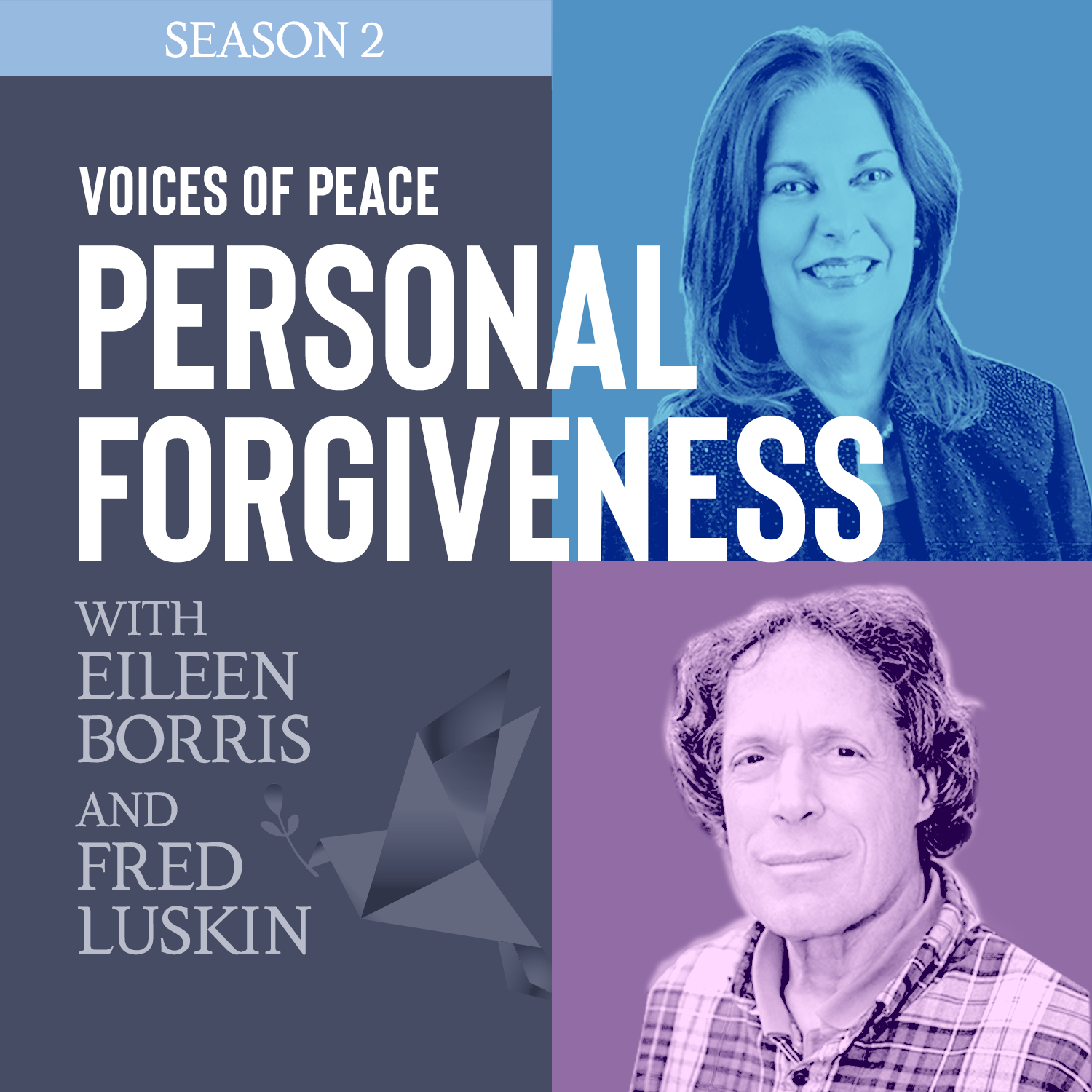
Dr. Eileen Borris
21 episodes listed below
Forgiveness as healing, practice, and peace work.
Voices of Peace: Personal Forgiveness treats forgiveness as both private repair and public peace work. Through patient conversations with guests, experts, diplomats, and trainers, it asks how people loosen anger without denying harm.
PRESS PLAY
Voices of Peace: Personal Forgiveness is an interview series built around one demanding idea: forgiveness matters in private life and in the public work of peace. The tone is patient. Episodes do not treat pain as a setup for an easy lesson. A conversation may begin with heartbreak, betrayal, and shock to the nervous system, then slowly turn toward what it means to thaw out and choose differently. Another follows the anger and collapse that followed 9/11, including the painful recognition that self-forgiveness can be part of recovery. The show is comfortable staying with unfinished emotions. It lets guests describe revenge, depression, self-blame, and grief without making those states the whole story. From there, it widens the frame. Forgiveness becomes a skill, a discipline, a form of trauma healing, and a tool for reconciliation in communities marked by conflict. The series brings in people connected to Femininza International, Forgiveness International, Beyond Conflict, and the United Nations. It also reaches into neuroscience, restorative justice, diplomacy, women's development, and the culture of peace. The show’s strength is the way it keeps moving between the personal and the political. A broken relationship can lead to a discussion of grace. A discussion of guerrilla negotiations can return to accumulated anger and the desire for revenge. That movement gives the series its shape. It is reflective, earnest, and sometimes repetitive in the way serious conversations can be when they are trying to make an idea fully understood. Listeners looking for quick inspiration may find it slow. Listeners who want careful moral conversation will find substance. Voices of Peace: Personal Forgiveness treats healing as work that begins inside a person and may extend into families, communities, and societies.
Made for: For listeners interested in trauma recovery, spiritual growth, reconciliation, and the emotional work behind peacebuilding. It especially suits people who prefer measured, compassionate interviews over quick self-help answers.
What sets it apart: The show connects personal forgiveness to political forgiveness without flattening either one. Its interviews move from lived pain to social repair, using guests’ stories to make forgiveness practical, psychological, and civic.
Welcome to a podcast of hope and bridging the divide, where forgiveness and political forgiveness intersect to create a better world. Your host, Eileen Borris, will take you on an incredible journey down the path of forgiveness. In this monthly podcast guests will include people from countries that have experienced genocide, violence, or civil war. They’ll be talking about how forgiveness changed their lives and why it is especially important for political stability and reconciliation. Other guests will be experts in the field, sharing their knowledge and insight, speaking to the power of forgiveness in the healing of individuals, ou...
Based on 5 episodes we listened to · September 2026
Personal testimony, psychology and peace work meet in careful conversations about what forgiveness requires in practice.
Voices of Peace: Personal Forgiveness keeps returning to a demanding question: how does forgiveness move from an admirable idea into lived practice? Eileen Boris works through it in interviews that connect private injury with public conflict.
Forgiveness gets an fMRI and a diplomatic passport before it reaches your very human grudge.
Press play if you want
Short reviews from the PlayNext desk, based on the episodes we processed.
Betrayal, shock, and the slow work of thawing out.
Lisa Angelini's story traces a relationship that seemed to point toward a real future, then shifts into the ache of withheld truth and a second betrayal uncovered later.
A plainspoken account of anger, self-blame, and forgiveness.
Shedding the Victim Story follows Lyndon Harris as he works through the hard lesson of forgiving himself for not being perfect, after living with the impossible expectation that an Episcopal priest could not make a mistake.
Forgiveness is treated here as public work, with peace tied to justice and community life.
Ambassador Chaudhry’s talk with Aileen Boris treats forgiveness as a public habit, not just a private feeling. He links peace to more than the absence of conflict, tying it to the end of discrimination, prejudice, injustice, and inequality.
Forgiveness is treated as a bodily, political, and neurological practice.
Aileen Boris presents forgiveness as something that starts in identity and emotion before widening into politics, while Tim Phillips gives that idea a broader frame through work tied to Beyond Conflict and peace efforts in Northern Ireland, El Salvador, and South Africa, along…
Forgiveness is presented as a teachable practice with real social use.
The episode pushes back on the idea that time heals all wounds and settles into a steady discussion of forgiveness and political forgiveness between Eileen Boris and Lauren Toussaint.



Prayer, presence, and lighter living.


Mark Goodman, founder of 70 Times 7 Path to Forgiveness, describes growing up in Detroit with alcoholic parents and a father who beat his three older brothers and sexually abused him.
Voices of Peace starts its second season with Fred Luskin as co-host.
The season opens around personal forgiveness in daily life.
A conversation about the role of forgiveness in personal healing and political reconciliation, featuring experts from Femininza and participants from conflict zones.
Mary Noble shares her personal journey of forgiveness after her husband left her, leading to her work in political forgiveness and gender equality.
Three board members of Forgiveness International share stories about teaching the Asperi forgiveness methodology and how it has changed lives.
Ambassador Chaudhry talks with Aileen Boris about forgiveness as both a political and social practice.
Aileen Boris opens by tying forgiveness to identity and emotional life.
Father Leonel Nevarez discusses his work in peace negotiations between the Colombian government and FARC guerrillas, and his development of the Asfari methodology for forgiveness and reconciliation.
Host Eileen Boris interviews Libby Hoffman about her work in Sierra Leone using forgiveness and community-based reconciliation to heal post-war trauma.
Host Aileen Boris introduces guest Mary Noble, who shares her personal journey to forgiveness work and discusses its role in healing post-election violence in Kenya.
Host Eileen Borris interviews Julia Rogue about her work in narrative engagement and bridge building for pro-democracy movements, touching on forgiveness and social justice.
Eileen Boris opens by pushing back on the old comfort that time heals all wounds.